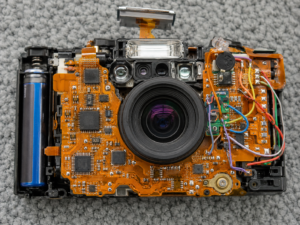
Surface Mount Electronic Components Have Become The Standard Choice For Modern Electronics Because They Reduce PCB Size, Improve Manufacturing Efficiency, And Support High-Speed Automated Assembly.
What Are Surface Mount Electronic Components?
Surface Mount Electronic Components Are Electronic Parts Designed To Be Mounted Directly Onto The Surface Of A Printed Circuit Board (PCB) Without Passing Leads Through Holes.
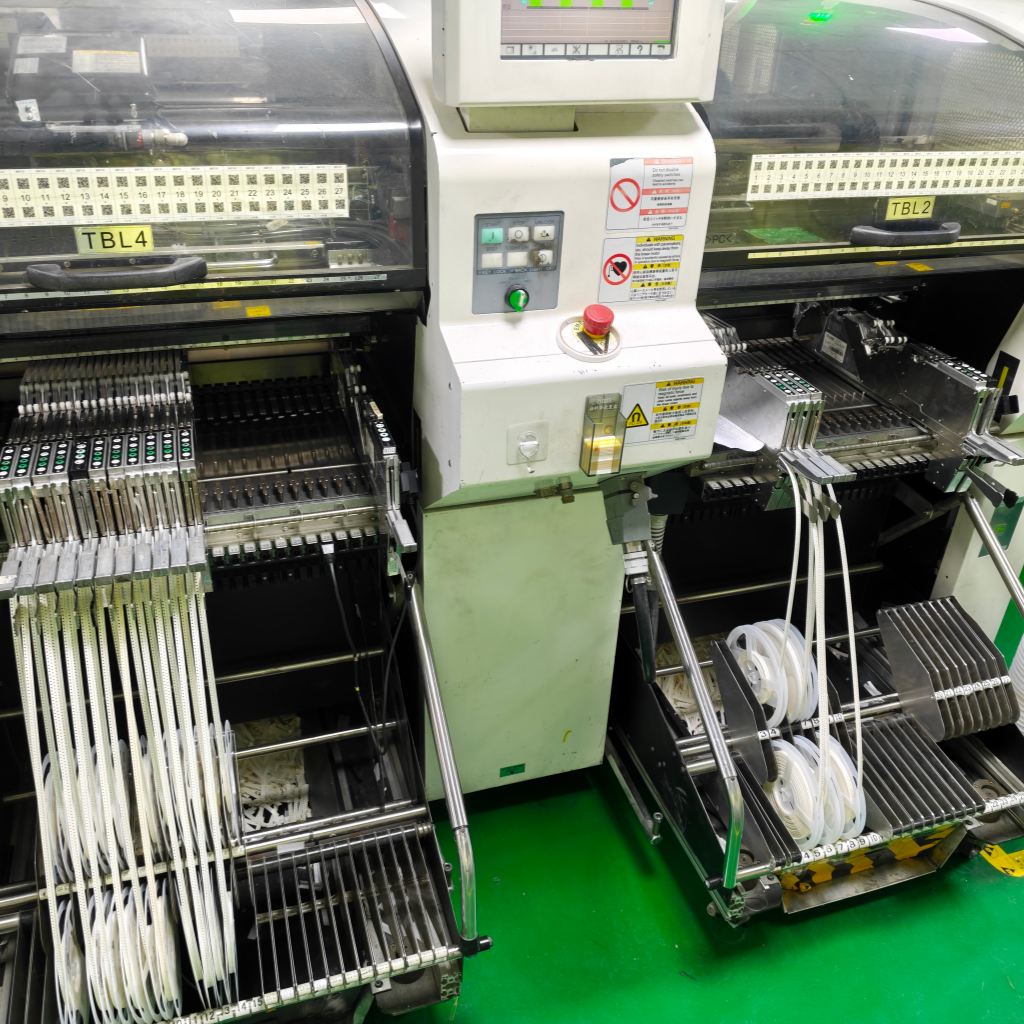
This Technology Is Known As Surface Mount Technology (SMT). Today, More Than 90% Of Commercial Electronic Products Use SMT Assembly Due To Its High Production Speed And Compact Design Benefits.
Common Examples Include:
- SMD Resistors
- SMD Capacitors
- SMD Inductors
- SMD Diodes
- SMD Transistors
- SMD IC Chips
- SMD LEDs
- SMD Connectors
Why Are Surface Mount Electronic Components So Popular?
Compared With Traditional Through-Hole Components, SMD Devices Offer Significant Advantages.
| Feature | Surface Mount Components | Through-Hole Components |
|---|---|---|
| PCB Space Usage | Excellent | Moderate |
| Assembly Speed | Very Fast | Slow |
| Automation Compatibility | High | Limited |
| Manufacturing Cost | Lower At Scale | Higher |
| High-Frequency Performance | Better | Moderate |
| Product Miniaturization | Excellent | Limited |
The Ability To Place Components On Both Sides Of A PCB Allows Designers To Build More Powerful Products In Smaller Spaces.
Most Common Types Of Surface Mount Electronic Components
SMD Resistors
SMD Resistors Control Current Flow And Voltage Levels.
Popular Packages:
- 0201
- 0402
- 0603
- 0805
- 1206
0603 And 0805 Remain The Most Common Choices For Consumer Electronics Due To Their Balance Between Size And Manufacturability.
SMD Capacitors
Capacitors Store Electrical Energy And Filter Noise.
Common Types Include:
- Ceramic Capacitors
- Tantalum Capacitors
- Electrolytic Capacitors
MLCC (Multi-Layer Ceramic Capacitor) Technology Dominates Modern PCB Designs.
SMD Inductors
Inductors Are Frequently Used In:
- Power Supplies
- DC-DC Converters
- RF Circuits
- EMI Filtering
SMD Integrated Circuits
IC Packages Include:
- SOIC
- QFP
- QFN
- BGA
- LGA
BGA Packages Enable High-Pin-Count Devices Such As CPUs, FPGAs, And AI Accelerators.
How To Read SMD Component Package Sizes
Many Beginners Struggle To Understand Package Codes.
| Package | Metric Size (mm) |
|---|---|
| 0201 | 0.6 × 0.3 |
| 0402 | 1.0 × 0.5 |
| 0603 | 1.6 × 0.8 |
| 0805 | 2.0 × 1.25 |
| 1206 | 3.2 × 1.6 |
Smaller Packages Save Space But Increase Assembly Difficulty And Inspection Requirements.
How To Identify Unknown SMD Components
One Of The Most Overlooked Topics In Existing Guides Is Component Identification.
Methods Include:
- Reading Laser Marking Codes
- Checking PCB BOM Files
- Using SMD Code Databases
- Reviewing Manufacturer Datasheets
- Measuring Electrical Characteristics
Many SMD Transistors And Diodes Use Two- Or Three-Character Markings That Do Not Directly Match Their Part Numbers.
Are Smaller SMD Components Always Better?
Not Necessarily.
While Smaller Packages Increase Circuit Density, They Can Introduce:
- Higher Manufacturing Complexity
- More Difficult Rework
- Increased Inspection Cost
- Reduced Mechanical Strength
For Most Industrial Products, 0603 And 0805 Packages Offer The Best Balance Between Reliability And Cost.
Can Surface Mount Electronic Components Handle High Power?
Many Designers Assume SMD Components Are Only Suitable For Low-Power Applications.
Modern Power Electronics Frequently Use:
- Power MOSFETs
- Power Inductors
- Power Resistors
- High-Current Connectors
Large SMD Packages Can Handle Significant Current And Thermal Loads When Proper PCB Thermal Design Is Implemented.
How Do SMD Components Affect Heat Dissipation?
Package Selection Directly Influences Thermal Performance.
Key Factors Include:
- Copper Area
- Thermal Vias
- PCB Layer Count
- Package Material
- Component Placement
A Poor Thermal Design Often Causes Failure Long Before The Component Reaches Its Electrical Limits.
Common Soldering Problems With SMD Components
Beginners Frequently Encounter:
Tombstoning
One Side Of The Component Lifts During Reflow.
Solder Bridging
Adjacent Pins Become Electrically Connected By Excess Solder.
Cold Solder Joints
Incomplete Wetting Creates Unreliable Connections.
Component Misalignment
Improper Placement Causes Performance Or Reliability Issues.
Most Defects Can Be Prevented Through Proper Stencil Design And Reflow Profile Optimization.
How To Choose The Right Surface Mount Electronic Components
Before Selecting Components, Consider:
- Electrical Requirements
- Package Availability
- Thermal Performance
- Supply Chain Stability
- PCB Assembly Capability
- Product Lifecycle
Choosing A Component Solely Based On Cost Often Leads To Long-Term Reliability Problems.
SMD Components Frequently Asked Questions
What Is The Difference Between SMT And SMD?
SMT Refers To The Manufacturing Process, While SMD Refers To The Actual Components Used In That Process.
Are SMD Components More Reliable?
In Most Commercial Applications, SMD Components Offer Excellent Reliability When Properly Designed And Assembled.
Which SMD Package Is Best For Beginners?
0603 And 0805 Packages Are Usually Recommended Because They Are Easier To Handle And Solder.
Can SMD Components Be Replaced Manually?
Yes. Hot Air Rework Stations And Fine-Tip Soldering Tools Are Commonly Used For Repair And Replacement.
Why Do SMD Components Have Numeric Codes?
These Codes Identify Resistance Values, Manufacturing Information, Or Component Types In Limited Package Space.
Conclusion
Surface Mount Electronic Components Are The Foundation Of Modern Electronic Manufacturing, Enabling Smaller Products, Faster Production, Better Electrical Performance, And Lower Assembly Costs. Understanding Package Sizes, Identification Methods, Thermal Considerations, And Reliability Factors Helps Engineers And Buyers Select The Right SMD Components For Long-Term Product Success.