
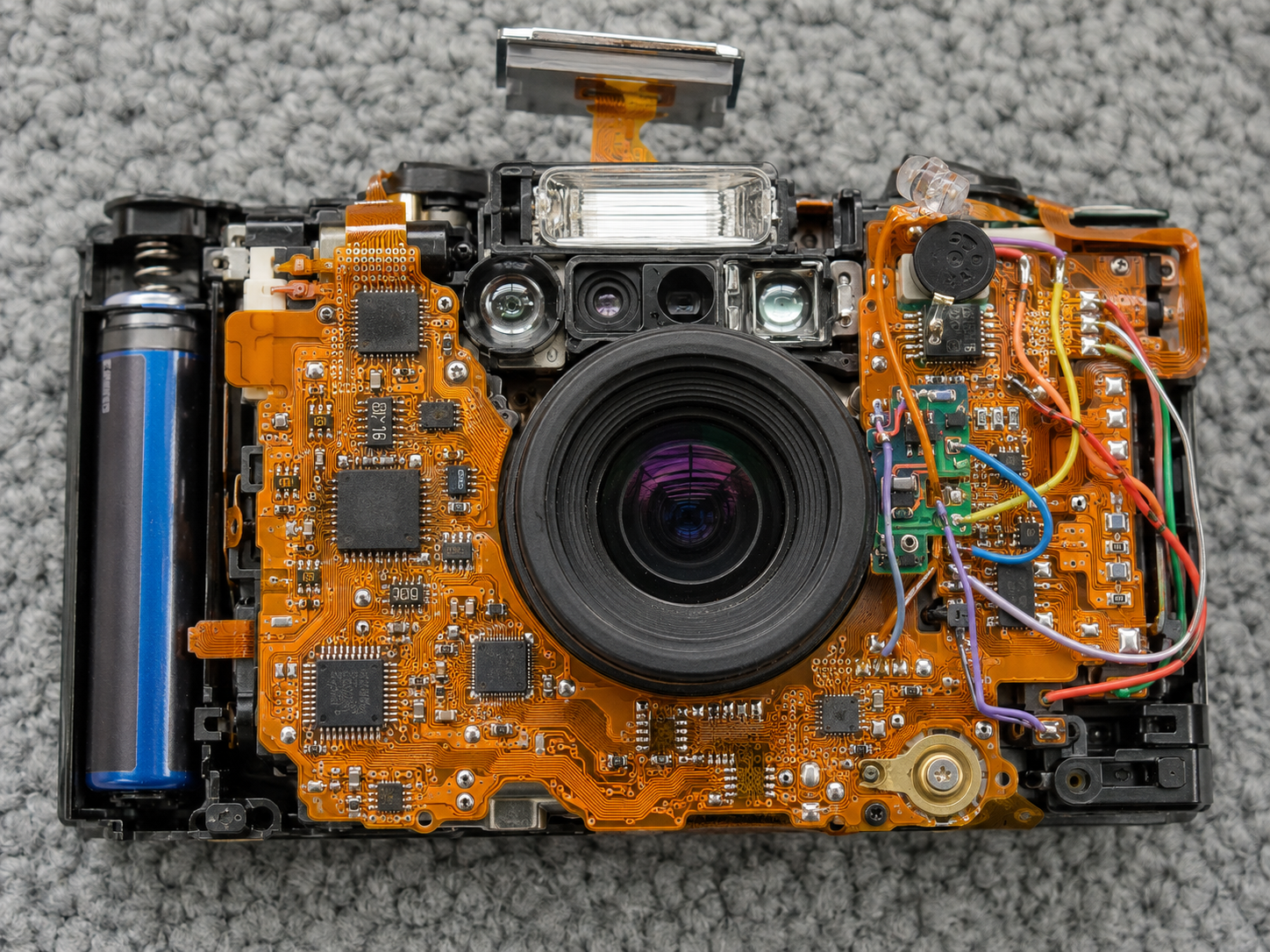
FPC PCB Technology Is The Best Solution For Products That Require Lightweight Design, Space Savings, And Repeated Flexing, Making It Essential In Modern Consumer Electronics, Medical Devices, And Automotive Systems.
What Is A FPC PCB?
A FPC PCB (Flexible Printed Circuit Board) Is A Circuit Board Manufactured On Flexible Substrates Such As Polyimide (PI) Instead Of Traditional Rigid FR4 Materials.
Unlike Conventional PCBs, Flexible Circuits Can Bend, Fold, Twist, And Fit Into Compact Spaces While Maintaining Stable Electrical Performance.
Common Names Include:
- Flexible PCB
- Flex PCB
- Flexible Printed Circuit
- FPC Circuit Board
- Flex Circuit Board
Why Is FPC PCB Technology Growing So Fast?
Electronic Devices Continue To Become Smaller And More Complex.
Compared With Traditional Rigid Boards, FPC PCB Solutions Can Reduce Weight By Up To 70% And Save Significant Installation Space In Compact Products.
Industries Driving Demand Include:
- Smartphones
- Wearable Devices
- Automotive Electronics
- Medical Equipment
- Aerospace Systems
- Industrial Automation
Structure Of A FPC PCB
A Typical Flexible PCB Contains Several Layers.
Flexible Substrate
Polyimide Is The Most Common Base Material Due To Its Excellent Heat Resistance And Mechanical Flexibility.
Copper Layer
Rolled Annealed Copper Is Often Preferred For Dynamic Flex Applications Because It Offers Better Fatigue Resistance.
Coverlay Layer
Coverlay Replaces Traditional Solder Mask And Protects Circuit Traces During Bending.
Adhesive Layer
Some Flexible Circuits Use Adhesives To Bond Materials Together, While Adhesiveless Designs Improve Reliability.
Types Of FPC PCB
Single-Sided Flexible PCB
The Simplest And Most Cost-Effective Design With One Conductive Layer.
Double-Sided Flexible PCB
Provides More Routing Options And Supports Higher Circuit Density.
Multilayer Flexible PCB
Multiple Conductive Layers Improve Functionality In Advanced Electronics.
Rigid-Flex PCB
Combines Flexible And Rigid PCB Sections Into One Integrated Assembly.
Rigid-Flex Designs Reduce Connector Count And Improve System Reliability.
FPC PCB Vs Traditional Rigid PCB
| Feature | FPC PCB | Rigid PCB |
|---|---|---|
| Flexibility | Excellent | None |
| Weight | Lightweight | Heavier |
| Space Saving | Excellent | Moderate |
| Shock Resistance | High | Moderate |
| Assembly Complexity | Lower | Higher |
| Mechanical Adaptability | Excellent | Limited |
For Products With Moving Parts Or Tight Spaces, Flexible Circuits Often Deliver Better Long-Term Performance.
How Many Times Can A FPC PCB Bend?
This Is One Of The Most Common Buyer Questions Yet Rarely Explained Clearly.
Dynamic Flex Designs Can Survive Tens Of Thousands To Millions Of Bend Cycles Depending On:
- Copper Thickness
- Bend Radius
- Material Selection
- Trace Layout
- Operating Environment
Proper Engineering Has A Greater Impact On Lifespan Than Material Cost Alone.
What Is The Minimum Bend Radius For A FPC PCB?
Improper Bending Is The Leading Cause Of Flexible Circuit Failure.
General Design Guidelines Include:
| Circuit Type | Recommended Bend Radius |
|---|---|
| Single Layer | 6 × Material Thickness |
| Double Layer | 10 × Material Thickness |
| Multilayer | 12–20 × Material Thickness |
Smaller Bend Radii Increase Mechanical Stress And Reduce Service Life.
Can A FPC PCB Carry High Current?
Many Designers Assume Flexible Circuits Are Only Suitable For Signal Transmission.
Modern Flexible PCBs Can Support Power Applications When Designed Correctly.
Important Factors Include:
- Copper Thickness
- Trace Width
- Ambient Temperature
- Thermal Dissipation Design
- Current Density Requirements
Heavy-Copper Flexible Circuits Are Increasingly Used In Electric Vehicles And Battery Management Systems.
Where Do Most FPC PCB Failures Occur?
Most Failures Occur In Mechanical Transition Areas Rather Than Circuit Traces.
Common Failure Locations Include:
- Bend Zones
- Connector Interfaces
- Solder Joints
- Sharp Corners
- Rigid-To-Flex Transitions
Proper Stress Relief Design Significantly Improves Reliability.
How Does FPC PCB Reduce Manufacturing Costs?
Although Flexible Circuits Often Cost More Per Unit Area Than Rigid Boards, They Can Lower Overall Product Costs.
Benefits Include:
- Fewer Connectors
- Reduced Wiring Harnesses
- Faster Assembly
- Lower Product Weight
- Smaller Product Size
- Improved Reliability
Many OEMs Achieve Cost Savings At The System Level Rather Than The PCB Level.
Applications Of FPC PCB
Consumer Electronics
- Smartphones
- Tablets
- Cameras
- Smart Watches
Automotive Electronics
- ADAS Systems
- Battery Management Systems
- Vehicle Displays
- Sensors
Medical Devices
- Portable Monitors
- Diagnostic Equipment
- Wearable Medical Sensors
Industrial Equipment
- Robotics
- Automation Systems
- Motion Control Devices
Future Trends Of FPC PCB
The Growth Of AI Devices, Electric Vehicles, Wearable Electronics, And Miniaturized Medical Products Continues To Increase Demand For Flexible Circuit Technology.
Emerging Trends Include:
- Ultra-Thin Flexible Circuits
- High-Speed Signal FPCs
- Flexible Hybrid Electronics
- Foldable Device Circuits
- Advanced Rigid-Flex Assemblies
These Technologies Are Driving The Next Generation Of Compact Electronic Products.
Frequently Asked Questions
Is A FPC PCB Better Than A Rigid PCB?
Neither Is Universally Better. Flexible Circuits Excel In Compact, Lightweight, And Dynamic Applications.
What Material Is Used In A FPC PCB?
Polyimide Is The Most Common Material Due To Its Thermal Stability And Mechanical Flexibility.
How Long Does A FPC PCB Last?
Properly Designed Flexible Circuits Can Operate Reliably For Years And Withstand Millions Of Flex Cycles.
Why Are Flexible PCBs More Expensive?
Material Costs And Manufacturing Complexity Are Higher, But System-Level Savings Often Offset The Difference.
What Industries Use FPC PCB Most?
Consumer Electronics, Automotive Electronics, Medical Devices, Aerospace, And Industrial Automation Lead Global Adoption.
Conclusion
FPC PCB Technology Enables Modern Electronic Products To Become Smaller, Lighter, More Reliable, And More Adaptable Than Traditional Rigid Designs. Understanding Bend Radius, Material Selection, Copper Thickness, Failure Mechanisms, And Application Requirements Helps Engineers And Buyers Maximize The Performance And Value Of Flexible Circuit Solutions.