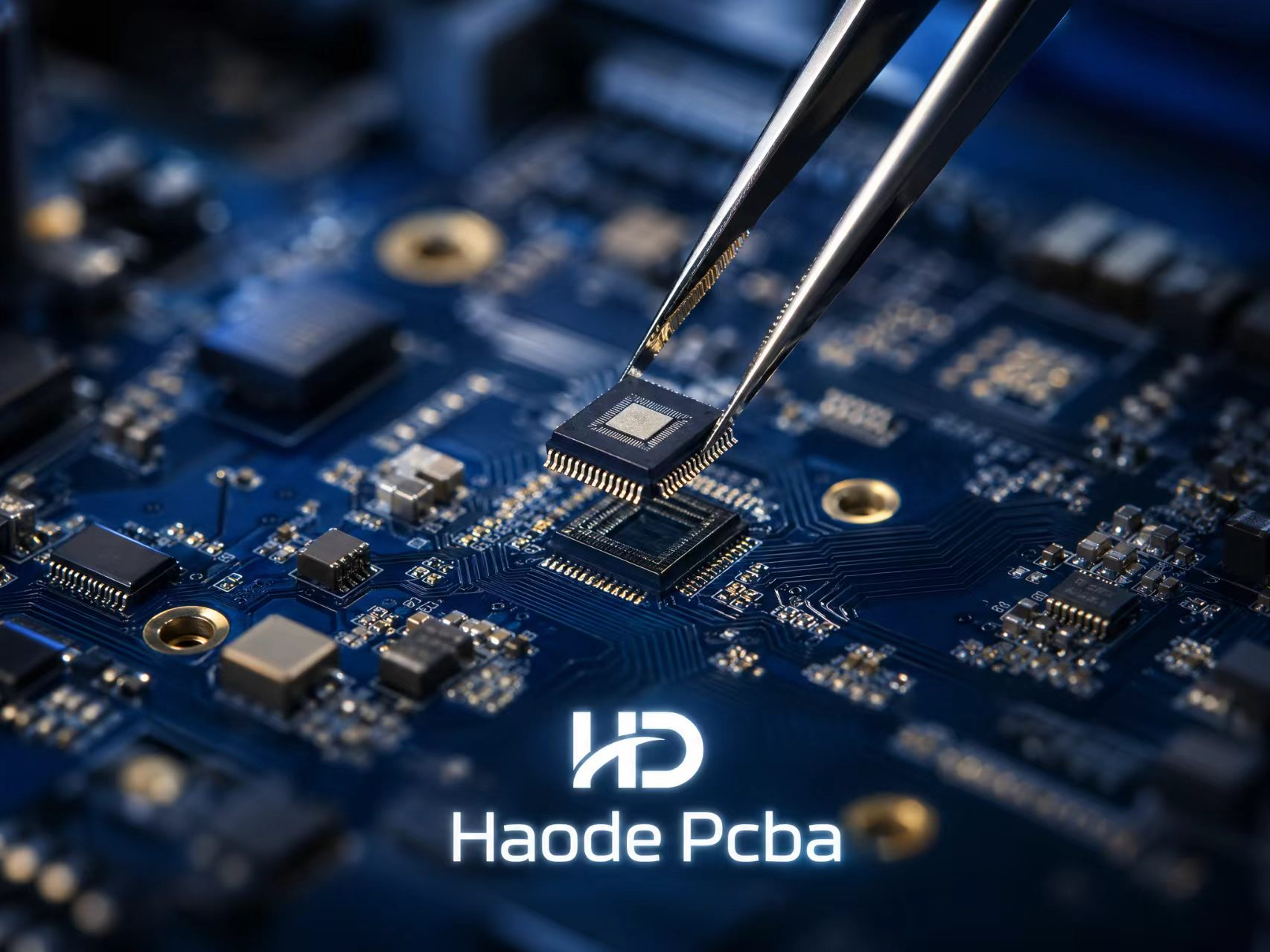
A PCB Board, Also Called A Printed Circuit Board, Circuit Board, Printed Wiring Board, Or Electronic Circuit Board, Is Made Of Several Engineered Layers. These Layers Work Together To Support Electronic Components, Carry Electrical Signals, Protect Copper Circuits, And Improve Long-Term Product Reliability.
A Basic PCB Board Usually Contains A Substrate, Copper Foil, Solder Mask, Silkscreen, Surface Finish, And Sometimes Multiple Inner Layers. In More Advanced Designs, A Multilayer PCB, High-Speed PCB, Flexible PCB, Or Metal Core PCB May Also Use Special Laminates, Prepreg, Adhesives, Thermal Materials, And Controlled-Impedance Structures.
Understanding What PCB Boards Are Made Of Helps Designers, Buyers, Engineers, And Product Developers Choose The Right Circuit Board For Electronics Manufacturing.
What Is A PCB Board?
A PCB Board Is A Rigid Or Flexible Board That Connects Electronic Components Through Copper Traces. These Traces Replace Loose Wires And Create A Stable Electrical Path Between Parts Such As Resistors, Capacitors, IC Chips, Sensors, Connectors, Diodes, Relays, And Microcontrollers.
A PCB Can Be Used In Many Products, Including Consumer Electronics, Industrial Control Systems, Automotive Electronics, Medical Devices, LED Lighting, Power Supplies, Communication Equipment, IoT Devices, And Smart Home Products.
The Main Purpose Of A PCB Is To Provide Mechanical Support And Electrical Connection In One Compact Structure.
Main Materials Used In PCB Boards
Most PCB Boards Are Made Of Four Main Material Groups:
- Insulating Base Material
- Copper Conductive Layer
- Solder Mask Protection Layer
- Silkscreen Identification Layer
However, Different PCB Types May Use Different Material Combinations. A Simple Single-Sided PCB May Use One Copper Layer. A Complex Multilayer PCB May Use Several Copper Layers, Prepreg Sheets, Core Laminates, Plated Vias, And Advanced Surface Finishes.
1. PCB Substrate Material
The PCB Substrate Is The Main Base Material Of The Circuit Board. It Gives The PCB Its Shape, Strength, Thickness, And Insulation Performance.
The Substrate Must Hold Copper Traces Firmly While Preventing Unwanted Electrical Conduction. It Also Helps The Board Resist Heat, Moisture, Vibration, And Mechanical Stress.
Common PCB Substrate Materials Include:
- FR4 Fiberglass Epoxy
- CEM-1 And CEM-3
- Polyimide
- PTFE
- Ceramic
- Aluminum Base Material
- Copper Base Material
Each Material Fits Different Applications.
2. FR4 Fiberglass Material
FR4 Is The Most Common Material Used In PCB Manufacturing. It Is Made From Woven Fiberglass Cloth And Epoxy Resin. This Combination Gives The Board Good Strength, Stable Insulation, And Strong Heat Resistance.
FR4 PCB Boards Are Widely Used In:
- Consumer Electronics
- Industrial Control Boards
- Power Supply Boards
- Computer Hardware
- Communication Devices
- Automotive Control Modules
- IoT Products
- General Electronic Assemblies
FR4 Offers A Good Balance Between Cost, Performance, And Manufacturing Reliability. That Is Why Many Standard Printed Circuit Boards Use FR4 As The Main Base Material.
3. High-Tg FR4 Material
High-Tg FR4 Is A Better Version Of Standard FR4. Tg Means Glass Transition Temperature. A Higher Tg Value Means The Board Can Handle More Heat Before The Material Starts To Soften.
High-Tg PCB Material Is Often Used In:
- Automotive Electronics
- High-Power Circuits
- Industrial Electronics
- Multilayer PCB Boards
- Lead-Free Soldering Processes
- High-Temperature Working Conditions
If A PCB Must Work In A Hot Environment, High-Tg FR4 Can Improve Board Stability And Reduce Warping Risk.
4. Copper Foil Layer
Copper Is The Conductive Material Inside A PCB Board. It Creates Copper Traces, Pads, Power Planes, Ground Planes, And Signal Routes.
Copper Allows Electricity To Move Between Electronic Components. Without Copper, The PCB Would Only Be An Insulating Board.
Common PCB Copper Thickness Options Include:
- 0.5 Oz Copper
- 1 Oz Copper
- 2 Oz Copper
- 3 Oz Copper
- Heavy Copper For High-Current Applications
A Thin Copper Layer Works For Low-Power Signal Circuits. A Thick Copper Layer Works Better For Power Supplies, Motor Drivers, Battery Systems, LED Boards, And Industrial Control Products.
5. Copper Traces And PCB Circuits
The Copper Layer Does Not Stay As One Full Sheet. During PCB Fabrication, The Manufacturer Removes Unwanted Copper And Leaves A Designed Circuit Pattern.
This Pattern Includes:
- Signal Traces
- Component Pads
- Via Pads
- Ground Areas
- Power Lines
- Copper Pours
- Controlled-Impedance Routes
Copper Trace Width And Spacing Are Very Important. Wider Traces Carry More Current. Smaller Spacing Supports Compact PCB Layouts, But It Also Requires Better Manufacturing Control.
6. Prepreg And Core Materials
A Multilayer PCB Board Uses Both Core Material And Prepreg Material.
The Core Is A Rigid Laminate With Copper On One Or Both Sides. Prepreg Is A Fiberglass Material With Partially Cured Resin. During Lamination, Heat And Pressure Melt The Prepreg And Bond All PCB Layers Together.
Prepreg Helps Build:
- 4-Layer PCB Boards
- 6-Layer PCB Boards
- 8-Layer PCB Boards
- HDI PCB Boards
- High-Speed PCB Stack-Ups
- Controlled-Impedance Circuit Boards
In Multilayer PCB Manufacturing, Prepreg Thickness And Dielectric Properties Affect Signal Quality, Impedance, And Electrical Performance.
7. Solder Mask Layer
The Solder Mask Is The Colored Protective Layer On The PCB Surface. Green Is The Most Common Color, But Blue, Red, Black, White, Yellow, Purple, And Matte Colors Are Also Available.
Solder Mask Protects Copper From Oxidation And Prevents Solder Bridges During PCB Assembly. It Also Improves Electrical Insulation And Makes The Board Cleaner And More Professional.
Solder Mask Helps To:
- Protect Copper Traces
- Prevent Short Circuits
- Improve Soldering Accuracy
- Reduce Contamination
- Improve Board Appearance
- Increase Long-Term Reliability
Only Exposed Pads, Test Points, And Some Contact Areas Remain Uncovered For Soldering Or Electrical Connection.
8. Silkscreen Layer
The Silkscreen Layer Prints Text And Symbols On The PCB Board. It Does Not Carry Electricity, But It Helps People Read And Assemble The Board Correctly.
Silkscreen Markings May Include:
- Component Reference Names
- Polarity Marks
- Pin Numbers
- Warning Symbols
- Connector Labels
- Test Point Names
- Company Logos
- Board Version Numbers
Clear Silkscreen Improves PCB Assembly, Inspection, Repair, Testing, And Maintenance.
9. Surface Finish
Copper Pads Need Protection Because Bare Copper Oxidizes Easily. A PCB Surface Finish Covers Exposed Copper Pads And Improves Solderability.
Common Surface Finishes Include:
- HASL
- Lead-Free HASL
- ENIG
- OSP
- Immersion Silver
- Immersion Tin
- Hard Gold
Each Surface Finish Has Different Advantages. HASL Is Cost-Effective For Standard Boards. ENIG Offers A Flat Surface For Fine-Pitch Components, BGA Packages, And High-Reliability PCB Assembly. Hard Gold Works Well For Edge Connectors And Repeated Contact Areas.
10. Plated Through Holes And Vias
Many PCB Boards Include Holes That Connect Different Copper Layers. These Holes Are Called Vias Or Plated Through Holes.
A Via Contains Copper Plating On The Hole Wall. This Copper Allows Signals Or Power To Move From One PCB Layer To Another.
Common Via Types Include:
- Through Vias
- Blind Vias
- Buried Vias
- Microvias
- Thermal Vias
- Stitching Vias
Vias Are Essential In Double-Sided PCB Boards, Multilayer PCB Boards, HDI Boards, And High-Density Electronics.
11. Flexible PCB Materials
A Flexible PCB Uses Flexible Base Materials Instead Of Rigid FR4. The Most Common Flexible PCB Material Is Polyimide.
Polyimide Provides Good Flexibility, Heat Resistance, And Electrical Insulation. It Allows The Circuit Board To Bend, Fold, Or Fit Into Compact Product Spaces.
Flexible PCB Boards Are Common In:
- Wearable Devices
- Cameras
- Medical Electronics
- Mobile Devices
- Automotive Sensors
- Compact Connectors
- Foldable Electronics
A Flexible Circuit Board May Also Use Adhesive Layers, Coverlay Film, And Rolled Annealed Copper For Better Bending Performance.
12. Metal Core PCB Materials
A Metal Core PCB, Also Called MCPCB, Uses A Metal Base To Improve Heat Dissipation. Aluminum Is The Most Common Metal Core Material.
An Aluminum PCB Usually Includes:
- Aluminum Base
- Thermal Insulation Layer
- Copper Circuit Layer
- Solder Mask
- Surface Finish
Metal Core PCB Boards Are Often Used In LED Lighting, Power Modules, Motor Control Boards, Solar Inverters, Automotive Lighting, And High-Heat Electronics.
The Main Benefit Of A Metal Core PCB Is Better Thermal Management.
13. Ceramic PCB Materials
A Ceramic PCB Uses Ceramic Materials Such As Alumina Or Aluminum Nitride. These Boards Offer Strong Thermal Conductivity, Good Insulation, And High Temperature Resistance.
Ceramic PCB Boards Are Used In:
- High-Power Electronics
- LED Modules
- RF Circuits
- Aerospace Electronics
- Medical Devices
- Semiconductor Packaging
- High-Reliability Systems
Ceramic Materials Cost More Than FR4, But They Perform Better In Harsh Thermal And Electrical Conditions.
14. High-Frequency PCB Materials
A High-Frequency PCB Needs Materials With Stable Dielectric Properties. Standard FR4 May Not Work Well For Some RF, Microwave, Or High-Speed Signal Applications.
High-Frequency PCB Materials May Include PTFE, Rogers Laminates, Hydrocarbon Ceramic Laminates, Or Other Low-Loss Materials.
These Materials Help Improve:
- Signal Integrity
- Impedance Control
- Low Signal Loss
- RF Performance
- High-Speed Data Transmission
- Stable Electrical Behavior
High-Frequency PCB Boards Are Common In Antennas, Radar Systems, 5G Equipment, RF Modules, Communication Devices, And Aerospace Electronics.
Are Electronic Components Part Of A PCB Board?
A Bare PCB Board Does Not Include Components. It Only Includes The Board Materials, Copper Circuits, Solder Mask, Silkscreen, Holes, And Surface Finish.
After Assembly, The Board Becomes A PCBA, Or Printed Circuit Board Assembly. A PCBA Includes Components Soldered Onto The PCB.
Common PCBA Materials And Parts Include:
- Resistors
- Capacitors
- IC Chips
- Connectors
- Inductors
- Diodes
- Transistors
- Relays
- Sensors
- Solder Paste
- Flux
- Conformal Coating
So, A PCB Is The Bare Circuit Board. A PCBA Is The Finished Electronic Assembly.
How PCB Materials Affect Performance
PCB Material Selection Affects How The Board Performs In Real Products. Different Materials Can Change Heat Resistance, Signal Quality, Mechanical Strength, Cost, Weight, And Manufacturing Difficulty.
Important PCB Material Factors Include:
- Dielectric Constant
- Thermal Conductivity
- Copper Thickness
- Board Thickness
- Moisture Resistance
- Flame Resistance
- Mechanical Strength
- Dimensional Stability
- Soldering Temperature Resistance
- Long-Term Reliability
For Simple Electronics, Standard FR4 Is Often Enough. For High-Speed, High-Power, Flexible, Or High-Temperature Products, Advanced PCB Materials May Be Necessary.
Common PCB Board Stack-Up
A Simple Double-Sided PCB Stack-Up Usually Includes:
- Top Solder Mask
- Top Copper Layer
- FR4 Core
- Bottom Copper Layer
- Bottom Solder Mask
- Silkscreen
A 4-Layer PCB Stack-Up May Include:
- Top Signal Layer
- Ground Plane
- Power Plane
- Bottom Signal Layer
- Prepreg And Core Materials Between Layers
A Good Stack-Up Improves Routing, Reduces Noise, Supports Better Grounding, And Helps Control Impedance.
Why PCB Material Quality Matters
Low-Quality PCB Materials Can Cause Many Problems. The Board May Warp, Delaminate, Crack, Overheat, Or Fail During Soldering. Poor Copper Quality Can Also Cause Open Circuits, Weak Plating, Pad Lifting, And Unstable Electrical Performance.
Good PCB Materials Help Improve:
- Circuit Reliability
- Product Lifespan
- Solder Joint Strength
- Heat Dissipation
- Signal Stability
- Manufacturing Yield
- Electrical Safety
- Mechanical Durability
For Industrial, Automotive, Medical, And Communication Electronics, Material Quality Is A Key Part Of Product Safety And Performance.
How To Choose The Right PCB Material
To Choose The Right PCB Material, Start With The Product Application. A Low-Cost Consumer Device May Only Need Standard FR4. A Power Module May Need Heavy Copper Or Aluminum Base Material. A Flexible Device May Need Polyimide. A 5G Or RF Product May Need High-Frequency Laminates.
Before Choosing A PCB Material, Consider:
- Working Temperature
- Current Load
- Signal Speed
- Board Size
- Product Environment
- Mechanical Stress
- Heat Dissipation Needs
- Component Density
- Cost Target
- Certification Requirements
- Assembly Method
- Expected Product Lifespan
A Professional PCB Manufacturer Can Also Review The Design And Recommend Suitable Materials For Prototype And Mass Production.
Conclusion
So, What Are PCB Boards Made Of? Most PCB Boards Are Made Of An Insulating Base Material, Copper Conductive Layers, Solder Mask, Silkscreen, Surface Finish, And Plated Holes. Standard PCB Boards Commonly Use FR4 Fiberglass Epoxy And Copper Foil. Advanced Boards May Use High-Tg FR4, Polyimide, Aluminum, Ceramic, PTFE, Rogers Materials, Prepreg, And Special Surface Finishes.
Each Layer Has A Clear Purpose. The Substrate Gives Strength. Copper Carries Signals And Power. Solder Mask Protects The Circuit. Silkscreen Helps Identification. Surface Finish Protects Pads And Supports Soldering.
Choosing The Right PCB Material Helps Improve Electrical Performance, Thermal Control, Assembly Quality, And Long-Term Reliability. Whether You Need A Simple PCB Board, A Multilayer Printed Circuit Board, A Flexible PCB, A Metal Core PCB, Or A Complete PCBA Assembly, Material Selection Plays A Critical Role In Product Success.