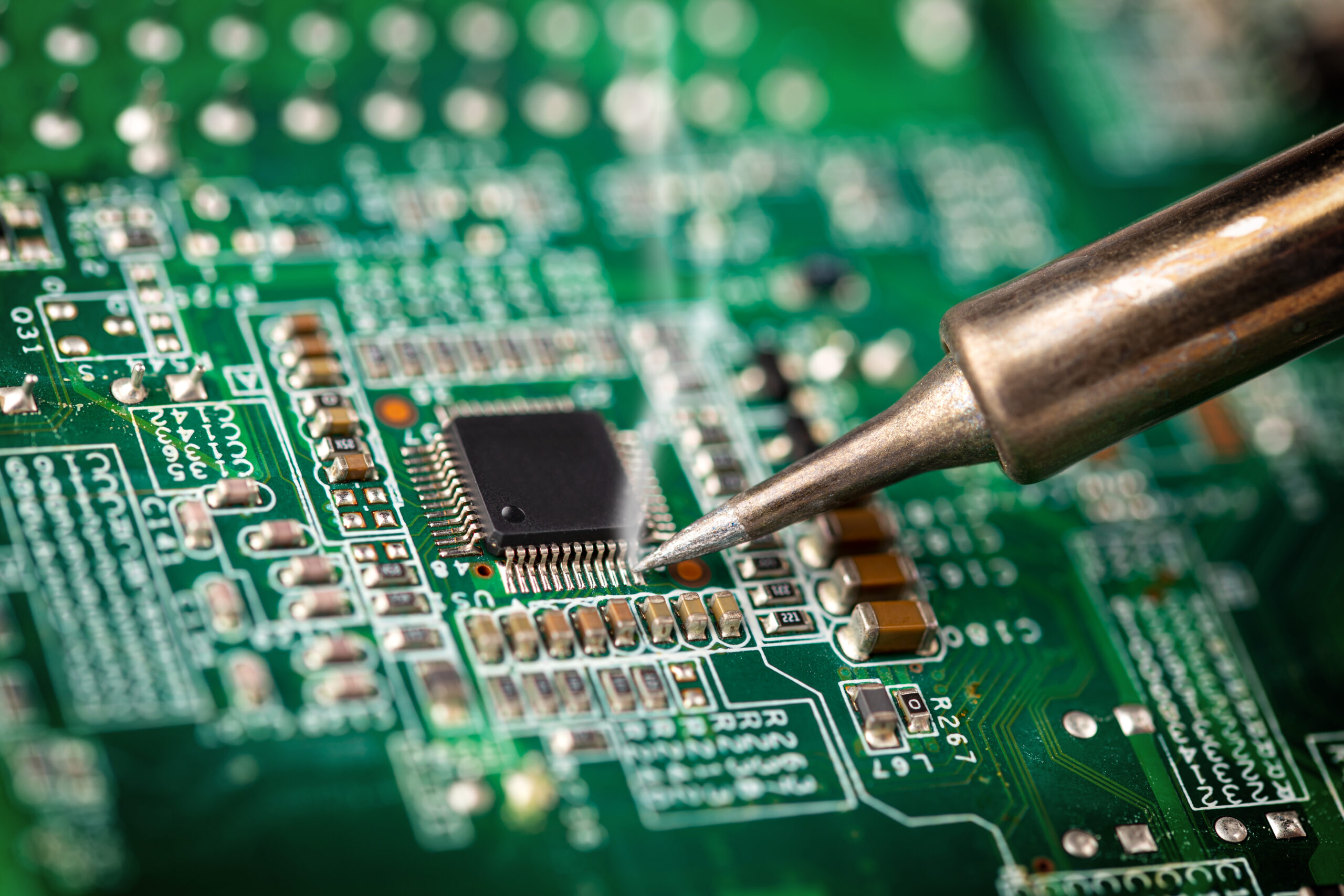
In Modern Electronics Manufacturing, Choosing Between SMT Vs Through Hole Is A Key Decision That Affects Product Performance, Cost, And Production Efficiency. When Engineers Compare SMT Vs Through Hole, They Are Deciding How Electronic Components Will Be Mounted Onto A Printed Circuit Board, Also Known As A PCB, Electronic Circuit Board, Or Circuit Board Assembly Platform. These Two Methods—Surface Mount Technology (SMT) And Through Hole Technology (THT)—Are Widely Used In PCB Assembly, Electronic Circuit Manufacturing, And Circuit Board Production. Understanding The Differences Between SMT PCB Assembly And Through Hole PCB Assembly Helps Designers Choose The Best Solution For Different Applications.
What Is Through Hole Technology?
Through Hole Technology (THT) Is A Traditional Method Where Component Leads Are Inserted Into Plated Through Holes On A PCB Board And Soldered On The Opposite Side. This Method Creates Strong Mechanical Bonds And Is Ideal For Applications That Require Durability.
In SMT Vs Through Hole Discussions, Through Hole PCB Assembly, Also Called Through Hole Mounting, Leaded Component Assembly, Or THT PCB Manufacturing, Is Common In Industrial PCB Applications, Power Electronics Circuit Boards, Automotive PCB Systems, And Heavy-Duty Electronic Assemblies.
Key Differences Between SMT Vs Through Hole
When Comparing SMT Vs Through Hole, The Main Difference Is The Mounting Method. Surface Mount Technology Places Components On The Board Surface, While Through Hole Technology Requires Drilling Holes For Component Leads.
SMT Vs Through Hole Also Differs In Design Flexibility. SMT PCB Assembly Supports Compact PCB Layout, High-Speed PCB Production, And Lightweight Electronic Design, While Through Hole PCB Assembly Provides Strong Mechanical Connection, Durable PCB Structure, And Better Support For Large Electronic Components Or High Power Devices.
Advantages Of SMT PCB Assembly
In The Context Of SMT Vs Through Hole, SMT PCB Assembly Offers Major Benefits. It Enables High-Speed Automated Assembly, Pick And Place Machine Processing, And Mass Production PCB Manufacturing. This Improves Efficiency And Reduces Labor Costs.
Another Advantage Is Electrical Performance. Shorter Leads Help Improve High Frequency PCB Performance, Reduce Signal Loss, And Support Advanced Circuit Board Design. SMT Is Widely Used In Consumer Electronics PCB, Communication Equipment PCB, IoT Device PCB, And Computer Circuit Boards.
Advantages Of Through Hole PCB Assembly
When Evaluating SMT Vs Through Hole, Through Hole PCB Assembly Provides Excellent Strength And Reliability. Because Leads Pass Through The Board, It Supports High Reliability PCB Design, Vibration Resistant Circuit Boards, And Heavy Component Mounting.
It Is Also Useful For Prototype PCB Assembly, Manual PCB Soldering, And Repairable Circuit Board Design. Many Engineers Prefer Through Hole For Industrial Control PCB, Power Supply Circuit Boards, And Automotive Electronic Systems Where Long-Term Stability Matters.
Disadvantages Of SMT Vs Through Hole
Both Methods Have Limitations. In SMT Vs Through Hole Comparisons, SMT Assembly Process Requires Precise Equipment And Skilled Programming. It Can Be Difficult For PCB Repair And Rework Because Components Are Small And Densely Placed.
On The Other Hand, Through Hole PCB Manufacturing Requires Drilling, Which Increases PCB Fabrication Cost, Reduces Available Routing Space, And Limits High Density PCB Design. Choosing Between SMT Vs Through Hole Requires Balancing Cost, Performance, And Manufacturing Needs.
When To Use SMT Vs Through Hole
Understanding SMT Vs Through Hole Helps Engineers Choose The Right Method. SMT Technology Is Ideal For High Volume PCB Production, Compact Electronics Design, And Modern Electronic Devices. It Is Widely Used In Smart Devices, Consumer Electronics, And Communication Circuit Boards.
Through Hole Technology Is Better For High Power PCB Applications, Mechanical Stress Environments, And Heavy-Duty Electronic Equipment. It Is Common In Industrial Electronics, Power Supply Systems, And Automotive PCB Applications.
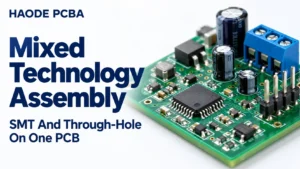
Many Designs Use A Hybrid Approach Called Mixed Technology PCB Assembly, Which Combines SMT Components And Through Hole Components On The Same Board. This Is Also Known As Hybrid PCB Design Or Mixed Assembly PCB.
Common PCB Related Synonyms And Long-Tail Keywords
In SMT Vs Through Hole Topics, Many Related Keywords Are Used. Common Synonyms Include Printed Circuit Board, PCB Board, Electronic Circuit Board, Circuit Board Assembly, And PCBA (Printed Circuit Board Assembly).
Popular Long-Tail Keywords Include SMT PCB Assembly Service, Through Hole PCB Assembly Service, Custom PCB Assembly Manufacturer, Turnkey PCB Assembly Solution, Prototype PCB Assembly Service, Low Volume PCB Assembly, High Volume PCB Production, Electronic Manufacturing Services (EMS), Contract Electronics Manufacturing, And PCB Testing And Inspection Services.
Using These Terms Naturally Helps Improve SEO While Keeping The Content Clear And Readable Without Keyword Stuffing.
Future Trends In PCB Assembly
As Technology Advances, SMT Vs Through Hole Remains A Key Topic In PCB Design And Manufacturing. Surface Mount Technology Continues To Improve With Faster Machines, Higher Precision, And Support For Ultra Small Components.
At The Same Time, Through Hole Technology Still Plays A Critical Role In High Reliability PCB Applications And Industrial Electronics Manufacturing. Future Trends Include Smart PCB Manufacturing, Automated Assembly Lines, And Flexible PCB Production Systems.
Conclusion
Understanding SMT Vs Through Hole Is Essential For Anyone Involved In PCB Design, Electronic Manufacturing, Or Circuit Board Assembly. SMT PCB Assembly Offers Speed, Efficiency, And Compact Design, While Through Hole PCB Assembly Provides Strength And Durability. By Choosing The Right Method Or Using A Combination Of Both, Manufacturers Can Build High-Quality Printed Circuit Board Assemblies That Meet Modern Performance And Production Requirements.