PCB Sensor is an essential part of many modern electronic systems because it helps detect, measure, and transmit information such as temperature, pressure, motion, humidity, light, gas, or position. As smart devices, industrial automation, automotive electronics, and IoT products continue to grow, the role of the PCB Sensor becomes increasingly important in both consumer and industrial applications.
In electronics manufacturing, a PCB Sensor may also be described as a Sensor PCBA, Sensor Circuit Board, Printed Circuit Board Sensor Module, Sensing PCBA, Or PCB-Based Sensor Board. Whether used in wearable technology, medical devices, smart home systems, or industrial monitoring equipment, a well-designed sensor board is critical for signal accuracy, stability, and long-term reliability.
What Is A PCB Sensor
A PCB Sensor is a sensor device or sensor module that is built on or integrated with a printed circuit board. The PCB provides the electrical connections, component support, and signal routing needed for the sensor to operate correctly.
A typical Sensor Circuit Board may include:
- Sensing Element
- Printed Circuit Board Substrate
- Signal Conditioning Circuit
- Connector Or Terminal
- Power Supply Path
- Output Interface
- Protective Coating Or Housing
The PCB not only supports the sensor physically, but also helps manage signal transmission, noise control, and system integration.
How A PCB Sensor Works
A Sensor Circuit Board works by detecting a physical or environmental change and converting it into an electrical signal that can be processed by a controller, processor, or communication circuit.
The working process usually includes:
- Detection Of A Physical Condition
- Signal Conversion
- Signal Conditioning
- Data Transmission
- Output To The Main Control System
For example, a temperature sensor PCBA detects heat changes, while a pressure sensor circuit board detects pressure variation. The PCB helps route the signal and connect the sensor to the rest of the electronic system.
Why PCB Sensors Are Important
A high-quality PCB Sensor is important because sensor accuracy depends not only on the sensing element itself, but also on the board design, electrical layout, and signal integrity.
A strong Sensor Circuit Board helps improve:
- Signal Accuracy
- Measurement Stability
- Low Noise Performance
- Device Reliability
- Compact Product Design
- Easy System Integration
- Efficient Manufacturing
For many electronic products, the quality of the sensor board directly affects the quality of the final device.
Main Types Of PCB Sensors
Different products require different types of PCB Sensor solutions. The most common types include the following.
Temperature Sensor PCB
A Temperature Sensor PCB is used to detect temperature changes in electronics, appliances, industrial systems, and medical devices.
Pressure Sensor Circuit Board
A Pressure Sensor PCB measures air pressure, fluid pressure, or force changes and is often used in industrial controls, automotive systems, and medical equipment.
Humidity Sensor PCBA
A Humidity Sensor PCBA detects moisture levels in the air and is commonly used in HVAC systems, smart home devices, agricultural monitoring, and environmental control products.
Motion Sensor PCBA
A Motion Sensor PCBA is used in security systems, lighting controls, smart devices, and automation equipment to detect movement or motion changes.
Gas Sensor PCBA
A Gas Sensor PCBA detects the presence or concentration of gases and is often used in safety equipment, industrial monitoring, and environmental systems.
Light Sensor PCBA
A Light Sensor PCBA measures light intensity and is commonly used in display systems, lighting control products, and smart electronics.
Proximity Sensor PCBA
A Proximity Sensor PCBA detects nearby objects without physical contact and is used in industrial automation, consumer electronics, and automotive systems.
PCB Sensor Design Considerations
Designing a reliable PCBA Sensor requires careful attention to both electronic performance and environmental conditions.
Important design factors include:
Signal Integrity
Sensor outputs can be very small, so the PCB layout must help reduce noise and signal interference.
Component Placement
Proper positioning of the sensor element, filtering components, and connectors improves signal stability and performance.
Thermal Management
For some sensors, especially temperature-sensitive systems, the PCB design must minimize unwanted thermal influence.
EMI Control
Electromagnetic interference can affect sensor accuracy, so trace routing, grounding, and shielding are important.
Size And Integration
Many modern products require compact Sensor PCB Boards that fit into small device housings.
Environmental Protection
Some PCB Sensors need coating, sealing, or protective housing for use in harsh environments.
Common Materials Used In PCB Sensors
The material selection of a PCB Sensor affects durability, signal quality, and manufacturing suitability.
Common materials include:
- FR-4 For Standard Sensor Boards
- Flexible PCB Material For Compact Or Wearable Sensor Designs
- High TG Material For Higher Temperature Applications
- Ceramic Or Specialized Substrates For Precision Sensor Systems
The right PCB material depends on the application, operating temperature, reliability target, and mechanical requirements.
PCB Sensor Manufacturing Process
The manufacturing process of a PCB Sensor is similar to general PCB production, but sensor applications often require more precision and tighter quality control.
The process usually includes:
PCB Fabrication
The sensor circuit board is produced according to the design files, layer structure, and dimensional requirements.
Component Assembly
Sensor chips, signal conditioning components, connectors, and other electronic parts are mounted onto the board.
Calibration Or Tuning
Some PCB Sensors require calibration to ensure accurate measurement performance.
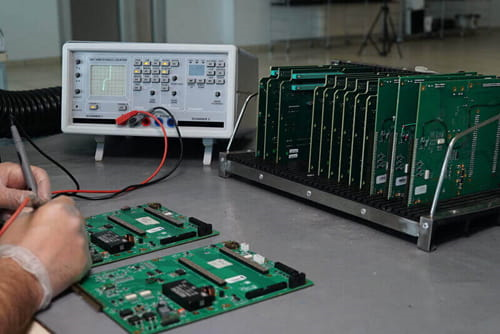
Inspection And Testing
The finished board is inspected and tested for signal quality, electrical performance, and functional stability.
Protective Processing
In some applications, the sensor board may receive conformal coating, encapsulation, or environmental sealing.
Applications Of PCB Sensors
Manufacturers Use PCB Sensors Across Many Industries Because Sensing Technology Plays A Key Role In Smart And Connected Systems.
Common applications include:
- Consumer Electronics
- Smart Home Devices
- Industrial Automation
- Medical Devices
- Automotive Electronics
- Environmental Monitoring Systems
- Security Equipment
- HVAC Control Systems
- Wearable Devices
- IoT Products
Because sensor-based electronics continue to expand, demand for reliable Sensor PCB Boards is also increasing.
Benefits Of High-Quality PCB Sensors
A high-quality PCB Sensor offers several important advantages.
Better Detection Accuracy
Good board design helps improve the quality of the sensor signal and measurement result.
More Stable Performance
Reliable materials and proper layout reduce drift, noise, and unstable readings.
Easier Product Integration
A compact Sensor Circuit Board makes it easier to integrate the sensor into larger electronic systems.
Longer Service Life
Strong manufacturing quality and environmental protection improve long-term durability.
Better Manufacturing Consistency
Well-designed sensor PCBs support repeatable production and stable product quality.
PCB Sensor Vs Standard PCB
PCB Designers Develop PCBA Sensors With A Focus On Sensing Performance Instead Of Only General Signal Connectivity, Which Distinguishes Them From Standard PCBA.
| Feature | PCB Sensor | Standard PCB |
|---|---|---|
| Main Purpose | Detection And Signal Measurement | General Electronic Connection |
| Signal Sensitivity | High | Application Dependent |
| Layout Focus | Noise Reduction And Accuracy | General Routing |
| Environmental Concern | Often High | Varies |
| Calibration Need | Often Required | Usually Not Required |
Because of these differences, sensor boards often require more specialized design and testing than standard PCBA products.
How To Choose The Right PCB Sensor
Choosing the right PCBA Sensor depends on several key factors.
Sensor Type
The first step is identifying whether the application needs temperature, pressure, motion, humidity, gas, light, or another sensing function.
Accuracy Requirement
Different products require different measurement precision and stability levels.
Operating Environment
The PCBA sensor should match the temperature, moisture, vibration, or contamination conditions of the final application.
Size And Mounting Method
The board must fit the available product space and connect easily with the main system.
Output And Interface
The sensor board should be compatible with the electrical and communication requirements of the final device.
Reliability Requirement
Industrial, automotive, and medical products often need higher reliability than standard consumer electronics.
Conclusion
A Sensor Circuit Board is a critical part of modern electronics because it allows devices to detect, measure, and respond to the surrounding environment. Whether used as a Temperature Sensor PCBA, Pressure Sensor Circuit Board, Humidity Sensor PCBA, Motion Sensor PCBA, Or Gas Sensor PCBA, it combines sensing technology with circuit board design to deliver useful and accurate data.
For manufacturers, engineers, and OEM buyers, understanding PCBA Sensor design, materials, functions, and applications is essential for developing reliable and high-performance electronic products. A well-designed sensor PCBA can improve accuracy, reduce noise, support compact integration, and enhance the long-term quality of the final device.