Which Microcontroller Is Better For Your Project?
Choosing Between ESP32-S3 And Teensy 4.1 Is Not About Finding A Universal Winner. It Is About Selecting The Right Microcontroller Platform For Your Specific Application. Both Boards Are Powerful, But They Are Designed For Different Goals. ESP32-S3 Focuses On Wireless Connectivity, Low-Power Operation, And Smart IoT Features. Teensy 4.1 Focuses On High-Speed Processing, Real-Time Control, And Advanced Embedded Performance.
If Your Project Needs Built-In WiFi, Bluetooth, Edge Intelligence, Or Efficient Battery Use, ESP32-S3 Is Often The Better Choice. If Your Design Requires Fast Computation, Audio Processing, Robotics Control, Or Large Numbers Of I/O Connections, Teensy 4.1 Usually Has The Advantage. Understanding These Differences Can Help You Save Development Time, Reduce Hardware Complexity, And Choose The Best Solution For Your Product.
What Is The Difference Between ESP32-S3 And Teensy 4.1?
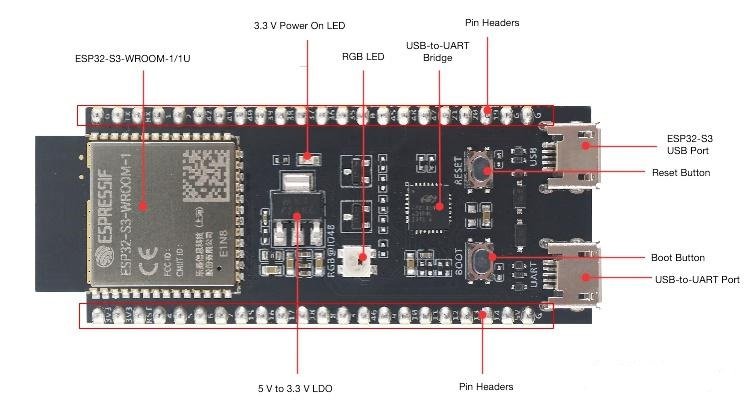
The Main Difference Between ESP32-S3 And Teensy 4.1 Is Their Design Philosophy. ESP32-S3 Is A Highly Integrated Wireless Microcontroller Designed For IoT Devices, Smart Electronics, And Connected Systems. It Combines Processing Power, WiFi, Bluetooth LE, And AI-Oriented Features In One Compact Platform.
Teensy 4.1 Takes A Different Approach. It Is Built For Developers Who Need Maximum Processing Speed, Real-Time Response, And Rich Peripheral Support. Instead Of Integrated Wireless Features, It Prioritizes Raw Performance And Flexible Hardware Control.
This Means ESP32-S3 Is Better For Connected Products, While Teensy 4.1 Is Better For High-Performance Embedded Systems.
ESP32-S3 Vs Teensy 4.1 Specifications Overview
| Feature | ESP32-S3 | Teensy 4.1 |
|---|---|---|
| Main Focus | Wireless IoT And Smart Devices | High-Speed Embedded Control |
| CPU | Dual-Core Xtensa LX7 Up To 240 MHz | ARM Cortex-M7 At 600 MHz |
| Wireless Connectivity | Built-In WiFi And Bluetooth LE | No Built-In Wireless |
| Power Profile | Low-Power Friendly | Performance Focused |
| I/O Capability | Strong General-Purpose GPIO Support | Rich I/O And Expansion Capability |
| Best For | IoT, Smart Home, Wearables, Edge AI | DSP, Robotics, Motion Control, Industrial Systems |
This Comparison Clearly Shows That ESP32-S3 And Teensy 4.1 Serve Different Development Priorities. One Is Optimized For Connectivity And Efficiency. The Other Is Optimized For Speed And Control.
Why Choose ESP32-S3?
ESP32-S3 Is A Strong Choice For Modern Embedded Products That Need Wireless Communication. Since WiFi And Bluetooth LE Are Integrated Into The Chip, It Helps Simplify Hardware Design And Reduce The Need For Extra Modules. This Can Lower BOM Cost, Save PCB Space, And Improve Product Integration.
Another Major Benefit Of ESP32-S3 Is Its Suitability For Low-Power Devices. It Is Commonly Used In Battery-Powered Electronics, Remote Sensors, Smart Home Devices, And Portable Systems. In Addition, ESP32-S3 Supports AI-Oriented Workloads, Which Makes It Useful For Smart Sensors, Voice Interfaces, And Lightweight Edge Computing.
Best Use Cases For ESP32-S3
Smart Home Devices
ESP32-S3 Is Ideal For Smart Switches, Smart Lighting, Connected Appliances, And Home Automation Nodes.
IoT Sensors And Remote Monitoring
It Works Well In Wireless Sensor Networks, Environmental Monitors, Data Loggers, And Cloud-Connected Devices.
Wearables And Portable Electronics
Because Of Its Low-Power Capability And Built-In Wireless Features, ESP32-S3 Is A Good Option For Portable Smart Devices.
Edge AI Applications
For Products That Need Basic On-Device Intelligence, Such As Voice Triggers Or Smart Detection, ESP32-S3 Offers Useful Processing Features.
Why Choose Teensy 4.1?
Teensy 4.1 Is Designed For Developers Who Need Exceptional Embedded Performance. Its High-Speed Processor Makes It A Strong Platform For Applications That Demand Fast Data Processing, Low-Latency Response, And Real-Time Control.
Teensy 4.1 Is Also Known For Its Rich I/O Capability. This Makes It Very Attractive For Hardware Projects Involving Multiple Sensors, Displays, Motors, Communication Interfaces, Or Precision Control Systems. While It Does Not Include Built-In Wireless Connectivity, It Excels In Performance-Critical Designs Where Speed Matters Most.
Best Use Cases For Teensy 4.1
Audio Processing And DSP
Teensy 4.1 Is A Popular Choice For Digital Audio Projects, Synthesizers, Effects Units, And Signal Processing Applications.
Robotics And Motion Control
For Robotic Systems, CNC Machines, Servo Control, And Real-Time Motion Management, Teensy 4.1 Delivers Excellent Response Speed.
Industrial Controllers
It Is Well Suited For Embedded Control Boards, Custom Instruments, Factory Automation, And Performance-Focused Equipment.
Advanced Prototyping
Teensy 4.1 Helps Developers Build Fast Prototypes For Demanding Embedded Applications Where Stable Processing Power Is Essential.
ESP32-S3 Vs Teensy 4.1 Performance Comparison
If You Compare Pure Processing Speed, Teensy 4.1 Has The Clear Advantage. Its Faster MCU Architecture Makes It Better For Heavy Computational Tasks, Real-Time Analysis, Audio Processing, And Motion Control.
ESP32-S3, However, Provides A Better Balance Of Performance And Integration. It Delivers Enough Processing Power For Many Connected Products While Also Handling Wireless Communication And Efficient System Management. For Most IoT Applications, This Balanced Design Is More Practical Than Maximum CPU Speed Alone.
In Simple Terms, Teensy 4.1 Wins In Raw Performance, While ESP32-S3 Wins In System Integration.
ESP32-S3 Vs Teensy 4.1 Wireless Connectivity Comparison
Wireless Connectivity Is One Of The Biggest Reasons Many Developers Choose ESP32-S3. It Includes Built-In WiFi And Bluetooth LE, Which Makes It Perfect For IoT Products, Remote Monitoring Systems, Mobile App Pairing, And Cloud-Based Devices.
Teensy 4.1 Does Not Include Native Wireless Features. Engineers Add External Modules When A Project Requires WiFi Or Bluetooth, And This Often Increases Hardware Complexity, PCB Size, Cost, And Development Effort.
So If Wireless Communication Is Essential, ESP32-S3 Is Usually The Better Platform.
ESP32-S3 Vs Teensy 4.1 Power Consumption Comparison
ESP32-S3 Is Generally Better For Low-Power Embedded Design. It Is Well Suited For Sleep-Based Operation, Energy-Efficient IoT Systems, And Battery-Powered Devices.
Teensy 4.1 Prioritizes High Processing Performance, Which Typically Means Higher Power Consumption Compared With A Wireless IoT-Focused MCU. This Is Not Always A Problem In Plugged-In Equipment Or Industrial Systems, But It Can Be A Limitation In Portable Electronics.
If Battery Life Is A Critical Factor, ESP32-S3 Usually Has The Advantage.
ESP32-S3 Vs Teensy 4.1 GPIO And Expansion Comparison
Both Platforms Offer Good Hardware Flexibility, But They Serve Different Needs. ESP32-S3 Provides A Strong Mix Of GPIO, Communication Interfaces, And Wireless Integration For Compact Smart Products. It Works Well In Applications That Need Connectivity, Sensor Integration, And Efficient Board Design.
Teensy 4.1 Is Better For Projects That Need More Aggressive I/O Expansion And High-Speed Peripheral Handling. It Is A Better Fit For Motor Drivers, Multi-Sensor Controllers, Large Embedded Interfaces, And Complex Local Processing Tasks.
Developers Use ESP32-S3 For Compact Wireless Integration, While Teensy 4.1 Delivers Stronger Performance For High-Speed Hardware Control.
Which Board Is Easier To Develop With?
The Answer Depends On Your Product Type. Developers Use ESP32-S3 In Wireless Consumer Devices Because It Provides Built-In Connectivity Features For Most IoT Products. This Simplifies PCB Design, Reduces External Components, And Speeds Up Hardware Integration.
evelopers Use Teensy 4.1 In High-Performance Controller Designs Because It Provides Strong Processing Power And Flexible I/O. This Platform Is Ideal For Performance-Driven Prototypes And Real-Time Embedded Systems.
Product Requirements Determine Whether A Connectivity-Oriented Or Performance-Oriented Design Is The Easier Choice.
How To Choose Between ESP32-S3 And Teensy 4.1
Choose ESP32-S3 If Your Project Needs:
- WiFi Or Bluetooth Connectivity
- Low-Power Operation
- Smart Home Or IoT Features
- Compact Wireless Product Design
- Edge AI Or Intelligent Sensor Functions
Choose Teensy 4.1 If Your Project Needs:
- Maximum Embedded Processing Speed
- Real-Time Audio Or DSP
- Robotics Or Motion Control
- Rich Wired I/O
- Industrial Automation Or Precision Control
This Simple Rule Works Well For Most Developers. ESP32-S3 Is Best For Connected Smart Devices. Teensy 4.1 Is Best For Fast Embedded Control.
ESP32-S3 Vs Teensy 4.1: Final Verdict
There Is No Single Winner In The ESP32-S3 Vs Teensy 4.1 Comparison. The Better Board Depends Entirely On Your Application. ESP32-S3 Is The Better Choice For IoT, Smart Devices, Wireless Electronics, And Battery-Friendly Systems. Teensy 4.1 Is The Better Choice For Real-Time Control, Audio Processing, Robotics, And High-Speed Embedded Performance.
If Your Product Needs To Connect, Communicate, And Operate Efficiently, ESP32-S3 Is The Better Starting Point. If Your Product Needs To Process Faster, Control Hardware Precisely, And Handle Demanding Embedded Workloads, Teensy 4.1 Is The Better Option.
Choosing The Right Platform Early In Development Can Improve Product Reliability, Reduce Design Changes, And Help You Build A More Competitive End Product.
FAQ About ESP32-S3 Vs Teensy 4.1
Is ESP32-S3 Faster Than Teensy 4.1?
No. Teensy 4.1 Offers Higher Raw Processing Speed. ESP32-S3 Focuses More On Wireless Integration, Low Power, And Smart IoT Applications.
Does Teensy 4.1 Have WiFi Or Bluetooth?
No. Teensy 4.1 Does Not Include Built-In WiFi Or Bluetooth. External Modules Are Usually Required For Wireless Communication.
Is ESP32-S3 Good For IoT Projects?
Yes. ESP32-S3 Is One Of The Best Choices For IoT Development Because It Combines Wireless Connectivity, Efficient Power Use, And Flexible Embedded Processing.
Is Teensy 4.1 Good For Robotics?
Yes. Teensy 4.1 Is A Strong Option For Robotics, Motion Control, And Real-Time Embedded Systems Because Of Its High-Speed Performance And Rich I/O Resources.
Which Is Better For Beginners?
It Depends On The Project Goal. ESP32-S3 Is Better For Wireless And IoT Projects. Teensy 4.1 Is Better For High-Performance Embedded Control Projects.