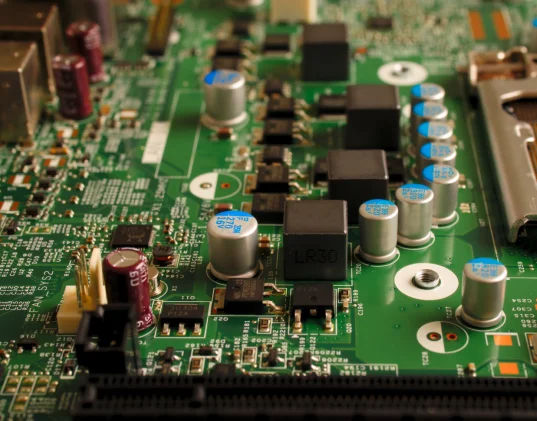
Proper Printed Circuit Board Storage is essential for maintaining PCB quality, protecting solderability, and reducing the risk of damage before assembly or end use. Even a well-manufactured board can develop problems if it is exposed to moisture, dust, contamination, poor handling, or unstable environmental conditions during storage.
For PCB Manufacturers, EMS providers, OEM buyers, and electronics assembly teams, understanding the best practices for Printed Circuit Board Storage helps improve product reliability, extend shelf life, and reduce production loss. Whether you are storing bare PCBs, assembled circuit boards, prototype boards, or production inventory, the right storage conditions play a critical role in long-term performance.
Why Printed Circuit Board Storage Matters
A Printed Circuit Board is sensitive to environmental conditions. Moisture, oxidation, temperature changes, and contamination can affect both the board surface and its assembly readiness. If PCBs are stored incorrectly, they may suffer from solderability issues, corrosion, warped structure, surface degradation, or electrical reliability problems.
Good Printed Circuit Board Storage helps prevent:
- Moisture Absorption
- Oxidation Of Surface Finish
- Dust And Particle Contamination
- PCB Warpage
- Damage To Pads And Copper Areas
- Reduced Solderability
- Handling Damage During Inventory Management
For companies involved in PCB fabrication, PCB assembly, electronics manufacturing, or PCB distribution, correct storage is part of quality control.
Types Of Printed Circuit Boards That Require Proper Storage
Almost all PCB products require controlled storage conditions, but the exact requirements may vary depending on the board type and production stage.
Common PCB categories include:
- Bare Printed Circuit Boards
- Assembled Printed Circuit Boards
- Multilayer PCBs
- Flexible PCBs
- Rigid-Flex PCBs
- Prototype Circuit Boards
- Production PCB Inventory
- High-Reliability PCBs
Each type may have different sensitivity to humidity, mechanical stress, static electricity, or contamination.
Main Risks In Printed Circuit Board Storage
Several common storage risks can affect PCB quality if the boards are not protected properly.
Moisture Absorption
Moisture is one of the biggest threats in Printed Circuit Board Storage. PCBs and packaging materials can absorb humidity from the air, which may later cause soldering defects, delamination, or internal stress during reflow or thermal exposure.
Oxidation And Surface Degradation
Copper pads and certain surface finishes can degrade if they are exposed to air for too long, especially in humid or contaminated environments. This can reduce solderability and create assembly problems.
Dust And Contamination
Dust, oil, fingerprints, and airborne particles can settle on PCB surfaces during storage. These contaminants may interfere with soldering, testing, or electrical performance.
Warpage And Mechanical Stress
Improper stacking, bending, or unsupported storage can cause PCB warpage, especially in thinner boards or larger panels.
Electrostatic Discharge
Some stored PCB assemblies or partially assembled boards are sensitive to ESD damage. Without proper electrostatic protection, delicate components may be damaged during storage or handling.
Ideal Environmental Conditions For Printed Circuit Board Storage
The best Printed Circuit Board Storage environment should be clean, dry, stable, and well controlled.
Important storage factors include:
Temperature Control
PCBs should be stored at a moderate and stable temperature. Excessive heat may accelerate material degradation, while sharp temperature swings can increase condensation risk.
Humidity Control
Low and stable humidity is essential. High humidity increases the risk of moisture absorption, oxidation, and long-term surface damage.
Clean Air Conditions
PCBs should be stored in a clean area away from dust, chemicals, oils, and corrosive atmospheres.
Limited Light Exposure
Although light is usually less critical than humidity, long-term exposure to harsh industrial environments should still be avoided.
Stable Storage Layout
Boards should be stored flat or properly supported to avoid bending, edge damage, or unnecessary mechanical stress.
Best Packaging Methods For Printed Circuit Board Storage
Packaging is one of the most important parts of Printed Circuit Board Storage because it protects boards from environmental exposure and handling damage.
Vacuum Sealed Packaging
Vacuum packaging is widely used for bare PCBs and moisture-sensitive boards. It helps reduce air and humidity exposure during transport and storage.
Moisture Barrier Bags
Moisture barrier bags are commonly used for PCBs and PCB assemblies that need protection from humidity and contamination.
Desiccant Packs
Desiccants are often included inside sealed packaging to absorb residual moisture and improve storage stability.
Humidity Indicator Cards
A humidity indicator card can help monitor the storage condition inside sealed PCB packaging.
Anti-Static Packaging
For boards with electronic components or ESD-sensitive parts, anti-static bags, conductive trays, or ESD-safe storage boxes are recommended.
Printed Circuit Board Storage For Bare PCBs
Bare PCB Storage focuses mainly on protecting the board surface, solderability, and structural condition before assembly.
Best practices for storing bare PCBs include:
- Keep Boards In Original Sealed Packaging
- Use Moisture Barrier Bags
- Store In A Low-Humidity Environment
- Avoid Direct Hand Contact On Pads
- Keep Boards Flat And Properly Supported
- Protect Against Dust And Surface Contamination
- Label Inventory By Date And Revision
This is especially important for PCBs with sensitive finishes such as ENIG, OSP, immersion silver, or other surface treatments.
Printed Circuit Board Storage For Assembled Boards
Assembled PCB Storage requires additional protection because mounted components may be sensitive to electrostatic discharge, moisture, vibration, or contamination.
Best practices for storing assembled PCBs include:
- Use ESD-Safe Packaging
- Avoid Mechanical Shock
- Protect Connectors And Delicate Parts
- Maintain Clean And Dry Storage Conditions
- Use Trays Or Partitioned Containers
- Prevent Pressure On Tall Components
- Control Moisture For Rework Or Further Processing
Assembled boards often need more careful handling than bare boards because of the added mechanical and electrical sensitivity.
Shelf Life Considerations In Printed Circuit Board Storage
The acceptable storage period for a PCB depends on the board material, surface finish, packaging condition, and storage environment.
Factors that affect PCB shelf life include:
- Surface Finish Type
- Packaging Quality
- Humidity Exposure
- Temperature Stability
- Frequency Of Opening And Repacking
- Cleanliness Of Storage Area
Some surface finishes are more sensitive than others, so inventory control is important. In many operations, first in, first out inventory rotation is recommended to reduce the risk of aging stock.
Handling Rules During Printed Circuit Board Storage
Storage quality is not only about the room environment. It also depends on how the boards are handled.
Recommended handling practices include:
- Wear Clean Gloves When Needed
- Avoid Touching Pads Or Copper Areas
- Hold Boards By The Edges
- Prevent Scratching Or Dropping
- Use ESD Protection For Sensitive Boards
- Avoid Stacking Without Proper Support
- Re-Seal Opened Packages When Required
Improper handling can damage even a properly stored board.
Printed Circuit Board Storage In PCB Assembly Facilities
In PCB assembly factories or EMS environments, storage conditions must support both incoming material control and production readiness.
Important storage practices include:
- Controlled Incoming PCB Inspection
- Moisture-Safe Storage Before Assembly
- Clear Inventory Labeling
- Traceable Date Management
- Surface Finish Protection
- ESD-Safe Storage For PCBA
- Separate Zones For Bare Boards And Assembled Boards
These steps help reduce manufacturing defects and improve process stability.
Common Mistakes In Printed Circuit Board Storage
Many PCB storage problems come from simple mistakes in packaging, handling, or environmental control.
Common mistakes include:
- Storing PCBs In Humid Areas
- Leaving Boards Unsealed After Opening
- Touching Pads With Bare Hands
- Mixing Different Board Revisions In Storage
- Stacking Boards Improperly
- Ignoring ESD Protection
- Using Dirty Or Dusty Storage Shelves
- Keeping Old Inventory Too Long Without Review
Avoiding these issues helps protect board quality and reduce waste.
How To Improve Printed Circuit Board Storage Management
A strong Printed Circuit Board Storage system should include both environmental control and organized inventory management.
Useful improvements include:
- Use Clearly Labeled Storage Bins
- Track Storage Dates
- Rotate Inventory Regularly
- Store By Product Type And Revision
- Maintain Sealed Packaging Integrity
- Train Staff In PCB Handling Rules
- Monitor Humidity And Temperature
- Inspect Stored Boards Periodically
These practices are especially important for companies holding large PCB inventory or preparing boards for assembly.
Printed Circuit Board Storage For Long-Term Reliability
If PCBs must be stored for extended periods, long-term planning becomes even more important. Long-term Printed Circuit Board Storage should focus on preserving solderability, preventing oxidation, and reducing moisture risk.
For long-term storage, companies should consider:
- High-Quality Moisture Barrier Packaging
- Vacuum Sealing Where Appropriate
- Desiccant Replacement If Repacked
- Controlled Environmental Monitoring
- Periodic Condition Inspection
- Defined Shelf-Life Review Procedures
This helps ensure the boards remain usable when production or installation begins later.
Conclusion
Proper Printed Circuit Boards Storage is an essential part of maintaining PCB quality, protecting surface finish integrity, and supporting reliable electronics smanufacturing. From bare PCB storage to assembled circuit board storage, the right combination of humidity control, clean packaging, careful handling, and inventory management helps prevent damage and preserve long-term usability.
For PCB manufacturers, EMS providers, OEM buyers, and electronics assembly teams, good storage practices reduce risk, improve solderability, and support more consistent production results. A well-planned Printed Circuit Board Storage system is not just about keeping boards on a shelf. It is a critical step in protecting product quality from fabrication to final use.