SMT Meaning: What Does SMT Mean in Electronics?
If you are researching SMT Meaning, you are likely exploring how modern electronic products achieve compact size, high reliability, and scalable manufacturing.
SMT, or Surface Mount Technology, is the dominant PCB assembly method used to mount electronic components directly onto the surface of a printed circuit board (PCB). Unlike traditional through-hole assembly, SMT manufacturing eliminates lead insertion and enables highly automated, high-density circuit board production.
Today, SMT assembly, surface mount process, and SMD assembly form the backbone of modern electronics manufacturing—from consumer devices to industrial control systems.
What Is the SMT Meaning?
SMT meaning refers to a PCB manufacturing technology in which surface-mount devices (SMD components) are placed onto PCB pads and permanently soldered using a controlled reflow soldering process.
One-Line Engineering Definition
Surface Mount Technology (SMT) is an automated PCB assembly process that mounts SMD components onto the board surface and forms electrical connections through reflow soldering.
SMT Synonyms and Related Terms
To fully understand the SMT meaning, it helps to recognize closely related industry terminology. These terms are often used interchangeably in electronics manufacturing contexts:
- Surface Mount Technology
- SMT Assembly
- Surface Mount Assembly (SMA)
- SMT Manufacturing
- SMD Assembly
- Surface Mount Process
- Automated PCB Assembly
- Pick-and-Place Assembly
- Reflow SMT Process
- High-Density PCB Assembly
How Surface Mount Technology (SMT) Works
Understanding the SMT meaning requires looking at the actual SMT assembly workflow. A standard surface mount production line is designed for speed, precision, and repeatability.
Step 1 — Solder Paste Printing
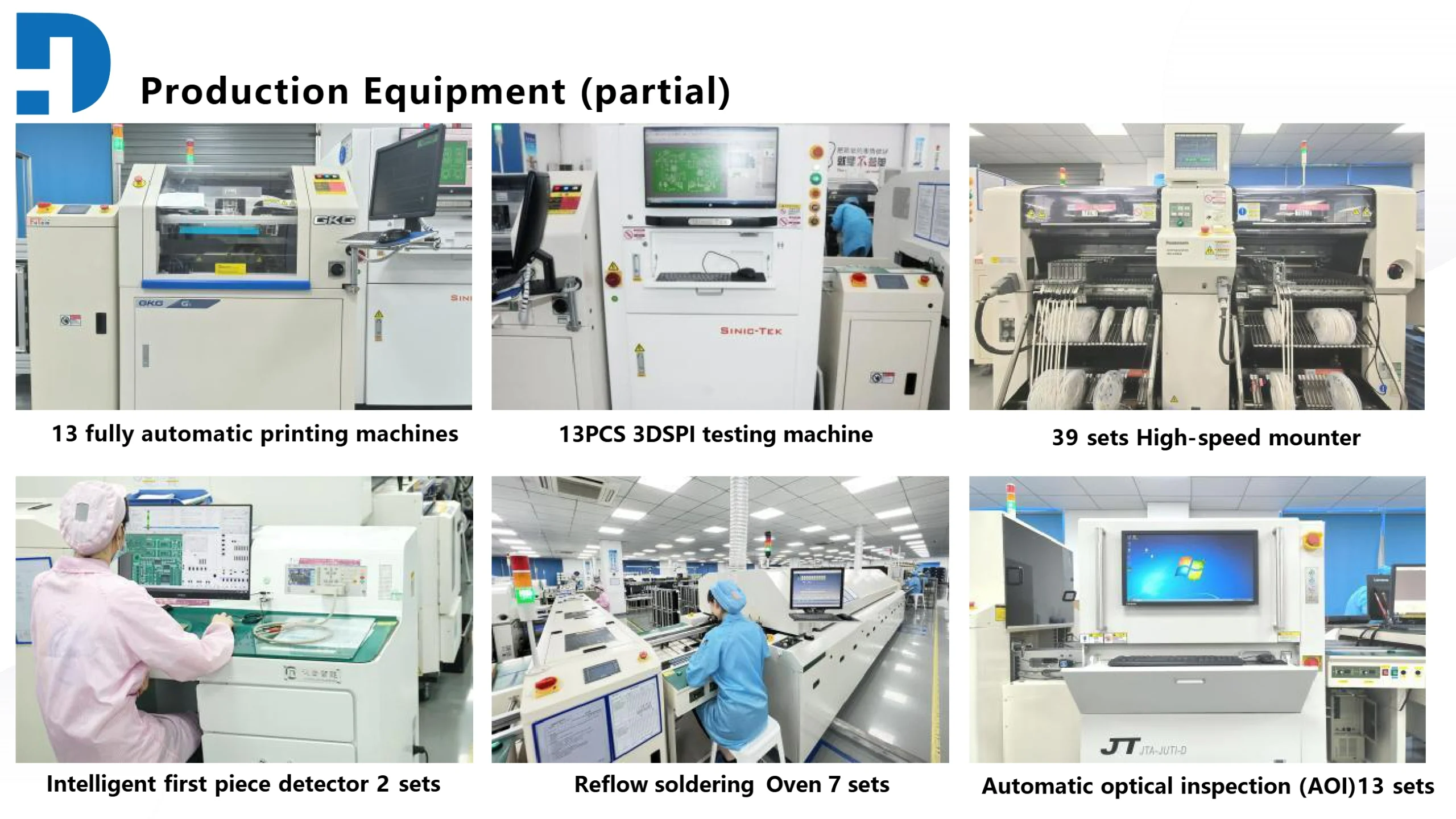
The SMT process begins with solder paste deposition using a precision stencil printer. The machine applies controlled volumes of solder paste onto PCB pads.
Why this step matters:
- Determines solder joint volume
- Affects defect rate (bridging, opens)
- Influences overall SMT yield
- Impacts downstream reflow quality
In high-reliability SMT manufacturing, stencil design and paste rheology are tightly controlled.
Step 2 — Automated Pick-and-Place Assembly
Next, high-speed pick-and-place machines position SMD components onto the pasted pads. This is the core of modern automated SMT assembly.
Advanced SMT lines can place:
- Chip resistors and capacitors
- QFP, QFN, and BGA packages
- LEDs and diodes
- Fine-pitch ICs
Key performance factors:
- Placement accuracy
- Component polarity control
- Feeder stability
- Vision alignment systems
This stage largely determines SMT line throughput and placement quality.
Step 3 — Reflow Soldering Process
After placement, boards enter a multi-zone reflow oven. The controlled thermal profile melts the solder paste, creating metallurgical bonds between PCB pads and component terminations.
A typical SMT reflow profile includes:
- Preheat zone
- Thermal soak
- Peak reflow
- Controlled cooling
Proper reflow management ensures:
- Strong solder joints
- Minimal thermal stress
- Low voiding in BGAs
- Stable long-term reliability
SMT vs SMD: Clearing the Common Confusion
Many engineers and buyers searching SMT meaning also ask about SMT vs SMD.
SMT = The Technology
Surface Mount Technology (SMT) is the manufacturing process used to assemble components onto a PCB.
SMD = The Component
Surface-Mounted Device (SMD) refers to the electronic component package designed for SMT assembly.
Simple Memory Rule
- SMT builds the board
- SMD is what gets mounted
Understanding this distinction improves communication with PCB assembly suppliers and EMS providers.
Key Advantages of SMT Assembly
Modern electronics rely heavily on surface mount technology because it delivers strong manufacturing and performance benefits.
Higher Component Density
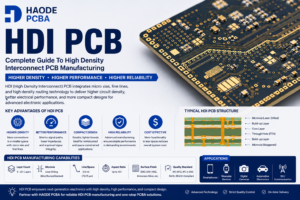
SMT allows tighter spacing and supports high-density PCB layouts, enabling smaller and lighter electronic products.
Lower Cost in Volume Production
Automated SMT lines reduce manual labor and improve throughput, making SMT manufacturing highly cost-effective at scale.
Improved High-Frequency Performance
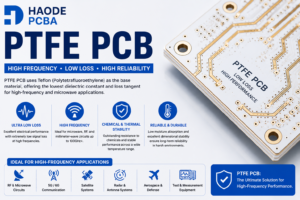
Shorter electrical paths typically reduce parasitic inductance and capacitance, which benefits many high-speed and RF designs.
Faster, More Repeatable Production
Because SMT relies on automation, it provides:
- Stable placement accuracy
- Consistent solder quality
- Higher first-pass yield
- Reduced human variability
Limitations of Surface Mount Technology
Although SMT dominates modern PCB assembly, it is not universally perfect.
More Complex Rework
Fine-pitch SMD components require specialized rework tools and skilled technicians.
Higher Equipment Investment
A complete SMT line includes:
- Stencil printer
- Pick-and-place machines
- Reflow oven
- AOI inspection systems
This creates significant upfront capital requirements.
Not Ideal for High Mechanical Stress Parts
Large connectors, transformers, and high-current components may still require through-hole technology (THT) or mixed assembly.
Common Applications of SMT in Electronics
The broad adoption of SMT assembly reflects its versatility across industries.
Consumer Electronics
- Smartphones
- Tablets
- Smart home devices
- Wearables
These products depend heavily on high-density SMT PCB assembly.
Computing and Networking Hardware
- Routers and switches
- Embedded systems
- Industrial controllers
SMT supports complex multilayer PCB designs in these systems.
Automotive and Industrial Electronics
- Sensor modules
- Control boards
- Power management units
Here, SMT is often combined with selective through-hole for robustness.
LED and Power Electronics (Selective Use)
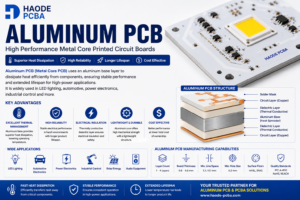
Many LED boards use SMT LEDs together with thermal-optimized PCB materials such as MCPCB.
FAQ: SMT Meaning and PCB Assembly
Is SMT the same as PCB assembly?
Not exactly. SMT is one major PCB assembly method, but a full PCBA process may include SMT, through-hole (THT), or mixed technology.
Why is SMT so widely used?
Because surface mount technology enables miniaturization, automation, and scalable manufacturing—key requirements in modern electronics.
Can SMT completely replace through-hole?
In many products yes, but high-power, high-stress, or connector-heavy designs still often use mixed SMT + THT assembly.
Conclusion: Why the SMT Meaning Matters
Understanding the true SMT meaning helps engineers, sourcing managers, and product developers make better decisions when selecting a PCB assembly technology.
In essence, Surface Mount Technology (SMT) is the high-efficiency manufacturing backbone that enables today’s compact, reliable, and mass-produced electronic products. When properly controlled—from stencil printing to pick-and-place to reflow—SMT delivers the speed, density, and consistency that modern electronics demand.