In the electronics manufacturing industry, PCB and PCBA are two closely related but fundamentally different concepts. Although often used interchangeably, understanding the difference between a Printed Circuit Board (PCB) and a Printed Circuit Board Assembly (PCBA) is essential for engineers, purchasers, and OEM decision-makers.
This guide provides a clear, in-depth, and practical comparison of PCB vs PCBA, helping you choose the right solution for your application and production needs.
What Is a PCB (Printed Circuit Board)?
A PCB is the bare foundation of an electronic circuit. It is a non-functional board designed to mechanically support and electrically connect electronic components through conductive copper traces.
Without components mounted, a PCB cannot perform any electronic function.
Key Characteristics of a PCB
- Acts as the structural base of electronic circuits
- Contains copper pathways based on circuit design
- Provides insulation, heat resistance, and mechanical strength
- Requires further assembly to become functional
Types of PCBs
Single-Layer PCB
- One conductive copper layer
- Low cost and simple design
- Used in basic electronics and consumer products
Double-Layer PCB
- Conductive layers on both sides
- Higher component density
- Common in industrial control and power electronics
Multi-Layer PCB
- Three or more conductive layers
- High performance and compact size
- Used in servers, telecom, medical, and automotive systems
Special PCB Types
- Flexible PCB (FPC)
- Rigid PCB
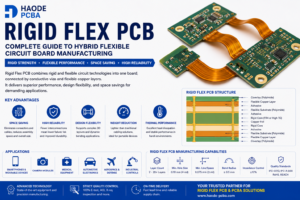
- Rigid-Flex PCB
PCB Materials and Construction
Most PCBs are manufactured using:
- Substrate: FR-4 fiberglass, composite epoxy
- Conductive layer: Copper
- Surface finish: HASL, ENIG (gold), OSP, immersion silver
These materials ensure durability, conductivity, and resistance to oxidation and environmental stress What Is the Difference Between …
Common PCB Applications
PCBs are widely used across industries, including:
- Consumer electronics (phones, TVs, computers)
- Industrial automation
- Automotive electronics
- Medical devices
- Telecommunications and data centers
- Aerospace and satellite systems
What Is PCBA (Printed Circuit Board Assembly)?
A PCBA is a fully assembled and functional circuit board, created by mounting electronic components onto a PCB using specialized assembly processes.
Unlike a bare PCB, a PCBA is ready for integration into electronic products.
PCBA can refer to:
- The finished assembled board
- The PCB assembly process itself
PCBA Assembly Methods
1. Surface-Mount Technology (SMT)
SMT is the most widely used PCB assembly method today.
SMT Process Overview:
- Solder paste printing
- Automated component placement
- Reflow soldering
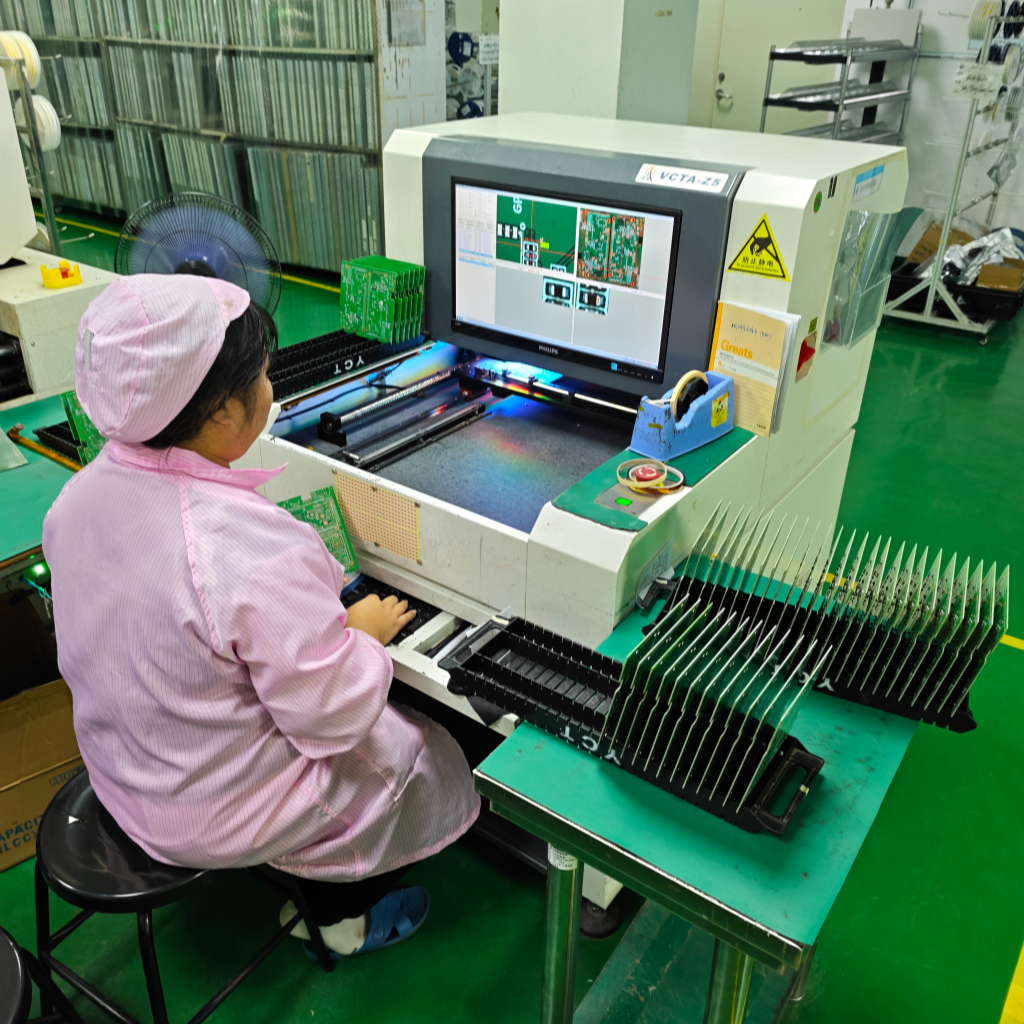
- AOI / X-ray inspection
Advantages:
- High component density
- Smaller board size
- Faster production
- Ideal for mass manufacturing
2. Through-Hole Technology (THT)
Through-hole assembly involves inserting component leads through drilled holes.
Advantages:
- Strong mechanical bonding
- Better for high-stress or high-power applications
- Excellent long-term reliability
Many modern PCBAs use hybrid SMT + THT assembly for optimal performance What Is the Difference Between …
PCB vs PCBA: Key Differences at a Glance
| Aspect | PCB | PCBA |
|---|---|---|
| Functionality | Non-functional | Fully functional |
| Components | Not installed | Fully assembled |
| Manufacturing Stage | Early | Final |
| Cost | Lower | Higher |
| Usage | Intermediate product | Ready for end device |
| Packaging | Vacuum-packed | Anti-static packaging |
How PCB and PCBA Work Together
PCB and PCBA are two consecutive stages of the same manufacturing process.
- PCB fabrication comes first
- PCBA builds upon the finished PCB
- A PCBA cannot exist without a PCB
While PCB manufacturing focuses on materials and circuit accuracy, PCBA emphasizes component placement, soldering quality, and electrical performance.
Which Should You Choose: PCB or PCBA?
- Choose PCB only if you have in-house assembly capability
- Choose PCBA if you want:
- Reduced supply chain complexity
- Faster time to market
- Consistent assembly quality
- One-stop manufacturing service
For OEMs and EMS buyers, PCBA services significantly reduce production risk and total cost of ownership.
Final Thoughts
Understanding the difference between PCB and PCBA is critical when sourcing electronic manufacturing services. While a PCB forms the backbone of a circuit, only a PCBA delivers real-world functionality.
By selecting the right solution at the right stage, manufacturers can improve product reliability, production efficiency, and overall competitiveness.