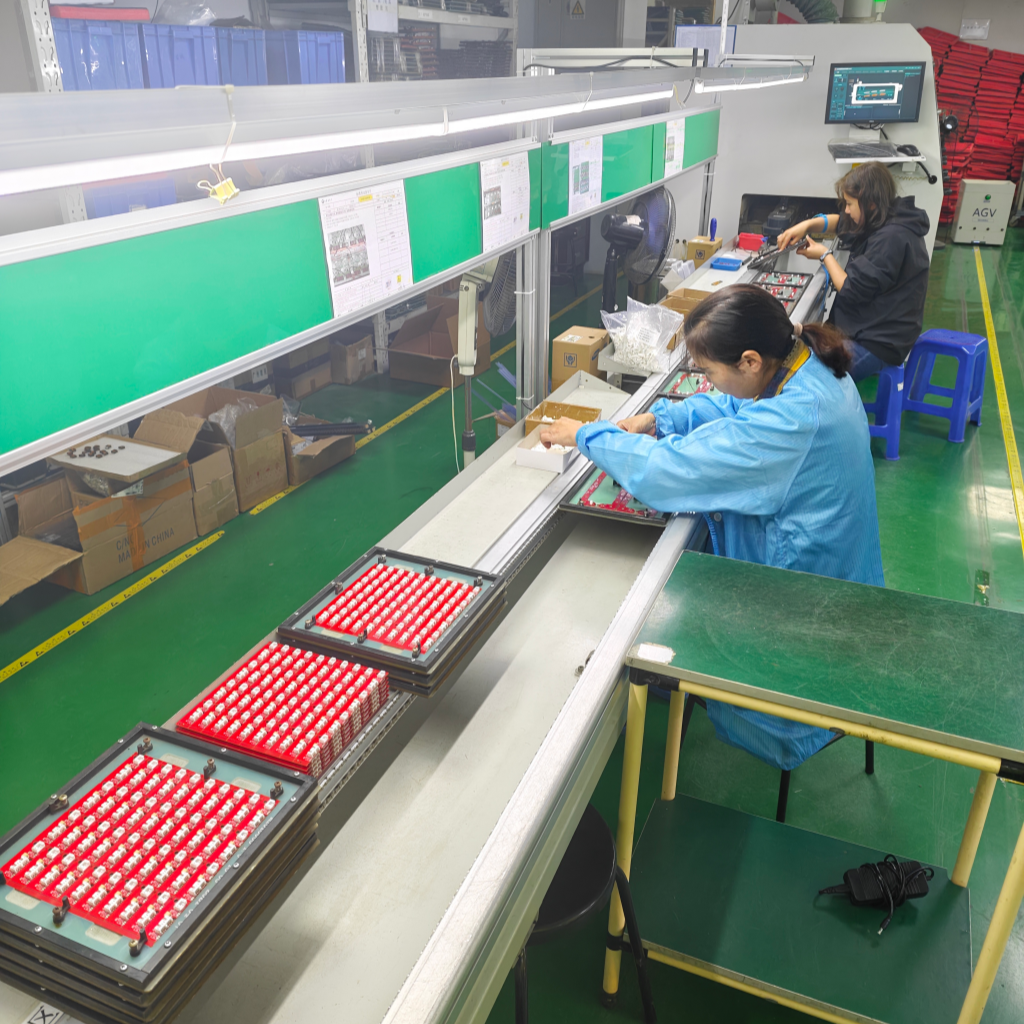
Medical electronics demand the highest levels of precision, traceability, and long-term reliability. In healthcare environments, even minor failures in PCBA (Printed Circuit Board Assembly) can lead to device malfunction, regulatory risk, or patient safety concerns.
Therefore, medical PCB assembly is governed by stricter standards, tighter process control, and more comprehensive validation than typical consumer electronics manufacturing.
This guide explains the key requirements, major challenges, and compliance essentials for high-reliability medical PCBA production.
What Is Medical PCBA?
Medical PCBA refers to the assembly of printed circuit boards used in healthcare and medical devices, including:
- Patient monitoring systems
- Diagnostic imaging equipment
- Infusion pumps
- Wearable medical devices
- Surgical electronics
- Portable healthcare instruments
Compared with standard electronic assembly, medical-grade PCB assembly requires enhanced process validation, documentation, and risk management.
Common synonyms used in the industry:
- PCB Assembly
- Circuit Board Assembly
- Medical Electronics Assembly
- SMT Assembly
- PCB Population
- EMS for Medical Devices
Key Requirements for Medical PCBA Manufacturing
1. Regulatory Compliance and Certification
Medical PCBA manufacturing services must comply with strict global standards.
Essential Certifications
- ISO 13485 (medical device quality management)
- ISO 9001 (quality management system)
- IPC-A-610 Class 3 (high-reliability assembly)
- FDA QSR (for U.S. medical devices)
- RoHS / REACH environmental compliance
Why It Matters
Regulatory compliance ensures:
- Patient safety
- Product traceability
- Legal market access
- Consistent manufacturing quality
⚠️ Working with a non-certified PCB assembly supplier is one of the biggest outsourcing risks.
2. High-Reliability Design Support (DFM/DFA)
Before production begins, professional PCBA providers perform:
- Design for Manufacturability (DFM)
- Design for Assembly (DFA)
- Design for Test (DFT)
Key Focus Areas
- Component spacing optimization
- Thermal management design
- Signal integrity review
- Test point accessibility
- Material compatibility
Early engineering review significantly reduces defects in medical circuit board assembly.
3. Controlled Component Sourcing & Traceability
Medical devices require full component traceability, often down to lot or date code.
Best-Practice Controls
- Authorized distributor sourcing
- Anti-counterfeit verification
- Moisture sensitivity management
- Date code tracking
- Batch traceability systems
A robust traceability system is a hallmark of professional electronics manufacturing services (EMS) providers.
4. Precision SMT Assembly Process
Medical products often use high-density PCB assembly, including:
- Fine-pitch ICs
- BGA packages
- QFN components
- Micro passive components
Critical SMT Quality Controls
- High-accuracy pick-and-place
- SPI (solder paste inspection)
- Nitrogen reflow (when required)
- Automated optical inspection (AOI)
- X-ray inspection for hidden joints
These controls ensure long-term reliability of surface mount PCB assembly.
5. Strict Cleanliness & Contamination Control
Medical PCBA boards frequently require higher cleanliness levels than commercial electronics.
When Cleaning Is Mandatory
- Implantable devices
- High-impedance circuits
- Diagnostic equipment
- Life-support systems
Key Standards
- Ionic contamination testing
- Surface insulation resistance (SIR)
- No-clean vs. aqueous cleaning validation
Residue contamination is a common hidden failure source in medical electronics assembly.
6. Comprehensive Testing Requirements
Testing is the final reliability gate in medical PCBA manufacturing.
Typical Test Methods
- ICT (In-Circuit Test)
- Functional Circuit Test (FCT)
- Flying probe testing
- Boundary scan (JTAG)
- Burn-in testing
- Environmental stress screening
Advanced Medical Validation
High-end medical PCB assembly services may also include:
- HALT/HASS testing
- Thermal cycling
- Vibration testing
- Long-term aging
Major Challenges in Medical PCBA Production
Challenge 1: Zero-Defect Expectation
Unlike consumer electronics, medical devices often require near-zero defect rates.
Risk Areas
- Hidden solder voids
- Intermittent connections
- Micro-cracks
- Component drift
This demands tighter process windows in high-reliability PCBA manufacturing.
Challenge 2: Long Product Lifecycle Support
Medical devices typically remain in the market for 7–15 years.
Manufacturing Implications
- Long-term component availability
- Obsolescence management
- Documentation retention
- Process repeatability
Not all PCB assembly vendors can support long lifecycle programs.
Challenge 3: Full Traceability Requirements
Regulators often require complete traceability for medical circuit board assembly.
Required Records
- Component lot history
- Process parameters
- Inspection results
- Operator records
- Test data logs
This usually requires a robust MES system within the PCBA manufacturing line.
Challenge 4: Complex Regulatory Audits
Medical EMS providers must be audit-ready at all times.
Common Audit Types
- FDA inspections
- ISO 13485 audits
- Customer quality audits
- Process validation reviews
Proper documentation control is critical.
How to Choose a Reliable Medical PCBA Partner
Must-Have Capabilities
A qualified medical PCB assembly manufacturer should provide:
✅ ISO 13485 certification
✅ IPC Class 3 workmanship
✅ Full SMT + THT capability
✅ AOI + X-ray inspection
✅ Complete traceability system
✅ Engineering support (DFM/DFA/DFT)
✅ Cleanroom capability (if required)
✅ Robust testing solutions
Red Flags to Avoid
🚩 No medical certifications
🚩 Limited inspection coverage
🚩 Manual record keeping
🚩 Unverified component sourcing
🚩 Extremely low pricing
🚩 Weak engineering team
These often indicate high outsourcing risk in medical electronics manufacturing.
Future Trends in Medical PCBA
The medical electronics industry is rapidly evolving.
Key Technology Trends
- Miniaturized wearable devices
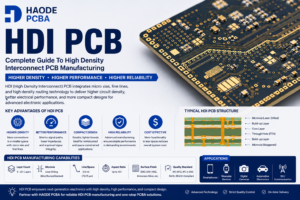
- High-density interconnect (HDI) boards
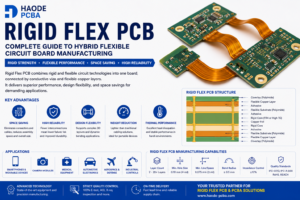
- Flexible and rigid-flex PCBA
- AI-enabled diagnostic equipment
- Remote patient monitoring systems
- Higher reliability requirements
As complexity grows, professional PCBA manufacturing services become even more critical.
Conclusion: Precision PCBA Is the Backbone of Medical Device Reliability
Medical device performance depends heavily on the quality of the PCBA process, from component sourcing to final functional testing.
By implementing strict quality control, regulatory compliance, and full traceability—and by partnering with an experienced medical PCB assembly provider—manufacturers can achieve:
- Superior product reliability
- Regulatory readiness
- Reduced field failures
- Faster approvals
- Stronger market reputation
In the healthcare sector, investing in high-quality PCBA manufacturing is not optional—it is essential.