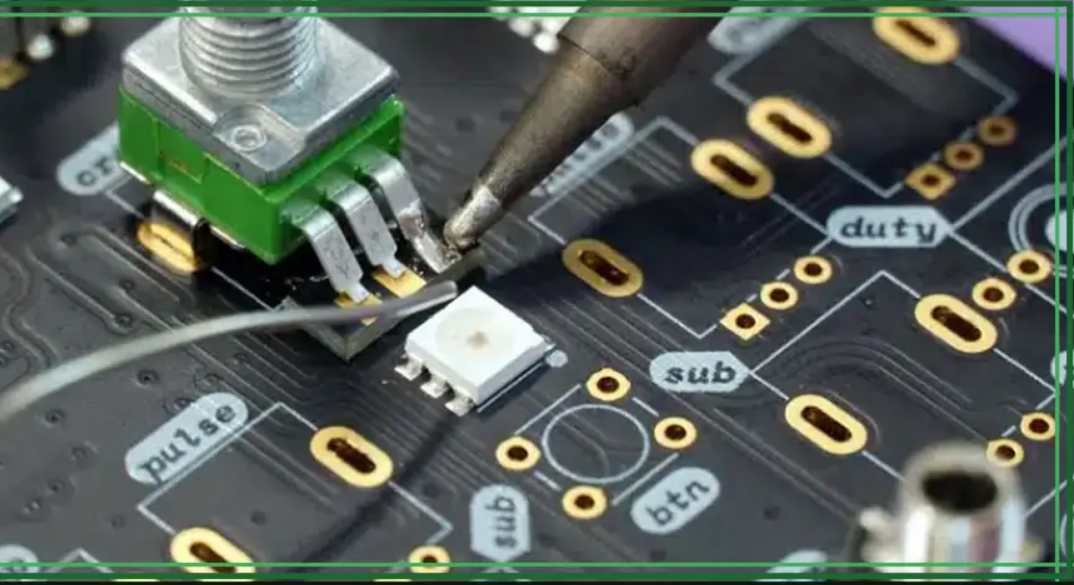
Circuit Boards Are Made Of Several Core Materials That Work Together To Support Electronic Components, Carry Electrical Signals, And Protect The Entire Circuit Structure. In Most Cases, A Circuit Board, Also Called A Printed Circuit Board, PCB Board, Electronic Circuit Board, Or Printed Wiring Board, Is Built From A Non-Conductive Base Material, Conductive Copper Layers, Protective Coatings, And Printed Markings. Each Material Plays A Different Role In The Performance, Durability, And Reliability Of The Finished Board.
Base Material Of A Circuit Board
The Main Body Of A Circuit Board Is Usually Made From A Non-Conductive Substrate. This Base Material Gives The Board Its Shape, Mechanical Strength, And Electrical Insulation. One Of The Most Common Materials Used In Standard Printed Circuit Boards Is FR4, Which Is Made From Woven Fiberglass Cloth And Epoxy Resin. FR4 Is Popular Because It Offers Good Strength, Stable Insulation, And Reliable Performance In Many Electronic Products.
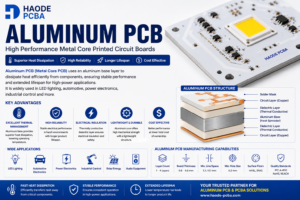
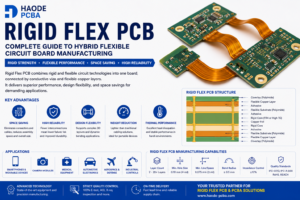
Other Types Of Circuit Boards May Use Different Base Materials. Flexible Boards Often Use Polyimide, While Metal Core Boards May Use Aluminum For Better Heat Dissipation. The Choice Of Base Material Depends On The Product Design, Operating Environment, And Performance Requirements.
Copper Layers In Circuit Boards
The Conductive Part Of A Circuit Board Is Usually Made Of Copper. Thin Copper Foil Is Bonded To The Surface Of The Base Material To Create Electrical Pathways. These Pathways, Called Traces, Carry Signals And Power Between Components.
A Single-Sided Circuit Board, Copper Appears On One Side Only. In A Double-Sided PCB Board, Copper Is Applied To Both Sides. In Multilayer Circuit Boards, Multiple Copper Layers Are Stacked Inside The Board To Support More Complex Routing, Higher Circuit Density, And Better Electrical Performance.
Because Copper Has Excellent Conductivity, It Is The Standard Material Used In Most Electronic Circuit Boards.
Solder Mask On A Circuit Board
A Circuit Board Usually Includes A Protective Coating Called Solder Mask. This Layer Covers Most Of The Copper Surface And Helps Prevent Short Circuits, Oxidation, And Accidental Solder Bridges During Assembly. The Most Common Solder Mask Color Is Green, But PCB Boards Can Also Be Black, Red, Blue, White, Or Other Colors Depending On The Product Or Brand Preference.
The Solder Mask Also Helps Improve The Durability And Appearance Of The Printed Circuit Board.
Silkscreen Layer
The Silkscreen Layer Is The Printed Marking On The Surface Of A Circuit Board. It Usually Shows Part Numbers, Reference Designators, Symbols, Logos, And Assembly Information. Although The Silkscreen Does Not Carry Electrical Current, It Plays An Important Role In Manufacturing, Inspection, And Maintenance.
On Many PCB Boards, The Silkscreen Is Printed In White, But Other Colors Can Also Be Used Depending On The Board Finish And Design Needs.
Vias, Pads, And Plating Materials
In Addition To The Main Base Material And Copper Layers, A Circuit Board Also Includes Pads And Vias. Pads Are The Flat Copper Areas Where Components Are Soldered. Vias Are Small Holes That Connect Different Copper Layers In The Board. These Features Often Use Copper Plating To Maintain Electrical Continuity Through The Board Structure.
Some Printed Circuit Boards Also Use Additional Surface Finishes On The Copper Pads, Such As HASL, ENIG, OSP, Or Immersion Silver. These Finishes Help Improve Solderability, Protect The Copper, And Support Reliable Assembly Performance.
Common Materials Used In Different Circuit Boards
Different Types Of Circuit Boards Use Different Materials Based On The Application.
FR4 Circuit Boards Are Common In Consumer Electronics, Industrial Controls, And General Electronic Devices.
Flexible Circuit Boards Often Use Polyimide Because It Can Bend Without Breaking.
Aluminum Circuit Boards Are Used In LED Lighting, Power Electronics, And Applications That Need Better Heat Transfer.
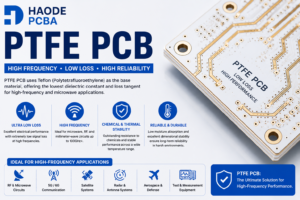
High Frequency Circuit Boards May Use Special Materials Such As PTFE Or Other Low-Loss Laminates For Better Signal Performance.
Rigid-Flex Circuit Boards Combine Rigid Materials And Flexible Materials In One Structure To Save Space And Improve Design Freedom.
Why Circuit Board Materials Matter
The Materials Used In A Circuit Board Affect Its Strength, Electrical Performance, Heat Resistance, And Long-Term Reliability. A Poor Material Choice Can Cause Signal Loss, Thermal Problems, Weak Durability, Or Manufacturing Difficulties. A Good Material Choice Helps The Electronic Circuit Board Perform Better In Real Applications.
For Example, A Standard PCB Board For Consumer Electronics May Use FR4, While A High-Power Product May Need Aluminum Core Material. A Compact Wearable Device May Need A Flexible Printed Circuit Board Instead Of A Rigid One.
Are Circuit Boards Made Of Plastic?
Some People Think A Circuit Board Is Made Only Of Plastic, But That Is Not Exactly Correct. While The Base Material Contains Resin And Insulating Layers, A Printed Circuit Board Is Actually Made From A Combination Of Fiberglass, Epoxy Resin, Copper, Protective Coatings, And Surface Finishes. In Other Words, A Circuit Board Is A Composite Structure, Not Just A Plastic Part.
Conclusion
So, What Are Circuit Boards Made Of? Most Circuit Boards Are Made Of A Non-Conductive Base Material Like FR4, Conductive Copper Layers, Solder Mask, Silkscreen Markings, And Surface Finishes That Protect The Board And Support Assembly. Depending On The Application, A Printed Circuit Board May Also Use Polyimide, Aluminum, Or Other Special Materials.
These Materials Work Together To Create A Strong, Reliable, And Functional Platform For Modern Electronics. Whether You Call Them Circuit Boards, PCB Boards, Electronic Circuit Boards, Or Printed Wiring Boards, Their Material Structure Is What Makes Electronic Products Possible.