Printed Circuit Board, Commonly Called A PCB, Is More Than Just A Platform For Electronic Components. It Is The Foundation Of Modern Electronic Products And A Critical Part Of Product Design, Manufacturing, Testing, And Innovation. When People Ask About Stuff To Do In PCB, The Topic Can Cover A Wide Range Of Activities, From PCB Design And Prototyping To PCB Assembly, Testing, Repair, And Product Development.
Whether You Are An Engineer, A Student, A Hardware Startup, Or An Electronics Manufacturer, There Are Many Valuable Things You Can Do With A PCB. A Circuit Board Can Be Used To Build Functional Devices, Improve Product Performance, Test New Ideas, Learn Electronics, And Support Scalable Manufacturing. Understanding The Different Uses Of A PCB Helps Show Why Printed Circuit Boards Remain Essential In Nearly Every Industry.
Design Electronic Circuits
One Of The Most Important Things To Do In PCB Is Circuit Design. Before A Board Can Be Manufactured, Engineers Must Create The Electrical Schematic, Select Components, And Build The PCB Layout. This Process Includes Routing Traces, Defining Layers, Setting Pad Sizes, Managing Grounding, And Planning Signal Paths.
PCB Design Is Used In Consumer Electronics, Industrial Equipment, Medical Devices, Automotive Systems, Communication Products, And Smart Hardware. A Well Designed Circuit Board Improves Electrical Performance, Reliability, And Manufacturability.
Build Prototype Boards
PCB Prototyping Is Another Major Use Of A Printed Circuit Board. A Prototype PCB Allows Designers To Test A New Product Before Full Production Begins. This Step Helps Verify Electrical Function, Mechanical Fit, Signal Integrity, Thermal Behavior, And Overall Product Performance.
Prototype Boards Are Common In Research And Development, Startup Hardware Projects, Embedded Systems, IoT Devices, And New Product Engineering. Building A Prototype PCB Helps Identify Problems Early And Reduce Risk Before Mass Production.
Assemble Electronic Components
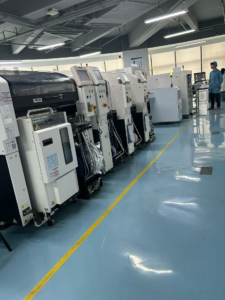
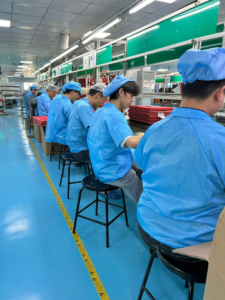
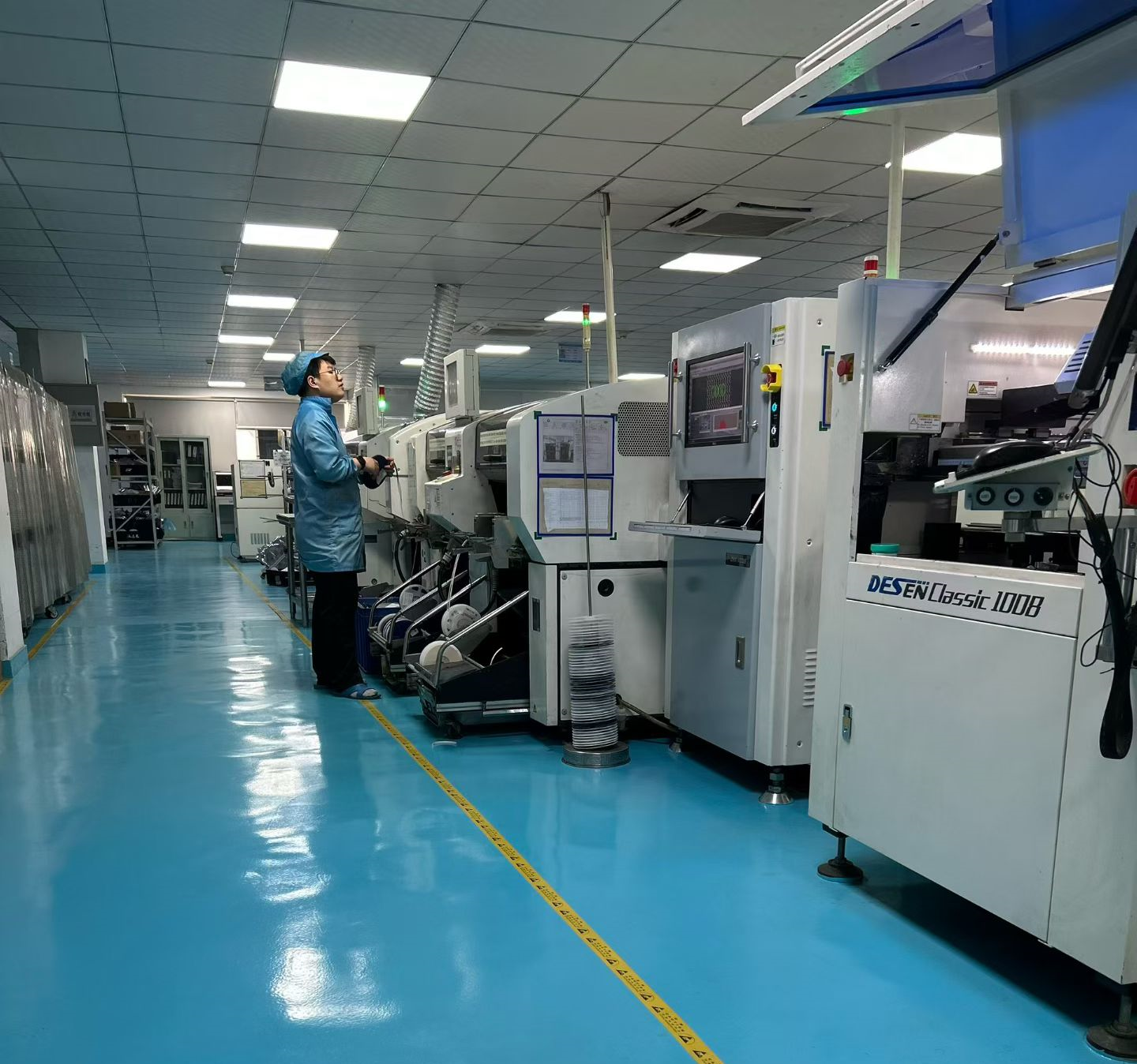
A Bare PCB Becomes Functional Only After Components Are Added. That Is Why PCB Assembly Is One Of The Most Important Things To Do In PCB. During The Assembly Process, Manufacturers Mount Resistors, Capacitors, Integrated Circuits, Connectors, And Other Parts Onto The Board.
This May Include SMT Assembly, Through-Hole Assembly, Or Mixed Technology Assembly. PCB Assembly Transforms A Designed Board Into A Working Electronic Circuit That Can Power Real Products And Systems.
Test Circuit Performance
Testing Is A Critical Part Of Any PCB Project. Once A Board Is Designed And Assembled, It Must Be Checked To Confirm That It Works Correctly. PCB Testing Can Include Electrical Testing, Functional Testing, In-Circuit Testing, Continuity Checks, And Signal Measurement.
This Step Helps Detect Open Circuits, Short Circuits, Incorrect Component Placement, Weak Solder Joints, And Design Problems. Testing Improves Product Quality And Helps Ensure The PCB Assembly Performs As Expected In Real Use.
Repair And Rework Boards
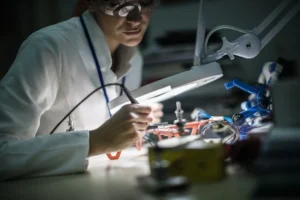
Another Important Thing To Do In PCB Is Repair Or Rework. Not Every Board Is Perfect On The First Build, And Some Products Need Component Replacement, Trace Repair, Solder Correction, Or Engineering Changes. PCB Rework Is Common During Prototype Development, Small Batch Production, And Product Maintenance.
Technicians May Replace Damaged Components, Fix Soldering Problems, Add Jumpers, Modify Connections, Or Update Board Assemblies Based On Testing Results. Repair And Rework Help Save Cost And Improve Product Completion Rates.
Develop Embedded Systems
Printed Circuit Boards Are Widely Used In Embedded System Development. Engineers Use PCBs To Build Control Boards For Smart Devices, Automation Systems, Consumer Products, Sensors, And Communication Modules. A PCB Makes It Possible To Integrate Microcontrollers, Power Circuits, Interfaces, And Signal Processing Functions Into One Compact Platform.
For Embedded Hardware Teams, One Of The Most Valuable Things To Do In PCB Is Build A Custom Board That Matches The Exact Needs Of The Product Instead Of Relying On Standard Development Modules.
Create IoT Devices
PCBs Are At The Heart Of Most IoT Products. Smart Home Devices, Wireless Sensors, Tracking Systems, Remote Controls, And Connected Industrial Equipment All Depend On Printed Circuit Boards. A PCB Can Hold The Main Control Chip, Wireless Module, Power Management Circuit, Sensors, And Interface Components In One Efficient Design.
For Developers Working On Smart Hardware, Stuff To Do In PCB Often Includes Designing Small Form Factor Boards, Integrating Wireless Functions, Improving Power Efficiency, And Preparing Products For Scalable Manufacturing.
Improve Product Miniaturization
Modern Electronics Continue To Become Smaller, Lighter, And More Powerful. One Of The Most Important Things To Do In PCB Is Support Compact Product Design. By Using Multilayer Boards, Fine Pitch Routing, Surface Mount Technology, And High Density Layouts, Engineers Can Fit More Functions Into Less Space.
This Is Essential In Wearable Devices, Portable Electronics, Communication Products, Medical Equipment, And Advanced Consumer Electronics. PCB Technology Makes Modern Miniaturization Possible.
Support Power And Control Functions
Printed Circuit Boards Are Also Used In Power Electronics And Control Systems. Power Supply Boards, Motor Control Circuits, LED Drivers, Inverter Boards, Battery Management Systems, And Industrial Controllers All Depend On PCBs.
These Applications Often Require Careful Layer Design, Wider Copper Traces, Thermal Management, And Strong Electrical Reliability. For Many Industrial And Commercial Products, A PCB Is The Core Platform For Stable Control And Power Distribution.
Learn Electronics And Engineering Skills
For Students And Beginners, A PCBA Is A Great Tool For Learning. Building A Simple Printed Circuit Board Project Helps Teach Schematic Reading, Component Identification, Soldering, Circuit Function, Testing, And Troubleshooting.
Educational PCBA Projects Can Include LED Boards, Sensor Circuits, Power Modules, Amplifier Boards, And Microcontroller Systems. Working With A Real PCBA Gives Learners Practical Experience That Goes Beyond Theory.
Manufacture Products At Scale
One Of The Most Important Commercial Uses Of A PCBA Is Mass Production. Once A Design Has Been Tested And Approved, The PCBA Can Move Into Volume Manufacturing. This Includes PCBA Fabrication, Component Sourcing, Assembly, Inspection, Testing, And Shipment.
For Electronics Brands And OEM Manufacturers, Stuff To Do In PCBA Includes Building Supply Chains, Optimizing Production Yield, Improving Quality Control, And Preparing Boards For Long Term Product Delivery. A Good PCBA Design Supports Efficient And Scalable manufacturing.
Customize Products For Different Applications
A Printed Circuit Board Can Also Be Customized For Different Markets And Product Variants. Manufacturers Often Use Similar PCB Platforms With Different Components, Firmware, Or Modules to create multiple versions of a product. This makes PCB technology very useful for modular design and product families.
For example, a company may use one main board design for different communication standards, voltage ranges, or feature sets. This reduces development time and improves manufacturing efficiency.
Explore Advanced PCB Technologies
There Are Also More Advanced Things To Do In PCBA, Especially In High Performance Electronics. Engineers Can Work With HDI PCBA, Flexible PCBA, Rigid Flex PCBA, Aluminum PCBA, High Frequency PCBA, Heavy Copper PCBA, And Multilayer PCB Structures.
These Advanced Circuit Board Types Support Specialized Applications Such As RF Products, Aerospace Electronics, Automotive Control Systems, Medical Equipment, And High Power Devices. Exploring These Technologies Helps Engineers Build Better And More Competitive Products.
Conclusion
When People Talk About Stuff To Do In PCBA, The Meaning Goes Far Beyond A Simple Circuit Board. A PCBA Can Be Used For Circuit Design, Prototype Development, Electronic Assembly, Product Testing, Repair, Embedded System Creation, IoT Innovation, Power Control, Learning, And Mass Production.
Printed Circuit Boards Support Nearly Every Stage Of Modern Electronics Development. Whether You Are Building A Prototype, Launching A New Device, Improving Manufacturing Quality, Or Learning Hardware Design, There Are Many Valuable Things To Do In PCBA. That Is Why The Printed Circuit Board Remains One Of The Most Important Foundations Of The Electronics Industry.