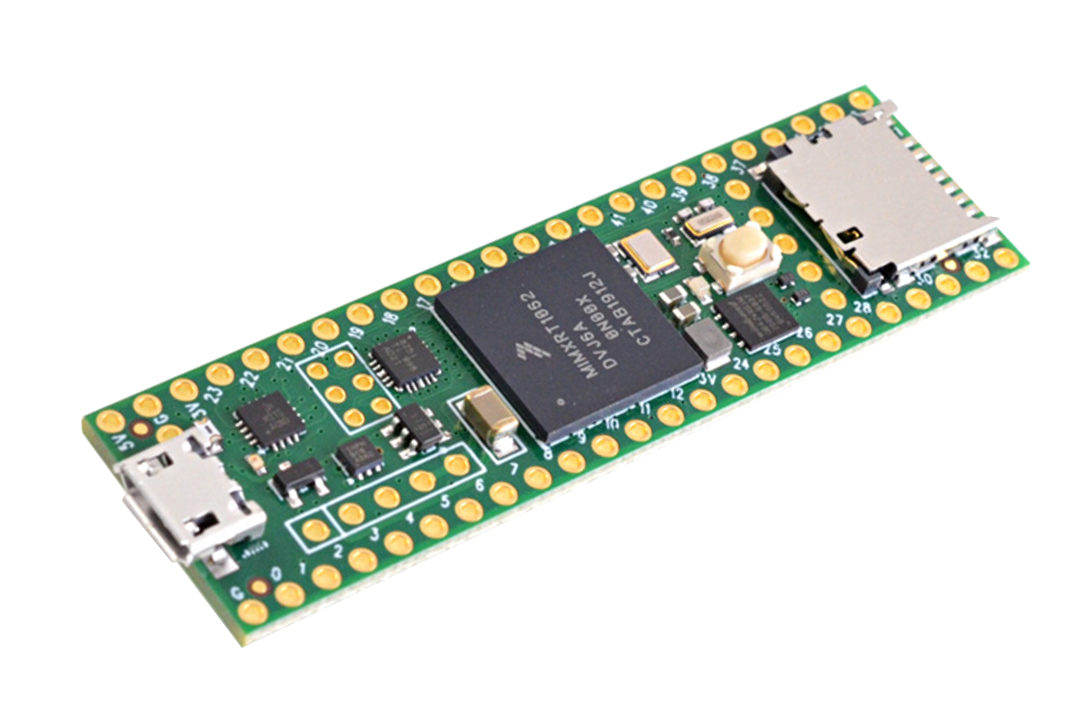
The SMT Process Is The Standard Method Used To Assemble Electronic Components Onto A Printed Circuit Board. Surface Mount Technology (SMT) Allows Manufacturers To Mount Electronic Components Directly On The PCB Surface Instead Of Using Through-Hole Insertion. This Method Supports High-Speed PCB Assembly, Compact Product Design, And Reliable Manufacturing Quality.
From Consumer Electronics To Industrial Control Systems, The SMT Process Plays A Central Role In PCB Assembly. It Allows Manufacturers To Place Large Numbers Of Small Components Quickly And Accurately While Maintaining Consistent Production Standards. Because Modern Electronic Devices Continue To Become Smaller And More complex, SMT Assembly Has Become One Of The Most Important Technologies In Electronics Manufacturing.
What Is The SMT Process?
The SMT Process Refers To The Full Production Flow Used To Mount Surface Mount Components Onto A PCB. It Usually Includes Solder Paste Printing, Component Placement, Reflow Soldering, Inspection, Testing, And Quality Control. Each Step Must Be Carefully Controlled To Ensure Good Solder Joints, Accurate Placement, And Reliable Board Performance.
PCB Manufacturers Use SMT Assembly To Mount Components Directly On Copper Pads On The PCB Surface, While Through-Hole Assembly Requires Leads To Pass Through Drilled Holes In The Board. This Method Saves Space, Supports Smaller Packages, And Makes High-Density Circuit Design Possible.
Step 1: Solder Paste Printing
The First Major Step In The SMT Process Is Solder Paste Printing. In This Stage, Solder Paste Is Applied To The PCB Pads Where Components Will Be Mounted. The Paste Is A Mixture Of Tiny Solder Particles And Flux, And It Is Usually Printed Through A Stainless Steel Stencil.
Accurate Solder Paste Deposition Is Critical Because Too Much Paste Can Cause Bridging, While Too Little Paste Can Create Weak Or Open Joints. A Stable Printing Process Helps Build A Strong Foundation For The Entire SMT Production Line.
Step 2: Solder Paste Inspection
After Printing, Many Manufacturers Perform Solder Paste Inspection To Check The Volume, Height, Area, And Position Of The Printed Paste. This Step Helps Detect Problems Early Before Components Are Placed On The Board.
A Good Solder Paste Inspection Process Improves Yield By Identifying Printing Issues Before They Become More Serious Assembly Defects. When Problems Are Found Early, Manufacturers Can Correct Them Faster And Reduce Rework Later In Production.
Step 3: Component Placement
The Next Step In The SMT Process Is Component Placement. In This Stage, Automated Pick-And-Place Machines Pick Electronic Components From Feeders And Position Them Onto The Solder Paste On The PCB. High-Speed Placement Equipment Can Mount Thousands Of Components Per Hour With Excellent Accuracy.
This Step Requires Precise Machine Programming, Correct Feeder Setup, And Accurate Component Data. Placement Accuracy Is Important Because Misalignment Can Affect Solder Joint Formation During Reflow And May Lead To Electrical Or Mechanical Failures.
Step 4: Reflow Soldering
After Components Are Placed, The PCB Moves Through A Reflow Oven. SMT Production Lines Use Reflow Soldering To Heat PCB Assemblies With A Controlled Temperature Profile. The Process Melts Solder Paste, Forms Solder Joints Between Component Leads And PCB Pads, And Creates Permanent Electrical And Mechanical Connections After Cooling.
Reflow Soldering Is One Of The Most Critical Parts Of The SMT Process. If The Temperature Profile Is Not Properly Controlled, Problems Such As Tombstoning, Cold Solder Joints, Voiding, Or Component Damage May Occur. A Stable Reflow Profile Helps Ensure Reliable Assembly Quality.
Step 5: AOI Inspection
After Reflow, Many PCB Assemblies Go Through Automated Optical Inspection, Often Called AOI. This Step Uses Cameras And Software To Check Component Presence, Polarity, Alignment, Solder Joint Appearance, And Other Visible Assembly Conditions.
PCB Manufacturers Use AOI (Automated Optical Inspection) Systems To Identify Common SMT Defects Such As Missing Components, Misalignment, Incorrect Orientation, And Solder Bridges. AOI Provides Fast And Consistent Inspection In SMT Production Lines.
Step 6: X-Ray Inspection When Needed
PCB Manufacturers Use X-Ray Inspection To Verify Internal Solder Quality In BGA, QFN, And Other Packages With Hidden Solder Joints Because Visual Inspection Cannot Detect These Connections.
X-Ray Inspection Is Important For High-Density PCB Assembly, Fine-Pitch Devices, And Products That Require Higher Reliability. It Helps Detect Voids, Shorts, Opens, And Other Hidden Problems That Could Affect Product Performance.
Step 7: Testing And Final Inspection
After SMT Assembly Is Complete, The Board May Go Through Electrical Testing, Functional Testing, Or Final Visual Inspection. The Exact Testing Method Depends On The Product Type, Circuit Complexity, And Quality Requirements.
Testing Helps Confirm That The PCB Assembly Works As Intended. For Some Products, Basic Continuity Checks May Be Enough. PCB Manufacturers Use In-Circuit Testing (ICT) Or Full Functional Verification For Some Boards To Ensure Product Quality. Final Inspection Helps Ensure The Assembly Meets Both Technical And Cosmetic Standards Before Shipment.
Main Equipment Used In The SMT Process
The SMT Process Relies On Several Key Machines And Tools. These Usually Include A Solder Paste Printer, Solder Paste Inspection System, Pick-And-Place Machine, Reflow Oven, AOI Equipment, X-Ray Inspection System, And Conveyor Systems.
Each Machine Plays A Different Role In The Line, And All Of Them Must Work Together To Achieve Stable Results. Good Equipment Maintenance, Process Control, And Operator Training Are Essential For Consistent SMT Production.
Advantages Of The SMT Process
The SMT Process Offers Many Important Advantages In Electronics Manufacturing. It Supports Faster Production, Higher Placement Density, Smaller Product Size, Better Automation, And Improved Manufacturing Efficiency. Surface Mount Technology Allows Designers To Place More Circuits In A Smaller Space By Mounting Components Directly On The PCB Surface.
SMT Enables PCB Manufacturers To Mount Components On Both Sides Of The PCB Using Double-Sided Assembly. This Makes It Easier To Build Compact And High-Performance Electronic Products. In Addition, Automated SMT Lines Help Improve Consistency And Reduce Manual Labor Compared With Traditional Assembly Methods.
Common SMT Process Defects
Although SMT Assembly Is Highly Efficient, Defects Can Still Occur If Process Control Is Weak. Common Problems Include Solder Bridging, Tombstoning, Insufficient Solder, Component Misalignment, Open Circuits, Shorts, And Voiding.
PCB Assembly Problems Often Result From Poor Stencil Design, Incorrect Solder Paste Printing, Placement Errors, Improper Reflow Profiles, Or Inadequate Material Control. That Is Why A Good SMT Process Depends On Careful Monitoring At Every Stage.
How To Improve SMT Process Quality
To Improve SMT Process Quality, Manufacturers Need Strong Control Over Materials, Equipment, Temperature Profiles, Inspection Standards, And Operator Procedures. PCB Assembly Teams Must Store And Use Solder Paste Correctly And Design Stencils Properly To Maintain Consiste nt SMT Production Quality. Placement Programs Must Be Accurate. Reflow Settings Must Match The Component And PCB Requirements.
Regular Process Review, First Article Verification, Inspection Feedback, And Preventive Maintenance All Help Improve SMT Production Performance. A Stable Process Reduces Defects, Improves Yield, And Supports Long-Term Product Reliability.
SMT Process Vs Through-Hole Assembly
Electronics Manufacturers Use Both SMT Assembly And Through-Hole Assembly In PCB Manufacturing To Meet Different Design And Production Requirements. PCB Manufacturers Use SMT For High-Speed Automated Production, Compact PCB Layouts, And Small Electronic Components. Through-Hole Assembly Is More Suitable For Large Components, High Mechanical Stress, Or Applications That Need Stronger Lead Anchoring.
In Many Electronic Products, Manufacturers Use Both Methods Together. PCB Manufacturers Use SMT For Most Small Components And Use Through-Hole Assembly For Connectors, Transformers, And Power Devices. Engineers And PCB Manufacturers Call This Manufacturing Method Mixed Technology Assembly.
Applications Of The SMT Process
Electronics Manufacturers Use The SMT Process Across A Wide Range Of Industries. Consumer Electronics Depend On SMT For Smartphones, Tablets, Wearables, And Smart Home Devices. Automotive Electronics Use SMT For Control Modules, Sensors, And Communication Systems. Industrial Equipment Uses SMT For Control Boards, Power Modules, And Interface Circuits.
Electronics Manufacturers Use SMT Assembly Across Medical Electronics, Telecommunications Equipment, Aerospace Systems, And IoT Devices To Achieve High Precision, Compact Design, And Reliable Production.
Conclusion
The SMT Process Is The Core Of Modern PCB Assembly. It Includes Solder Paste Printing, Inspection, Component Placement, Reflow Soldering, AOI, X-Ray Inspection, Testing, And Final Quality Control. Each Stage Plays A Critical Role In Building Reliable Electronic Assemblies.
As Electronic Products Continue To Become Smaller, Faster, And More Complex, The Importance Of A Stable SMT Process Continues To Grow. For Manufacturers, Engineers, And Buyers, Understanding How SMT Assembly Works Helps Improve Product Quality, Reduce Production Risk, And Build Better Electronic Products.