In Modern Electronics Design, Engineers Often Need More Than A Single Circuit Board To Achieve The Required Functions, Size, And Layout Efficiency. That Is Why PCB On PCBA Design Has Become A Practical Solution For Many Electronic Products. Instead Of Placing All Components And Circuits On One Large Board, Designers Connect One Printed Circuit Board Directly To Another To Create A More Compact, Flexible, And Modular System. The Term “PCB On PCB” Is Commonly Used In Industry To Describe This Kind Of Board-To-Board Structure, Even Though It Is Not A Formal Technical Standard.
PCB On PCBA Design Is Widely Used In Products That Need Space Saving, Functional Separation, Or Easier Product Upgrades. In Many Cases, A Main Board Handles Power Distribution And Core Control, While A Secondary Board Supports Wireless Communication, Sensor Functions, Display Control, Or Other Specialized Circuits. This Approach Helps Engineers Organize Complex Systems More Efficiently And Improve Mechanical Integration In Compact Devices.
What Is PCB On PCB?
PCB On PCBA Refers To A Structure In Which One Printed Circuit Board Is Mounted, Connected, Or Integrated Directly With Another Circuit Board. This May Be Done Through Board-To-Board Connectors, Pin Headers, Mezzanine Connectors, Castellated Holes, Vertical Mounting, Or Other Mechanical And Electrical Linking Methods. In Simple Terms, It Means One Board Works Together With Another Board As Part Of The Same Electronic System.
This Design Method Is Different From A Traditional Single-Board Layout Because It Splits Functions Across Multiple Boards. Instead Of Forcing All Circuits Into One PCBA, Engineers Can Separate High-Density Logic, RF Sections, Power Circuits, Or Interface Modules Into Different Boards That Work As One Assembly. This Makes The Product More Flexible And Easier To Customize For Different Applications.
Common PCB On PCB Design Methods
One Common Method Is Stacked PCBA Design. In This Structure, A Smaller Daughter Board Is Mounted Above A Main Board Using Connectors And Spacers. This Layout Saves Surface Area And Helps Build Compact Electronic Systems. It Is Frequently Used In Embedded Systems, Communication Devices, And Control Modules.
Another Method Is Vertical PCB On PCBA Mounting. In This Arrangement, A Smaller Board Stands Upright On The Main Board At A 90-Degree Angle. This Design Can Save Horizontal Space And Is Useful In Products With Tight Width Limitations. It Also Helps Separate Certain Functional Circuits More Clearly Within The Product Structure.
A Third Method Uses Castellated Holes Or Edge Connections. In This Design, A Secondary Board Is Mounted Directly Onto The Surface Of The Main Board Like A Module. This Method Is Common In Wireless Modules, IoT Boards, And Compact Electronic Assemblies Where A Small Functional PCBA Needs To Be Added Efficiently.
Why PCB On PCB Design Is Important
PCB On PCBA Design Helps Save Space In Modern Electronic Products. As Devices Become Smaller And More Powerful, Designers Need Better Ways To Integrate More Functions Without Increasing Product Size. Mounting One PCBA On Another Allows A More Efficient Use Of Three-Dimensional Space Than A Traditional Flat Layout.
It Also Supports Modular Product Development. When Different Functions Are Separated Into Different Boards, Manufacturers Can Change Or Upgrade One Module Without Redesigning The Entire Main Board. This Is Useful For Product Families That Share A Common Platform But Require Different Features, Communication Standards, Or Performance Levels.
Another Benefit Is Easier Functional Separation. Sensitive RF Circuits, Power Management, Sensor Interfaces, Or High-Speed Processing Sections Can Be Organized More Effectively When They Are Divided Across Multiple Boards. This Can Help Improve Product Architecture And Make Future Design Changes More Manageable.
Applications Of PCB On PCB
PCB On PCBA Structures Are Used In Many Modern Products. Consumer Electronics Often Use Small Daughter Boards For Wireless Connectivity, Display Functions, Or Power Modules. Industrial Equipment May Use Board-To-Board Structures To Separate Control Logic From Interface Or I/O Sections. IoT Devices Frequently Use Small Communication Modules Mounted Onto Main Boards Through Castellated Connections Or Board Connectors.
This Design Style Is Also Common In Embedded Systems, Smart Devices, Portable Electronics, Communication Hardware, And Custom Electronic Modules. Whenever Designers Need Compact Integration, Easy Maintenance, Or Functional Modularity, PCB On PCBA Architecture Becomes A Valuable Option.
Key Design Considerations
Although PCB On PCBA Offers Many Advantages, It Also Requires Careful Engineering. Mechanical Stability Is Very Important Because The Connection Between Boards Must Remain Secure During Vibration, Handling, And Long-Term Use. Designers Must Choose Suitable Connectors, Mounting Methods, And Support Structures Based On The Product Environment.
Signal Integrity Is Another Important Factor. Long Connectors, Poor Routing, Or Weak Grounding Between Boards Can Affect High-Speed Signals And Sensitive Circuits. Engineers Must Evaluate Trace Paths, Connector Performance, Return Current Flow, And Electromagnetic Interference When Designing Multi-Board Systems.
Thermal Management Also Matters. When Boards Are Stacked Closely Together, Airflow May Be Reduced And Heat Dissipation May Become More Difficult. Designers Must Consider Component Placement, Thermal Paths, And System Cooling To Prevent Overheating In Compact Assemblies.
Power Distribution Must Be Planned Carefully As Well. A PCB On PCBA Structure Adds Another Layer Of Complexity Because Power Must Be Delivered Reliably Between Boards Without Causing Excessive Noise, Voltage Drop, Or Instability. Good Decoupling, Proper Connector Selection, And Stable Power Routing Are Essential For Reliable Performance.
Manufacturing And Assembly Challenges
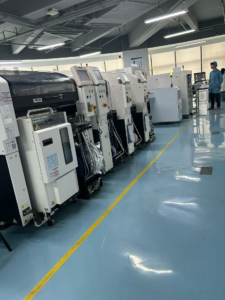
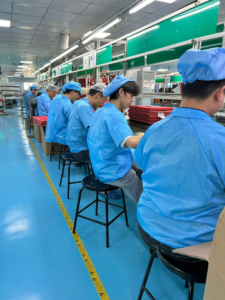
PCB On PCBA Assemblies Require Precise Alignment And Reliable Interconnection. If Connectors, Headers, Or Castellated Modules Are Not Positioned Correctly, Mechanical Fit And Electrical Performance Can Both Be Affected. Assembly Quality Is Especially Important In High-Density Or Compact Products Where Tolerances Are Tight.
Manufacturers Must Also Consider Inspection And Testing. When Multiple Boards Are Combined Into One System, Access To Certain Test Points May Become More Difficult. Assembly Planning Should Include Functional Testing, Electrical Verification, And Mechanical Validation To Confirm That The Full Multi-Board Structure Works Correctly After Integration.
Benefits Of PCB On PCB Architecture
One Of The Biggest Benefits Of PCB On PCBA Is Better Space Utilization. It Allows Engineers To Move Beyond A Flat Layout And Use Vertical Design Space More Efficiently. This Is Very Helpful In Compact Consumer Electronics And Embedded Products.
Another Benefit Is Design Flexibility. By Separating Functions Into Different Boards, Teams Can Reuse Modules Across Different Products, Upgrade Features More Easily, And Reduce Redesign Time For Future Versions. This Improves Both Engineering Efficiency And Product Scalability.
PCB On PCBA Also Supports Better Product Customization. A Single Main Board Can Work With Different Add-On Boards For Different Markets, Features, Or Communication Standards. This Helps Manufacturers Build Product Variants Without Creating A Completely New System Every Time.
Conclusion
PCB On PCBA Is A Practical Design Approach In Which One Printed Circuit Board Connects Directly To Another To Build A More Compact, Modular, And Functional Electronic System. It Is Commonly Used In Stacked Boards, Vertical Board Structures, Castellated Modules, And Other Board-To-Board Designs. Although The Term Is Informal, It Describes A Valuable Engineering Method Used Across Modern Electronics.
When Designed Correctly, PCB On PCBA Architecture Helps Save Space, Improve Product Flexibility, Support Modular Development, And Simplify Functional Integration. For Engineers And Manufacturers Working On Compact Devices, Smart Hardware, IoT Modules, And Embedded Systems, PCBs On PCBA Remains An Effective Solution For Advanced Electronic Design.