Complete Guide To PCB Parts, Electronic Components, And Board Functions
Circuit Board Components are the essential parts that allow a printed circuit board to perform electrical, control, and signal-processing functions. Without these components, a circuit board is only a platform. Once the right parts are mounted and connected, the board becomes a working electronic system.
In electronics manufacturing, Circuit Boards Components may also be described as PCB components, electronic board parts, printed circuit board parts, PCBA components, or electronic components on a circuit board. These parts include both active and passive devices, as well as connectors, control chips, and support hardware.
What Are Circuit Board Components
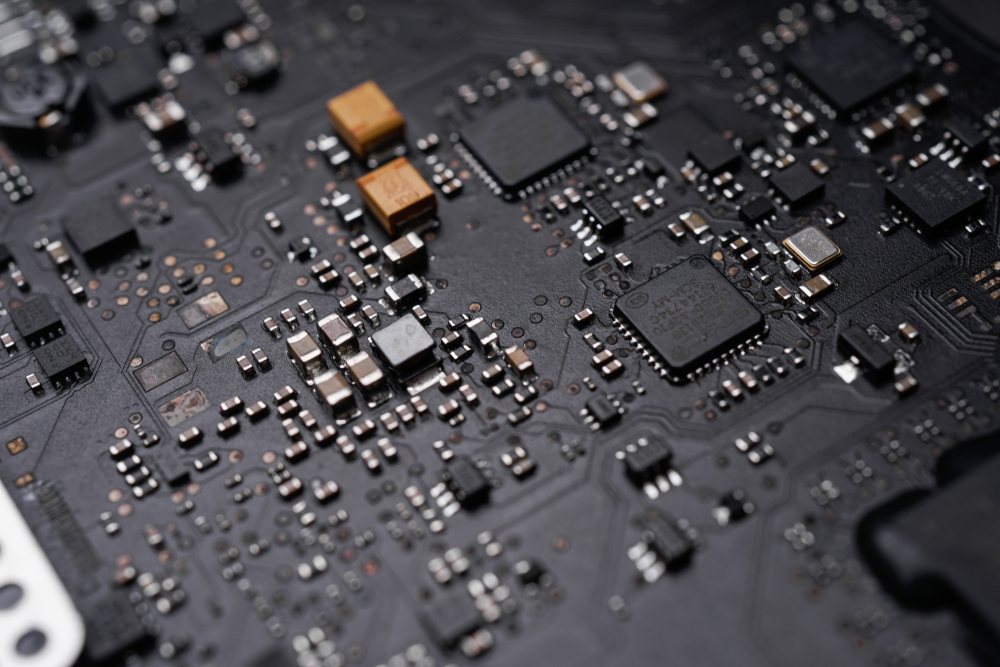
Circuit Board Components are the electrical and electronic parts mounted on a PCB to create a functional circuit. They are connected through copper traces on the board and work together to manage power, signals, data, and control functions.
A complete circuit board may include:
- Resistors
- Capacitors
- Inductors
- Diodes
- Transistors
- Integrated Circuits
- Connectors
- Relays
- Sensors
- Switches
Each component has a specific job, and the performance of the full board depends on how these parts are selected, placed, and connected.
Why Circuit Board Components Matter
The quality and arrangement of Circuit Board Components directly affect boards performance, reliability, and manufacturing quality. Even a well-designed PCB layout will not function correctly if the wrong components are used or if assembly quality is poor.
Good component selection helps improve:
- Electrical Performance
- Signal Stability
- Power Efficiency
- Thermal Management
- Product Reliability
- Manufacturing Consistency
- Long-Term Durability
For OEMs, engineers, and PCB assembly companies, component quality is one of the most important parts of product success.
Main Types Of Circuit Board Components
Most Circuit Board Components can be divided into active components, passive components, electromechanical components, and connection parts.
Active Circuit Board Components
Active Components require electrical power to operate and usually control or amplify signals.
Common active components include:
- Integrated Circuits
- Microcontrollers
- Processors
- Transistors
- Diodes
- MOSFETs
- Operational Amplifiers
These parts are often responsible for logic, control, signal switching, and power regulation.
Passive Circuit Board Components
Passive Components do not amplify signals, but they are essential for controlling voltage, current, filtering, and timing.
Common passive components include:
- Resistors
- Capacitors
- Inductors
- Ferrite Beads
- Transformers
These parts support signal conditioning, filtering, energy storage, and circuit stability.
Electromechanical Components
Some Circuit Board Components combine electrical and mechanical functions.
Examples include:
- Relays
- Switches
- Buzzers
- Fans
- Motor Drivers
- Solenoids
These parts are commonly used in control systems, industrial equipment, and consumer products.
Interconnection Components
A circuit board also needs parts that connect it to other systems, cables, or devices.
Common connection parts include:
- Pin Headers
- Terminal Blocks
- USB Connectors
- Power Jacks
- Sockets
- Board-To-Board Connectors
- Cable Connectors
These components help the PCB communicate with external hardware or receive power.
Common Circuit Board Components And Their Functions
Resistors
Resistors limit electrical current and help control voltage in a circuit. They are one of the most common Circuit Boards Components and are used in nearly every electronic product.
Capacitors
Capacitors store and release electrical energy. They are used for filtering, smoothing voltage, timing, and signal stabilization.
Inductors
Inductors store energy in a magnetic field and are often used in filtering, power conversion, and RF circuits.
Diodes
Diodes allow current to flow in one direction and are used for rectification, protection, and signal control.
Transistors
Transistors act as switches or amplifiers in electronic circuits. They are key components in logic control, signal processing, and power electronics.
Integrated Circuits
Integrated Circuits, or ICs, combine many electronic functions into a small package. They may perform processing, memory, timing, communication, or control functions.
Connectors
Connectors make it possible for the board to connect to power sources, cables, displays, sensors, or other circuit boards.
Relays
Relays are electrically controlled switches often used in industrial control boards, home appliances, and power systems.
Sensors
Sensors detect temperature, pressure, humidity, motion, light, gas, or position and send data to the control system.
Surface Mount And Through-Hole Circuit Board Components
Circuit Boards Components are usually installed using one of two main assembly methods.
Surface Mount Components
Surface Mount Components, also called SMD components, are mounted directly on the surface of the PCB. They are widely used in modern electronics because they support compact design and automated assembly.
Advantages include:
- Smaller Size
- Higher Component Density
- Faster Assembly
- Better Suitability For High-Volume Production
Through-Hole Components
Through-Hole Components have leads that go through drilled holes in the PCB and are soldered in place. These parts are often used when stronger mechanical connection is needed.
They are common in:
- Connectors
- Transformers
- High-Power Components
- Industrial Equipment
- Prototype Boards
Many circuit boards use a combination of surface mount and through-hole parts.
Circuit Board Components In Different Applications
The exact Circuit Boards Components used will vary depending on the type of product.
Consumer Electronics
Common parts include microcontrollers, capacitors, resistors, sensors, connectors, and display drivers.
Industrial Control Boards
Industrial PCBs often use relays, terminal blocks, power regulators, microcontrollers, optocouplers, and heavy-duty connectors.
Power Supply Boards
Power boards include transformers, diodes, MOSFETs, capacitors, inductors, and feedback control ICs.
LED Lighting Boards
LED circuit boards often use resistors, capacitors, LED chips, drivers, and thermal management components.
Automotive Electronics
Automotive PCBs may include sensors, controllers, power transistors, communication ICs, and durable connectors.
How Circuit Board Components Are Selected
Choosing the right Circuit Boards Components depends on several technical and commercial factors.
Important considerations include:
- Electrical Specifications
- Voltage And Current Rating
- Tolerance
- Package Size
- Thermal Performance
- Frequency Requirement
- Environmental Resistance
- Reliability Level
- Cost And Availability
- Assembly Compatibility
Good component selection improves performance and reduces manufacturing risk.
Common Problems Related To Circuit Board Components
Poor-quality or damaged Circuit Boards Components can lead to many common boards failures.
Typical issues include:
- Burnt Resistors
- Swollen Capacitors
- Failed ICs
- Broken Connectors
- Cold Solder Joints
- Incorrect Component Values
- Overheating Power Devices
- Corroded Leads
- Loose Mechanical Parts
This is why inspection, testing, and proper sourcing are important in PCB assembly.
Circuit Board Components And PCB Assembly
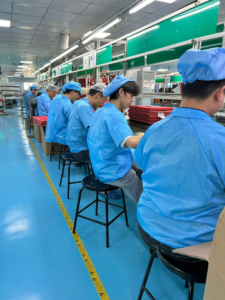
Engineers Add External Modules When A Project Requires WiFi Or Bluetooth, And This Often Increases Hardware Complexity, PCB Size, Cost, And Development Effort. The assembly process may include:
- Solder Paste Printing
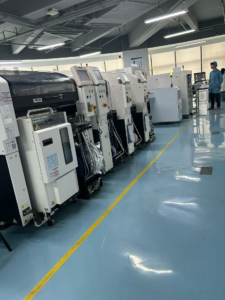
- Pick And Place Assembly
- Reflow Soldering
- Through-Hole Insertion
- Wave Soldering
- Inspection And Testing
The final boards quality depends not only on the PCB itself, but also on the quality of the Circuit Boards Components and the assembly process.
Why High-Quality Circuit Board Components Matter
Using high-quality Circuit Boards Components offers several advantages.
Better Product Reliability
Reliable parts reduce the risk of early failure and improve long-term performance.
Stronger Electrical Stability
Accurate and consistent components support better signal control and power management.
Improved Manufacturing Yield
Good components reduce assembly defects and improve production consistency.
Better Performance In Demanding Environments
Industrial, automotive, and medical products need high-quality parts for stable operation.
Conclusion
Circuit Boards Components are the working elements that turn a PCB into a functional electronic system. From resistors, capacitors, and inductors to ICs, transistors, connectors, relays, and sensors, each part plays a specific role in controlling power, signals, and device behavior.
For manufacturers, engineers, buyers, and electronics brands, understanding Circuit Boards Components is essential for better PCB design, stronger assembly quality, and more reliable product performance. A well-built circuit boards always depends on the right combination of components, correct layout, and stable manufacturing processes.