PCBAs Are The Functional Heart Of Modern Electronic Products. While A Bare PCB Only Provides The Physical And Electrical Foundation, PCBAs, Also Known As Printed Circuit Board Assemblies, Assembled PCBs, Populated Circuit Boards, Electronic Circuit Assemblies, Or Circuit Board Assemblies, Become Fully Usable Only After Components Are Mounted, Soldered, And Inspected. From Consumer Electronics And Industrial Controls To Automotive Systems, Medical Devices, And Communication Equipment, PCBAs Turn A Board Layout Into A Working Electronic System That Can Process Signals, Deliver Power, And Support Real-World Applications.
What Are PCBAs?
PCBAs Are Printed Circuit Boards That Have Already Gone Through The Assembly Process. In Other Words, A Bare PCB Becomes A PCBA After Manufacturers Mount Electronic Components Such As Resistors, Capacitors, Integrated Circuits, Connectors, Sensors, Diodes, And Transistors Onto The Board. This Process Creates A Functional Electronic Assembly That Can Be Tested, Integrated Into A Product, And Used In Final Equipment.
Many Buyers Search For Terms Like PCB Assembly, Printed Circuit Board Assembly, PCBA Manufacturing, Electronic Assembly Services, SMT Assembly, THT Assembly, Or Turnkey PCBA. Although These Terms Have Slightly Different Meanings, They All Relate To The Process Of Converting A Fabricated Circuit Board Into A Complete Working Assembly.
PCB Vs PCBA
A PCB And A PCBA Are Not The Same. A PCB Refers To The Bare Printed Circuit Board Before Components Are Installed. It Includes The Base Material, Copper Traces, Pads, Vias, Solder Mask, And Silkscreen. A PCBA Refers To The Finished Board After Component Placement And Soldering.
This Difference Matters In Electronics Manufacturing. A Bare PCB Only Supports The Circuit Structure, But A PCBA Performs The Actual Electronic Function. That Is Why Searches Such As Bare PCB Vs PCBA, PCB Vs PCB Assembly, Or Difference Between PCB And PCBA Are So Common In The Industry.
How PCBAs Are Made
The Manufacturing Process For PCBAs Usually Starts After The PCB Fabrication Stage Is Complete. First, Solder Paste Is Printed Onto The Pads Of The Bare Board Through A Stencil. Next, Surface Mount Components Are Placed By Automated Pick And Place Machines. Then The Board Passes Through Reflow Soldering, Where Heat Melts The Solder Paste And Creates Electrical Connections.
If The Design Includes Through-Hole Components, Technicians Or Automated Equipment Insert The Leads Into Drilled Holes And Solder Them By Wave Soldering Or Manual Soldering. After Assembly, The Board Goes Through Inspection And Testing To Confirm Solder Joint Quality, Component Placement Accuracy, And Electrical Performance. This Full Workflow Is Often Referred To As The PCBA Process, PCB Assembly Process, Or Electronic Board Assembly Process.
Main Types Of PCBAs
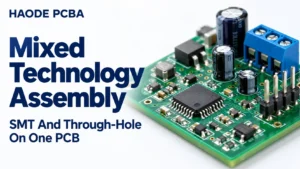
There Are Several Common Types Of PCBAs Based On Assembly Method And Product Complexity. SMT PCB Assembly Uses Surface Mount Technology To Mount Small Components Directly On The Board Surface. Through-Hole PCB Assembly Uses Leaded Components Inserted Through Drilled Holes, Which Often Provides Stronger Mechanical Bonding. Mixed Technology PCB Assembly Combines SMT And Through-Hole Components On The Same Board.
Some Manufacturers Also Offer Turnkey PCB Assembly, Where They Handle PCB Fabrication, Component Sourcing, SMT Placement, THT Assembly, Testing, And Final Delivery. Others Provide Consigned Or Partial Turnkey PCBA Services Based On Customer Needs. These Options Help Buyers Choose The Right Supply Model For Prototypes, Small Batch Runs, Or High-Volume Electronics Manufacturing.
Why PCBAs Are Important
PCBAs Are Important Because They Directly Affect Product Performance, Reliability, And Manufacturing Efficiency. A Well-Built PCBA Supports Stable Signal Transmission, Proper Power Distribution, Good Thermal Management, And Long Service Life. In Contrast, Poor Assembly Quality Can Cause Solder Defects, Component Failure, Intermittent Connections, Or Field Reliability Problems.
For This Reason, High-Quality PCBA Production Is Essential In Industries That Require Strong Quality Control, Such As Medical Electronics, Automotive Electronics, Industrial Control Systems, Security Devices, Communication Equipment, And Consumer Electronics. Buyers Often Look For Reliable PCB Assembly Manufacturers That Can Deliver Consistent Quality, Accurate Component Placement, And Strict Inspection Standards.
Common Components Found In PCBAs
Most PCBAs Include A Mix Of Passive, Active, And Electromechanical Components. Common Parts Include Resistors, Capacitors, Inductors, Diodes, Transistors, Microcontrollers, Processors, Memory Chips, Connectors, Relays, Sensors, LEDs, Oscillators, And Power Management Devices. The Exact Combination Depends On The Function Of The Circuit.
For Example, A Consumer Device PCBA May Focus On Compact SMT Components And High-Speed Signal Routing, While An Industrial Control PCBA May Use More Connectors, Power Devices, And Heavy-Duty Through-Hole Components. This Is Why Custom PCBA Manufacturing Often Requires Careful Review Of Component Type, Board Structure, Thermal Design, And End-Use Environment.
Industries That Use PCBAs
PCBAs Are Used In Almost Every Modern Industry. Consumer Electronics Use Them In Smartphones, Tablets, Smart Home Products, Wearables, Routers, And Audio Devices. Automotive Electronics Use Them In Engine Controls, Displays, Lighting Systems, And Safety Modules. Medical Electronics Depend On PCBAs For Diagnostic Equipment, Monitors, Imaging Systems, And Portable Devices.
Industrial Electronics Also Rely Heavily On PCBAs For Automation Systems, Power Supplies, Motor Controllers, Sensors, And Communication Interfaces. In Addition, Aerospace, Telecommunications, Renewable Energy Equipment, And Security Systems All Use High-Reliability PCB Assemblies To Support Critical Functions.
Key Processes In PCBA Manufacturing
Modern PCBA Manufacturing Depends On More Than Just Component Placement. It Also Requires Precise Solder Paste Printing, Accurate Feeder Setup, Stable Reflow Profiles, Thorough Inspection, And Reliable Functional Testing. SPI, AOI, X-Ray Inspection, ICT, And Functional Testing Are Common Quality Control Steps Used In Professional PCB Assembly Factories.
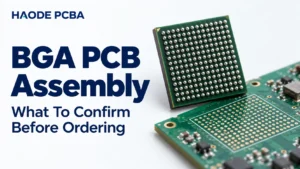
These Processes Help Detect Problems Such As Solder Bridges, Tombstoning, Insufficient Solder, Misalignment, Missing Components, Open Circuits, And Hidden Joint Defects Under BGA Or QFN Packages. For Customers Searching For High-Quality PCBAs, Strong Testing Capability Is Often Just As Important As Assembly Speed Or Low Cost.
How To Choose A PCBA Manufacturer
When Selecting A PCBA Supplier, Buyers Should Consider Production Experience, Quality Management, Equipment Capability, Component Sourcing Strength, Lead Time, And Engineering Support. A Good PCB Assembly Manufacturer Should Understand DFM, Offer Stable SMT And THT Processing, And Maintain Strict Inspection Standards Throughout The Entire Manufacturing Process.
It Is Also Important To Check Whether The Supplier Can Handle Prototype PCB Assembly, Low-Volume PCBA, Or Mass Production PCB Assembly Based On Your Project Needs. Certifications, Traceability, Process Control, And Communication Efficiency Also Matter, Especially For Complex Or High-Reliability Products. Many Buyers Prefer A One-Stop PCBA Manufacturer That Can Provide PCB Fabrication, Assembly, Testing, And Final Integration Under One Roof.
Common Long-Tail Keywords Related To PCBAs
In The Electronics Industry, Buyers Often Search Using More Specific Terms Than Just PCBAs. Common Long-Tail Keywords Include Printed Circuit Board Assembly Services, Custom PCBA Manufacturing, Turnkey PCB Assembly Solution, SMT PCB Assembly Factory, Through-Hole PCB Assembly Service, Prototype PCB Assembly, Low Volume PCBA, High Volume PCB Assembly, Electronic Contract Manufacturing, Box Build Assembly Service, PCBA Testing And Inspection, BGA Assembly Service, Lead-Free PCB Assembly, Quick Turn PCB Assembly, And One-Stop PCB Assembly Manufacturer.
Using These Terms Naturally Helps Explain The Full Scope Of PCBA Production Without Repeating The Same Phrase Too Often. It Also Makes The Content More Relevant To Buyers Searching For Specific Solutions In Google.
Future Trends In PCBAs
The Future Of PCBAs Is Moving Toward Higher Density, Smaller Packages, Faster Production, And Smarter Quality Control. As Electronic Products Become More Compact And More Powerful, PCB Assemblies Must Support Fine-Pitch Components, High-Speed Signals, Better Heat Dissipation, And Greater Reliability. Automated Inspection, Data Traceability, Smart Factory Integration, And Advanced Assembly Equipment Are Becoming More Important Across The Industry.
At The Same Time, Demand For Custom PCBAs, Rapid Prototyping, Flexible Production, And High-Mix Low-Volume Manufacturing Continues To Grow. Manufacturers That Can Combine Quality, Speed, And Engineering Support Will Stay More Competitive In The Global Electronics Market.
Conclusion
PCBAs Are The Working Core Of Modern Electronics Because They Transform Bare Circuit Boards Into Functional Electronic Systems. Whether You Call Them Printed Circuit Board Assemblies, Assembled PCBs, Electronic Assemblies, Or Circuit Board Assemblies, Their Value Comes From Accurate Component Placement, Reliable Soldering, Strong Quality Control, And Application-Specific Design. As Demand Continues To Grow Across Consumer, Industrial, Automotive, And Medical Markets, High-Quality PCBAs Will Remain Essential To Efficient And Reliable Electronics Manufacturing.