Circuit Card Assembly Is A Core Part Of Modern Electronics Manufacturing. A Bare Board Cannot Perform Any Real Function Until Electronic Components Are Mounted, Soldered, Inspected, And Tested. That Complete Process Creates A Working Circuit Card Assembly, Which Is Often Used In Industrial Equipment, Consumer Electronics, Medical Devices, Automotive Systems, Communication Products, And Many Other Electronic Applications.
In Daily Industry Use, People May Also Refer To Circuit Card Assembly As PCB Assembly, PCBA, Electronic Assembly, Or Circuit Board Assembly. Although The Terms Can Vary By Industry And Region, The Main Idea Is The Same. The Goal Is To Turn A Printed Circuit Board Into A Functional Electronic Product That Can Transmit Signals, Distribute Power, And Support Stable Device Performance.
Understanding Circuit Card Assembly
A Circuit Card Assembly Is More Than A Board With Parts On It. It Is A Finished Assembly In Which Components Such As Resistors, Capacitors, Integrated Circuits, Connectors, Sensors, Diodes, And Power Devices Work Together As One Complete System. Every Component Must Be Correctly Positioned, Properly Soldered, And Carefully Verified To Ensure Reliable Operation.
This Is Why Electronic Circuit Card Assembly Plays Such An Important Role In Product Quality. If The Assembly Process Is Weak, Even A Good Circuit Design Can Suffer From Poor Performance, Intermittent Failure, Or Early Product Breakdown. However, When The Assembly Process Is Well Controlled, The Finished Product Can Deliver Better Reliability, Longer Service Life, And More Consistent Electrical Performance.
Circuit Card Assembly Vs PCB Assembly
Many Buyers Ask About The Difference Between PCBs And PCB Assembly. In Most Commercial Situations, The Two Terms Are Very Close In Meaning. PCB Assembly Usually Emphasizes The Process Of Mounting Components Onto A Printed Circuit Board. Circuit Card Assembly Often Sounds More Formal And May Appear More Frequently In Engineering, Industrial, Aerospace, Defense, Or High-Reliability Applications.
Even So, The Practical Meaning Often Overlaps. Both Terms Describe The Process Of Transforming A Bare Board Into A Functional Assembly. For This Reason, Many Manufacturers Naturally Use Related Terms Such As Printed Circuit Board Assembly, Board Assembly Services, PCB Population, And Custom Electronic Assembly When Describing Their Production Capabilities.
Why Circuit Card Assembly Matters
The Importance Of Circuit Card Assembly Lies In Its Direct Effect On Product Function, Stability, And Reliability. A Well-Built Assembly Creates Strong Electrical Connections Between Components And Supports Efficient Signal Flow, Accurate Data Transmission, And Stable Power Delivery. This Is Essential In Products That Must Work Continuously Or Operate Under Demanding Conditions.
For Example, In Industrial Control Equipment, A Reliable Circuit Card Assembly Helps Maintain Stable Machine Operation. Medical Electronics, It Supports Precision And Safety. In Automotive Systems, It Must Handle Vibration, Temperature Changes, And Long-Term Use. In Communication Products, It Must Maintain Signal Quality And High-Speed Performance. Because Of These Demands, High Reliability Circuit Card Assembly Has Become Increasingly Important Across Many Industries.
Main Types Of Circuit Card Assembly
SMT Circuit Card Assembly
Surface Mount Technology, Or SMT, Is One Of The Most Common Methods Used In Modern Circuit Card Assembly. In This Process, Components Are Placed Directly Onto The Surface Pads Of The Board. SMT Supports High Component Density, Faster Automated Production, Compact Design, And Better Suitability For Small Electronic Products.
Because Of These Advantages, SMT Circuit Card Assembly Is Widely Used In Consumer Electronics, Communication Equipment, Smart Devices, Industrial Controls, And Many High-Volume Electronic Products. It Is Especially Useful When Products Need Small Size, Fast Production, And Efficient Automated Assembly.
Through-Hole Circuit Card Assembly
Through-Hole Technology Uses Components With Leads That Pass Through Holes In The Board Before Soldering. This Method Offers Strong Mechanical Bonding And Is Often Used For Connectors, Transformers, Large Components, Power Devices, And Products That Must Withstand Vibration Or Physical Stress.
Although SMT Has Become More Common In Many Sectors, Through-Hole Circuit Card Assembly Still Remains Important In Industrial Equipment, Power Electronics, Automotive Products, And Other Applications That Require Strong Mechanical Support.
Mixed Technology Assembly
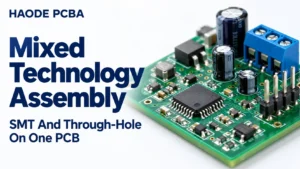
Many Electronic Products Use Both SMT And Through-Hole Methods In The Same Assembly. This Is Often Called Mixed Technology Assembly. It Combines The Compact Advantages Of SMT With The Strength Of Through-Hole Construction. As A Result, It Is A Practical Choice For More Complex Products That Need Different Component Types On The Same Board.
The Circuit Card Assembly Process
A Professional Circuit Card Assembly Process Usually Begins With Engineering Review. At This Stage, The Manufacturer Checks The Design Files, Bill Of Materials, Component Packages, And Production Requirements. This Step Helps Prevent Problems Before The Assembly Line Starts.
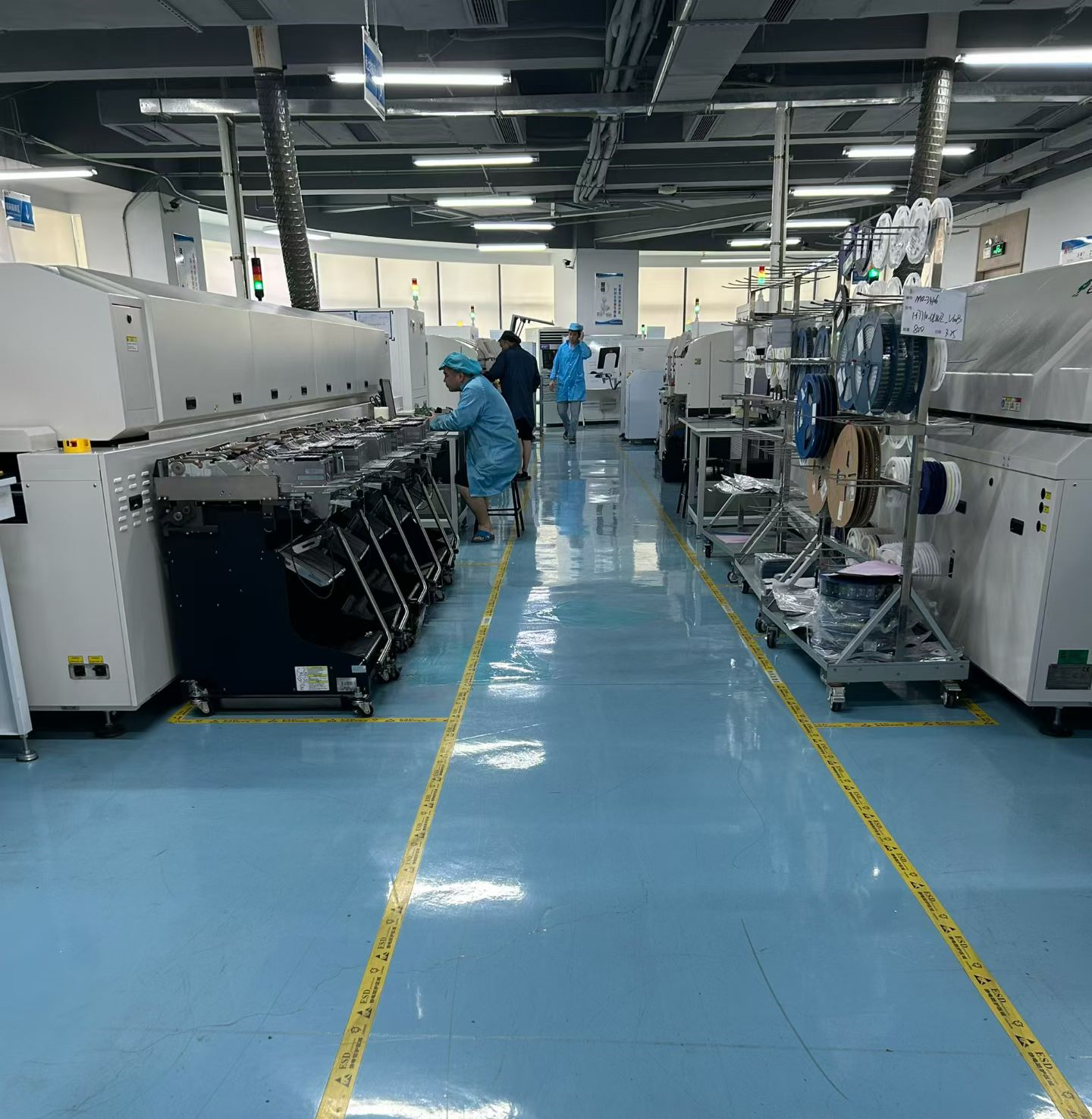
Next Comes Material Preparation And Component Verification. All Parts Must Match The Product Specification. After That, Solder Paste Is Applied To The Board For SMT Production. Automated Machines Then Place Components In Their Correct Positions. The Board Moves Through Reflow Soldering So The Solder Can Form Reliable Electrical And Mechanical Connections.
If The Product Includes Through-Hole Components, Operators Or Specialized Equipment Insert Those Parts Into The Board Before Wave Soldering Or Hand Soldering. After Assembly, The Product Goes Through Cleaning, Inspection, Testing, And Final Verification. This Full Workflow Is Essential For Delivering Turnkey Circuit Card Assembly And High-Quality Electronic Assembly Services.
Quality Control In PCB
Quality Control Is One Of The Most Important Parts Of Circuit Card Assembly Services. Good Manufacturers Do Not Focus Only On Speed. They Also Build A Strong Process For Inspection, Testing, Traceability, And Continuous Improvement.
Incoming Materials Must Be Checked Before Production Starts. During Assembly, Solder Paste Quality, Component Placement Accuracy, And Solder Joint Formation Must Be Carefully Controlled. After Assembly, Inspection Methods Such As Visual Inspection, AOI, X-Ray Inspection, In-Circuit Testing, And Functional Testing Help Confirm That The Product Meets Performance Standards.
Strong Quality Control Reduces Defects, Improves Yield, And Increases Customer Confidence. It Also Helps Manufacturers Deliver More Reliable Custom Circuit Card Assembly Solutions For Products That Need Stable Long-Term Operation.
Applications Of PCBA
Circuit Card Assembly Is Used In Almost Every Electronics Industry. In Consumer Electronics, It Supports Compact And Cost-Efficient Devices. Industrial Control Systems, It Supports Stable Equipment Operation And Long Product Life. In Medical Devices, It Helps Maintain Precision, Reliability, And Product Safety. In Automotive Electronics, It Supports Sensors, Controllers, Displays, And Power Management Systems.
It Is Also Widely Used In Telecommunications, Energy Equipment, Security Systems, Smart Home Products, LED Lighting, Power Supplies, And Embedded Control Products. Because Different Industries Have Different Requirements, Manufacturers Often Offer Prototype PCBA, Low Volume Circuit Card Assembly, High Mix Low Volume Assembly, And Volume Production PCB Assembly To Match Different Project Stages.
How To Choose A Circuit Card Assembly Manufacturer
Choosing The Right Circuit Card Assembly Manufacturer Is Important For Product Quality, Delivery Stability, And Long-Term Cooperation. A Good Supplier Should Offer More Than Basic Production. They Should Also Provide Engineering Support, Clear Communication, Quality Documentation, Testing Capability, And Flexible Manufacturing Solutions.
It Is Also Important To Review The Manufacturer’s Experience With Similar Products. A Supplier With Strong Knowledge In Industrial Electronics May Be Better For Rugged Systems. A Supplier With Advanced SMT Lines May Be Better For Compact High-Density Products. A Company That Offers One-Stop Circuit Card Assembly, Component Sourcing, Testing, And Final Packaging Can Also Help Simplify The Supply Chain.
In Addition, Buyers Should Pay Attention To Lead Time, Quality Systems, Production Capacity, Traceability, And After-Sales Support. These Factors Often Matter As Much As Price, Especially For Products That Need Consistent Performance And Reliable Delivery.
Future Trends In Circuit Card Assembly
The Future Of PCB Is Moving Toward Higher Precision, Greater Automation, Better Data Tracking, And More Advanced Testing. As Electronic Products Become Smaller, Faster, And More Complex, Manufacturers Need Better Equipment, Finer Process Control, And Stronger Quality Management.
At The Same Time, Demand Continues To Grow For High Density Circuit Card Assembly, Advanced PCB Assembly, Precision Electronic Assembly, And More Flexible Production Models. Products Used In AI Hardware, IoT Devices, Renewable Energy Systems, Smart Manufacturing, And Automotive Electronics Will Continue To Push The Industry Toward Better Assembly Technology And Higher Reliability Standards.
Final Thoughts
A Strong Circuit Card Assembly Is The Foundation Of A Reliable Electronic Product. It Connects Components, Supports System Function, And Directly Influences Product Performance, Stability, And Service Life. Whether You Need SMT PCB, Through-Hole PCBA, Turnkey Circuit Card Assembly, Or Custom Electronic Assembly, The Quality Of The Assembly Process Will Always Affect The Final Result.
For Any Company Developing Or Sourcing Electronic Products, Understanding PCB Helps Improve Design Decisions, Manufacturing Planning, Supplier Selection, And Product Reliability. In A Competitive Electronics Market, A Well-Made PCBA Is Not Just A Manufacturing Step. It Is A Key Part Of Product Value.