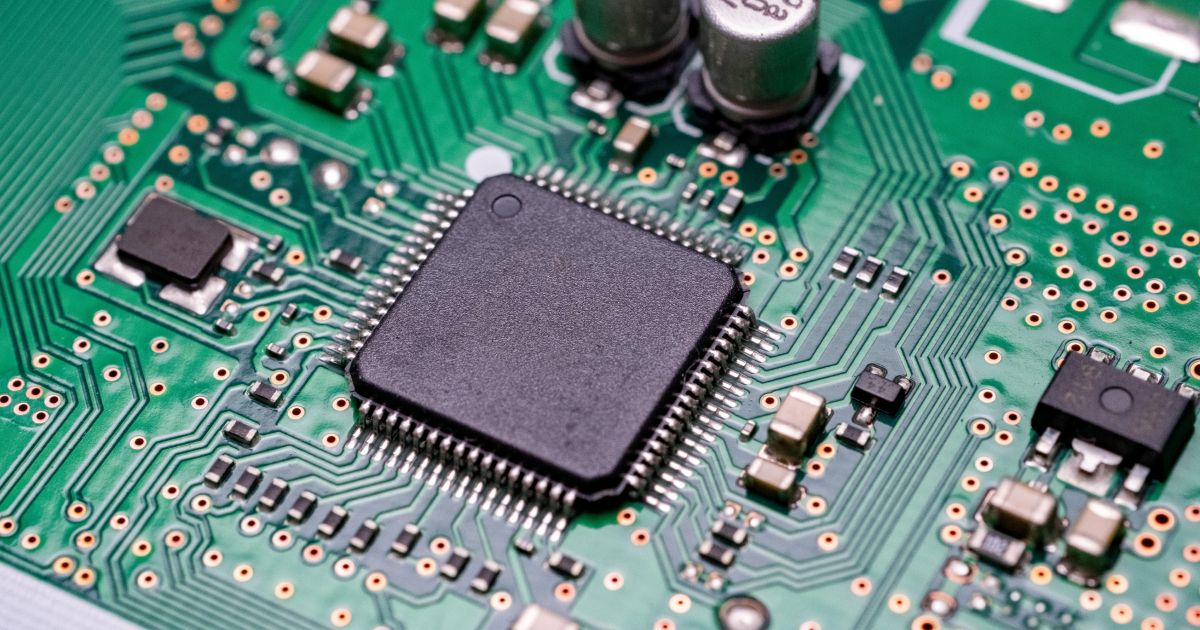
Circuit Board Production Is The Process Of Manufacturing Printed Circuit Boards For Electronic Products. It Includes Material Preparation, Circuit Imaging, Etching, drilling, plating, solder mask application, surface finishing, inspection, and final quality control. From simple single sided boards to complex multilayer designs, circuit board production plays a critical role in modern electronics manufacturing.
As electronic devices become smaller, faster, and more advanced, the need for reliable circuit board production continues to grow. A high quality PCB must provide accurate electrical connections, stable mechanical support, good thermal performance, and consistent manufacturability. Whether used in consumer electronics, industrial equipment, automotive systems, medical devices, or communication products, the quality of circuit board production directly affects final product reliability.
What Is Circuit Board Production?
Circuit Board Production Refers To The Full Manufacturing Process Used To Create Bare Printed Circuit Boards Before Components Are Assembled onto them. A circuit board begins as raw material and is transformed into a finished board through a series of controlled production steps.
These steps usually include PCB material selection, inner layer processing, lamination, drilling, copper plating, circuit pattern transfer, etching, solder mask coating, surface finish treatment, electrical testing, and inspection. The goal of circuit board production is to create a board that matches the design data accurately and performs reliably in later assembly and end use.
Why Circuit Board Production Is Important
Circuit Board Production Is Important Because The PCB Forms The Foundation Of The Entire Electronic Product. Even a strong circuit design can fail if the board is manufactured poorly. Problems in production can lead to open circuits, short circuits, poor solderability, weak mechanical strength, or unstable long term performance.
High quality circuit board production helps ensure dimensional accuracy, clean copper patterns, reliable plated holes, good layer alignment, and stable electrical performance. It also improves assembly success, reduces defects, and supports better product consistency in mass production.
Main Materials Used In Circuit Board Production
Circuit Board Production Usually Starts With Laminated Base Materials. One of the most common materials is FR4, which uses woven glass fiber and epoxy resin. FR4 is widely used because it offers good insulation, mechanical strength, and cost effectiveness.
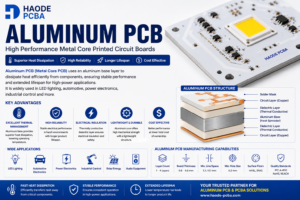
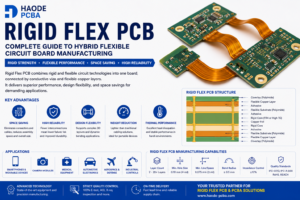
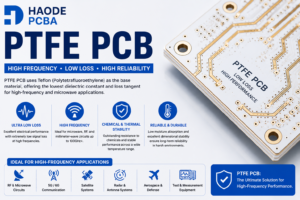
Other materials may be chosen based on product requirements. High frequency boards may use special low loss materials. Flexible circuit board production uses flexible substrates. Aluminum PCBs and metal core boards are often used in LED lighting and thermal applications. Material selection is one of the most important parts of circuit board production because it affects performance, durability, and manufacturing suitability.
Circuit Board Design And Production Preparation
Before Circuit Board Production Begins, The PCB Design Must Be Reviewed Carefully. Manufacturing data such as Gerber files, drill files, stackup details, impedance requirements, and fabrication notes are used to guide production.
At this stage, manufacturers often perform design for manufacturability review. This helps identify problems related to spacing, hole sizes, annular rings, layer structure, copper balance, and other details that could affect production yield. Good preparation helps reduce errors later in the process and supports smoother circuit board production.
Inner Layer Processing
For Multilayer Circuit Board Production, PCB Manufacturers First Prepare The Inner Layers. They Clean Copper Clad Laminate Panels, Apply Photoresist, And Transfer The Circuit Pattern Onto The Panels Through Imaging Processes.
After Imaging, PCB Manufacturers Etch Away Unwanted Copper And Leave Only The Required Copper Traces. They Then Inspect The Inner Layers To Verify Pattern Accuracy Before Starting The Lamination Process.
This step is very important because inner layer errors can affect the full structure of the multilayer PCB.
Lamination In Circuit Board Production
Lamination Is A Core Step In Multilayer Circuit Board Production. During this process, the prepared inner layers are stacked together with prepreg and copper foil, then pressed under heat and pressure to form a solid multilayer board.
PCB Manufacturers Must Carefully Control The Lamination Process To Ensure Strong Layer Bonding, Accurate Alignment, And Reliable Board Integrity. Poor lamination can lead to delamination, misregistration, or internal defects that affect performance and reliability.
Drilling And Hole Formation
After Lamination, The Board Moves To The Drilling Stage. Holes are created for vias, mounting points, and through hole components. In modern circuit board production, drilling accuracy is extremely important because hole position affects routing, plating quality, and final assembly performance.
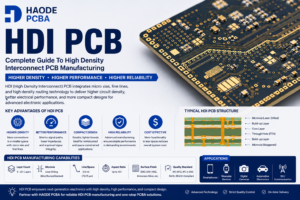
Some advanced boards may also use laser drilling for microvias in HDI PCB production. Whether the board uses standard holes or microvias, clean and accurate hole formation is essential for a high quality result.
Copper Plating And Via Metallization
PCB Manufacturers Continue Circuit Board Production With Copper Deposition And Plating After They Drill The Holes. A thin conductive layer is first created inside the drilled holes, and then electroplating builds up the copper thickness.
This step allows holes to become electrically conductive, which is necessary for connections between layers in multilayer boards. Strong and uniform plating improves electrical reliability, via performance, and long term product stability.
Outer Layer Imaging And Etching
After Plating, The Outer Layers Go Through Imaging And Etching Just Like The Inner Layers. PCB Manufacturers Transfer The Circuit Pattern Onto The Outer Copper Surfaces And Remove Unwanted Copper Through Etching.
This stage defines the visible copper traces, pads, and circuit features on the top and bottom of the board. Accuracy in this step is critical because it affects solderability, trace performance, spacing control, and assembly compatibility.
Solder Mask Application
Solder Mask Is One Of The Final Major Steps In Circuit Board Production. The solder mask is a protective coating applied over the board surface while leaving pads and connection points exposed for soldering.
This layer helps protect the copper from oxidation, reduces the risk of solder bridging during assembly, and improves the overall appearance of the PCB. PCB Manufacturers Most Commonly Use Green Solder Mask, But They Also Choose Black, White, Blue, Or Red Depending On Product Design And Application.
A well applied solder mask improves both functionality and final board quality.
Silkscreen Printing
Silkscreen Printing Adds Markings To The Board Surface, Such As Component References, polarity indicators, logos, and part labels. These markings help with assembly, inspection, troubleshooting, and product identification.
Although silkscreen does not affect the electrical function of the board directly, it plays an important role in usability and production clarity.
Surface Finish In Circuit Board Production
Surface Finish Is Applied To Exposed Copper Pads To Protect Them And Prepare Them For Soldering. Common surface finishes include HASL, lead free HASL, ENIG, immersion tin, immersion silver, and OSP.
The right surface finish depends on the product requirements, assembly method, shelf life needs, and cost target. Surface finish selection is an important part of circuit board production because it affects solderability, flatness, corrosion resistance, and compatibility with PCB assembly.
Electrical Testing And Inspection
Electrical Testing Is A Critical Part Of Circuit Boards Production. PCB Manufacturers Test Each Finished Board To Verify That All Required Circuits Connect Correctly And That No Electrical Shorts Exist.
Inspection may include visual checks, automated optical inspection, dimensional measurement, and electrical continuity testing. For higher reliability boards, more advanced inspection methods may also be used.
Testing and inspection help ensure that the finished board matches the design and is ready for assembly without hidden defects.
Quality Control In Circuit Board Production
Quality Control Runs Through Every Stage Of Circuit Boards Production. It is not limited to final inspection alone. Good manufacturers monitor material quality, process stability, drilling accuracy, plating thickness, layer alignment, etching performance, solder mask quality, and final testing results.
Strong process control helps reduce defects, improve yield, and support more consistent board performance. In competitive electronics manufacturing, reliable circuit boards production depends on disciplined quality management at every stage.
Types Of Circuit Boards Produced
Circuit Boards Production Can Support Many Different PCB Types Depending On Product Needs. These include single sided PCBs, double sided PCBs, multilayer PCBs, flexible PCBs, rigid flex PCBs, HDI boards, aluminum PCBs, heavy copper boards, and high frequency boards.
Each type requires different production methods, materials, and process controls. The more advanced the board structure becomes, the more important manufacturing precision becomes as well.
Applications Of Circuit Board Production
Circuit Boards Production Supports Nearly Every Electronics Industry. Consumer electronics use circuit boards in smartphones, laptops, tablets, wearables, and smart home devices. Industrial equipment relies on PCBs for automation systems, control boards, and monitoring devices.
Automotive products use circuit boards in sensors, battery systems, displays, control modules, and lighting systems. Medical devices, telecommunications equipment, LED products, aerospace systems, and power electronics also depend on reliable circuit boards production.
Because PCB technology supports so many industries, production quality has a major effect on the wider electronics supply chain.
Common Challenges In Circuit Board Production
Circuit Boards Production Requires Precision, And Several Challenges Can Affect Results. These include layer misalignment, poor plating, over etching, under etching, drilling errors, solder mask defects, contamination, and material variation.
Advanced boards may also face challenges related to impedance control, fine line resolution, thermal performance, and high density interconnect structures. That is why strong engineering support and process control are so important in modern PCB manufacturing.
How Good Circuit Boards Production Supports PCB Assembly
A High Quality Bare Board Makes PCB Assembly Easier And More Reliable. Boards With Accurate Pads, Clean Holes, Flat Surfaces, And Good Solderability Support More Stable Component Assembly And Help Reduce PCB Assembly Defects.
Good circuit boards production helps improve solder joint quality, placement accuracy, and final electrical performance. Electronics Manufacturers Depend On Both Fabrication Quality And Assembly Quality Because These Two Factors Work Closely Together In PCB Production.
Conclusion
Circuit Boards Production Is The Core Manufacturing Process That Turns Raw Materials Into Functional Printed Circuit Boards Ready For Electronic Assembly. It includes material preparation, imaging, etching, lamination, drilling, plating, solder mask application, surface finishing, testing, and inspection.
As modern electronics continue to demand higher performance, smaller size, and better reliability, the importance of circuit boards production continues to grow. A well controlled PCB manufacturing process improves quality, supports efficient assembly, and creates a stronger foundation for successful electronic products.