Reliable Through-Hole Technology for High-Strength Electronic Manufacturing
What Is Through Hole PCB Assembly (THT PCB Assembly / Through-Hole Technology)?
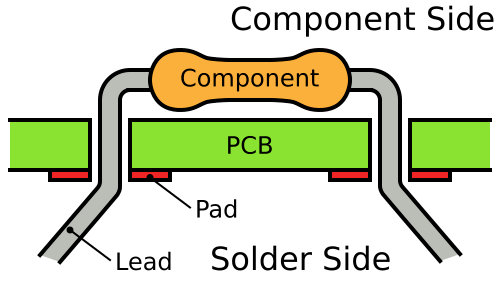
Through Hole PCB Assembly Is A Traditional Yet Highly Reliable Electronic Manufacturing Process Where Component Leads Are Inserted Through Drilled Holes In A Printed Circuit Board (PCBs) And Soldered On The Opposite Side To Create Strong Mechanical And Electrical Connections.
This Process Is Also Known As:
- Through-Hole Technology (THT) Assembly
- Through Hole Component Assembly
- Leaded Component PCB Assembly
- Plated Through Hole (PTH) Assembly
- THT Electronic Assembly
Compared With Surface Mount Technology (SMT), Through Hole PCB Assembly Offers Superior Mechanical Strength, Excellent Electrical Reliability, And Better Performance In High-Stress Environments.
Because Of These Advantages, THT PCB Assembly Is Widely Used In Industrial Electronics, Aerospace Systems, Automotive Electronics, Power Equipment, And High-Reliability Electronic Products.
How Through Hole PCB Assembly Works (THT Assembly Process / PCB Through-Hole Manufacturing)
The Through Hole PCBs Assembly Process Involves Several Critical Manufacturing Steps That Ensure Strong Solder Joints And Long-Term Reliability.
PCB Drilling And Plated Through Holes (PTH Preparation)
First, The Printed Circuit Board Is Manufactured With Precisely Drilled Holes.
These Holes Are Then Metallized Through Plated Through Hole (PTH) Technology, Creating Conductive Copper Layers Inside The Hole Walls.
This Allows Electrical Signals To Travel Between Different PCB Layers While Providing Mechanical Anchoring For Through-Hole Components.
Component Insertion (Manual Or Automated Through Hole Placement)
Electronic Components With Metal Leads Are Inserted Into The Pre-Drilled Holes.
This Step Can Be Performed Through:
- Manual Component Insertion
- Automated Through Hole Insertion Machines
- Selective Assembly Processes
Common Components Used In Through Hole PCBA Assembly Include:
- Connectors
- Capacitors
- Resistors
- Transformers
- Large Inductors
- Power Devices
- Electrolytic Capacitors
Soldering Process (Wave Soldering / Selective Soldering)
After Component Placement, The PCB Passes Through A Soldering Stage.
Typical Through-Hole Soldering Methods Include:
| Soldering Method | Description |
|---|---|
| Wave Soldering | A Continuous Wave Of Molten Solder Bonds All Through-Hole Leads At Once |
| Selective Soldering | Precise Soldering Used For Mixed SMT And THT Assemblies |
| Manual Soldering | Used For Prototypes Or Low-Volume Production |
Proper Soldering Ensures Durable Electrical Connectivity And High-Quality Solder Joints.
Advantages Of Through Hole PCB Assembly (Benefits Of THT PCB Manufacturing)
Even In The Era Of SMT, Through Hole PCBs Assembly Remains Essential For Many High-Reliability Applications.
Superior Mechanical Strength
Because Component Leads Pass Completely Through The PCB And Are Soldered On The Opposite Side, THT Components Provide Strong Mechanical Anchoring.
This Makes Through Hole Assembly Ideal For Components Subject To:
- Mechanical Stress
- Vibration
- Thermal Expansion
- Frequent Plugging And Unplugging
High Reliability In Harsh Environments
Through-Hole Components Are Often Preferred In Industrial Electronics, Aerospace Systems, And Military Applications Where Reliability Is Critical.
The Larger Solder Joints Improve Durability And Long-Term Stability.
Better Performance For High-Power Components
Many High-Power Electronic Devices Require Through-Hole Components Because They Can Handle Higher Current And Heat Dissipation.
Typical Examples Include:
- Power Supplies
- Motor Controllers
- Industrial Drives
- Heavy-Duty Power Circuits
Easier Prototyping And Repair
Compared With SMT, Through Hole PCBs Assembly Is Easier For Engineers To Prototype, Test, And Repair Because The Components Are Larger And Easier To Handle.
This Is Particularly Useful During Early Product Development.
Through Hole PCB Assembly vs Surface Mount Assembly (THT vs SMT)
| Feature | Through Hole PCB Assembly | SMT PCB Assembly |
|---|---|---|
| Component Mounting | Leads Inserted Through PCB Holes | Components Mounted On Surface Pads |
| Mechanical Strength | Very Strong | Moderate |
| Production Speed | Slower | Very Fast |
| Component Size | Larger Components | Miniature Components |
| Best For | Power Devices, Connectors, Industrial Electronics | Consumer Electronics, High-Density Boards |
In Modern PCBA Assembly Manufacturing, Many Products Use A Mixed Assembly Approach, Combining SMT PCBs Assembly With Through Hole Technology (THT) For Optimal Performance.
Applications Of Through Hole PCB Assembly (Industrial PCB Assembly / High-Reliability Electronics)
Because Of Its Durability And Reliability, Through Hole PCB Assembly Is Used Across Many Industries.
Industrial Equipment And Automation
Factories And Industrial Control Systems Often Use Through-Hole Electronic Assemblies Because They Must Withstand Harsh Operating Conditions.
Automotive Electronics
Automotive Control Modules, Power Management Systems, And Sensors Often Include THT Components For Improved Durability.
Aerospace And Defense Electronics
Critical Aerospace Systems Require High-Reliability PCB Assembly Where Component Failure Is Not Acceptable.
Power Electronics And Energy Systems
Power Supplies, Inverters, Charging Systems, And Renewable Energy Equipment Frequently Use Through Hole PCBA Assembly For High Current Handling.
Key Quality Control In Through Hole PCB Assembly (Inspection And Testing)
High-Quality Through Hole PCB Manufacturing Requires Strict Inspection And Quality Assurance.
Typical Inspection Methods Include:
- AOI (Automated Optical Inspection)
- Manual Visual Inspection
- X-Ray Inspection (For Complex Boards)
- Functional Circuit Testing
- Solder Joint Inspection
These Quality Control Steps Ensure That Every Through-Hole Electronic Assembly Meets Electrical, Mechanical, And Reliability Standards.
When To Choose Through Hole PCB Assembly
Engineers Often Select Through Hole PCBA Assembly When The Product Requires:
- High Mechanical Strength
- High Current Or Power Handling
- Rugged Industrial Reliability
- Connectors Or Heavy Components
- Long-Term Durability
For Many Electronic Products, Combining SMT And Through-Hole PCB Assembly Provides The Best Balance Of Performance, Cost Efficiency, And Reliability.
Conclusion
Through Hole PCB Assembly Remains A Critical Technology In Modern Electronic Manufacturing. While Surface Mount Technology (SMT) Dominates High-Volume Consumer Electronics, Through-Hole Technology (THT) Continues To Provide Exceptional Mechanical Strength, Power Handling Capability, And Long-Term Reliability.
For Industrial Equipment, Power Electronics, Aerospace Systems, And High-Reliability Devices, Through Hole PCB Assembly Offers A Robust And Proven Solution That Ensures Stable Electrical Connections And Durable Electronic Products.
By Combining Advanced PCBs Manufacturing, Precision Through-Hole Component Assembly, And Strict Quality Inspection, Manufacturers Can Deliver High-performance Printed Circuit Board Assemblies (PCBA) That Meet The Demands Of Modern Electronic Applications.