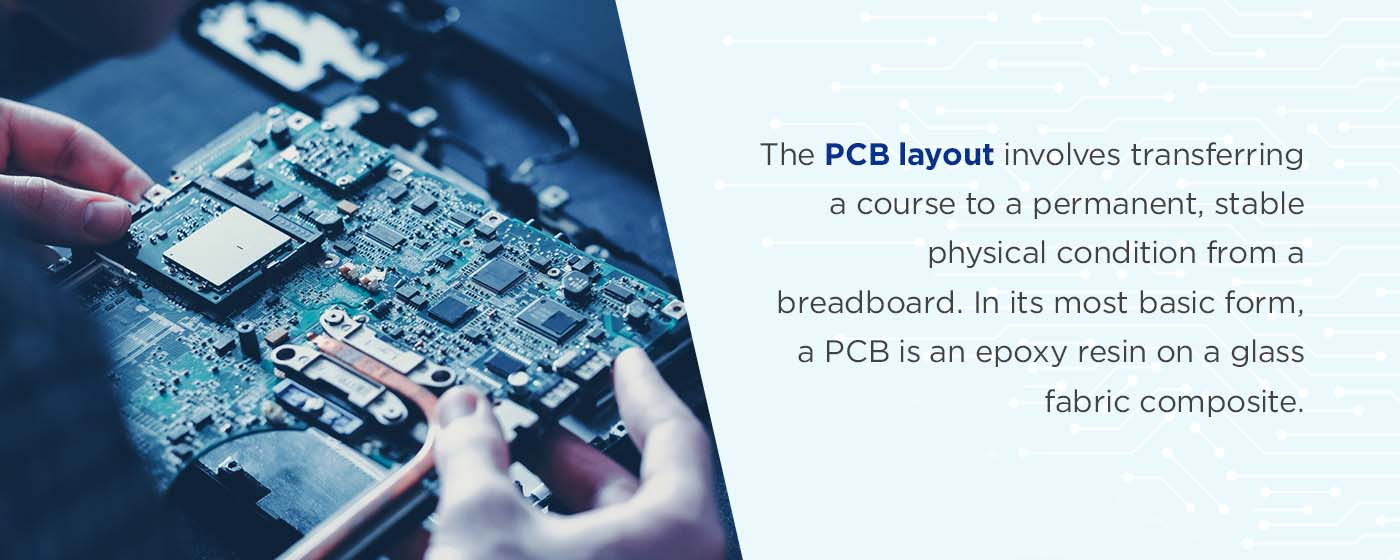
Printed Circuit Board Assembly Is The Process Of Mounting Electronic Components Onto A Bare Printed Circuit Board To Create A Functional Electronic Product. It Is One Of The Most Important Stages In Electronics Manufacturing because it turns a designed PCB into a working circuit that can be used in consumer electronics, industrial equipment, medical devices, automotive systems, communication products, and many other applications.
A bare PCB only provides the structure and conductive pathways for a circuit. It becomes useful only after the correct components are installed, soldered, inspected, and tested. That is why printed circuit board assembly plays such a critical role in product quality, electrical performance, manufacturing efficiency, and long-term reliability.
What Is Printed Circuit Board Assembly?
Printed Circuit Board Assembly, Often Called PCBA, Refers To The Full Process Of Assembling Electronic Components Onto A Manufactured PCB. This Includes Component Placement, Soldering, Inspection, Testing, And Final Verification.
During PCB Assembly, Components Such As Resistors, Capacitors, Diodes, Integrated Circuits, Connectors, And Other Electronic Parts Are Mounted Onto The Board According To The Design Files And Bill Of Materials. Once The Assembly Process Is Completed, The Board Becomes A Working Electronic Circuit Ready For Further Integration Or End Use.
Why Printed Circuit Board Assembly Is Important
Printed Circuit Board Assembly Is Important Because It Directly Affects Whether An Electronic Product Will Function Correctly And Reliably. Even A Well Designed PCB Can Fail If The Assembly Process Is Poorly Controlled.
A High Quality PCB Assembly Process Helps Ensure Accurate Component Placement, Strong Solder Joints, Stable Electrical Performance, And Consistent Product Quality. It Also Supports Better Production Efficiency, Lower Defect Rates, And Easier Scaling From Prototype To Mass Production.
For Electronics Manufacturers And Product Developers, Good Printed Circuit Board Assembly Is Essential For Reducing Rework, Improving Yield, And Building Trust In The Final Product.
Main Types Of Printed Circuit Board Assembly
There Are Several Common Types Of Printed Circuit Board Assembly Used In Modern Electronics Manufacturing.
SMT PCB Assembly
Surface Mount Technology Assembly Is The Most Common PCB Assembly Method Today. In SMT Assembly, Components Are Mounted Directly Onto The Surface Of The Board. This Method Supports Small Component Packages, High Density Layouts, Fast Automated Production, And Compact Product Designs.
SMT PCB Assembly Is Widely Used In Consumer Electronics, Communication Devices, Industrial Controls, And Smart Products Because It Offers High Speed And Excellent Precision.
Through Hole PCB Assembly
Through Hole PCB Assembly Uses Components With Leads That Pass Through Drilled Holes In The Board. These Leads Are Then Soldered To Pads On The Opposite Side.
This Method Is Commonly Used For Connectors, Transformers, Large Components, And Applications That Need Strong Mechanical Bonding. Although It Is Less Common Than SMT In Modern High Density Products, Through Hole Assembly Remains Important In Many Industrial And Power Electronics Applications.
Mixed Technology Assembly
Many Electronic Products Use Both SMT And Through Hole Components On The Same Board. This Is Called Mixed Technology Assembly.
Mixed PCB Assembly Combines The High Density And Automation Benefits Of SMT With The Strength And Application Flexibility Of Through Hole Technology. It Is Common In Industrial Electronics, Control Systems, Power Products, And Complex Commercial Devices.
Printed Circuit Board Assembly Process
The Printed Circuit Board Assembly Process Includes Several Important Steps. Each Stage Must Be Carefully Controlled To achieve reliable and repeatable results.
Solder Paste Printing
For SMT Assembly, The Process Usually Begins With Solder Paste Printing. Solder Paste Is Applied To The PCB Pads Using A Stencil. This Paste Contains Solder Alloy And Flux And Prepares The Board For Component Placement.
Accurate Solder Paste Printing Is Important Because Incorrect Paste Volume Can Lead To Weak Joints, Solder Bridges, Or Open Connections.
Component Placement
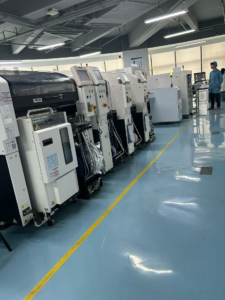
After Solder Paste Printing, Automated Pick And Place Machines Mount The Surface Mount Components Onto The Board. These Machines Position Each Part According To The Design Data With High Speed And Precision.
Correct Placement Is Critical Because Misaligned Or Incorrect Components Can Cause Electrical Failure And Assembly Defects later in the process.
Reflow Soldering
Once Components Are Placed, The Board Moves Through A Reflow Oven. The Heat Melts The Solder Paste And Creates Permanent Electrical And Mechanical Connections Between The Components And The PCB Pads.
A Controlled Reflow Profile Is Essential For Producing Strong Solder Joints And Avoiding Problems Such As Tombstoning, Cold Joints, Or Component Damage.
Through Hole Insertion And Soldering
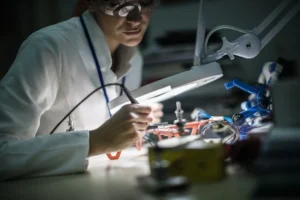
If The Board Includes Through Hole Components, These Parts Are Inserted After Or Alongside SMT Processing Depending On The Assembly Plan. They May Be Soldered Manually Or By Wave Soldering, Selective Soldering, Or Other Suitable Methods.
This Step Is Important For Boards That Use Larger Connectors, Mechanical Parts, Or High Power Components.
Inspection And Quality Control
Inspection Is A Key Part Of Printed Circuit Board Assembly. Common Inspection Methods Include AOI, X Ray Inspection, Visual Inspection, And First Article Inspection.
These Methods Help Detect Missing Components, Wrong Polarity, Misalignment, Solder Bridges, Voids, Poor Joints, And Other Assembly Problems before the board reaches the customer.
Testing And Final Verification
After Assembly, The Board May Go Through Electrical Testing, Functional Testing, In Circuit Testing, Or Final System Checks Depending On The Product Type.
Testing Confirms That The Printed Circuit Board Assembly Works Correctly And Meets The Design Requirements. This Step Helps Reduce Failure Risk In The Field And Improves Overall Product Reliability.
Materials And Data Needed For PCB Assembly
To Complete Printed Circuit Boards Assembly Correctly, Manufacturers Need Accurate Production Data And Good Material Preparation.
The Most Common Required Files And Documents Include Gerber Files, Bill Of Materials, Pick And Place Data, Assembly Drawings, Schematic Information, And Special Assembly Notes. These Files Help The PCB Assembly Company Understand Component Locations, Polarity, Package Types, And Process Requirements.
Component Availability Is Also Very Important. Reliable Sourcing And Correct BOM Management Help Prevent Delays, Wrong Parts, And Quality Risks during production.
Benefits Of Professional Printed Circuit Board Assembly
Professional Printed Circuit Boards Assembly Offers Many Advantages For Electronics Companies, OEM Brands, Startups, And Product Developers.
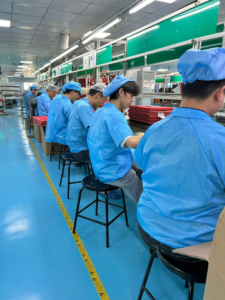
One Major Benefit Is Better Quality Control. Professional Assembly Providers Use Controlled Processes, trained operators, automated equipment, and inspection systems to reduce errors.
Another Benefit Is Faster Production. Automated PCB Assembly lines can handle large numbers of components quickly and consistently, which helps shorten lead times and support faster product launches.
Professional PCB Assembly also improves scalability. A supplier that supports prototype assembly, low volume production, and high volume manufacturing can help customers grow more smoothly without changing partners.
In addition, a strong PCB assembly partner can provide engineering review, DFM support, component sourcing, and testing services that improve the full manufacturing process.
Industries That Use Printed Circuit Board Assembly
Printed Circuit Boards Assembly Is Used In Nearly Every Electronics Industry.
Consumer Electronics Use PCB Assembly For Smartphones, Tablets, Wearables, Home Appliances, And Smart Devices. Industrial Equipment Uses PCB Assemblies In Automation Systems, Control Panels, Sensors, And Power Management Products.
Automotive Electronics Depend On PCB Assembly For Displays, Sensors, Lighting Modules, Battery Systems, And Vehicle Control Units. Medical Devices Use PCB Assemblies In Monitoring Equipment, Diagnostic Systems, Portable Medical Electronics, And Imaging Devices.
Communication Products, Aerospace Equipment, Security Systems, LED Lighting, And IoT Devices Also Rely On Reliable Printed Circuit Boards Assembly To achieve stable and efficient performance.
How To Choose A Printed Circuit Board Assembly Company
Choosing The Right Printed Circuit Board Assemblys Company Is Important For Product Quality And Business Success. Buyers Should Look Beyond Price And Evaluate technical capability, quality control, inspection resources, communication, component sourcing support, and production flexibility.
A good PCB assembly partner should support the required assembly method, whether that means SMT, through hole, or mixed technology. The supplier should also have experience with similar products and be able to meet the required lead time and volume range.
It is also important to check whether the company offers testing, engineering support, and clear project communication. A professional PCB assembly manufacturer should be able to review files carefully, identify issues early, and support smoother production from prototype to mass manufacturing.
Common Challenges In Printed Circuit Board Assembly
Although PCB Assembly Is Highly Developed, There Are Still Common Challenges That Must Be Managed carefully. These include soldering defects, component sourcing problems, incorrect placement, polarity errors, thermal stress, and inspection limitations.
Poor stencil design, wrong reflow settings, bad material handling, and weak process control can all affect final assembly quality. That is why a strong printed circuit boards assembly process depends on good engineering, good equipment, and disciplined production management.
Printed Circuit Board Assembly And Product Reliability
Printed Circuit Board Assembly Has A Direct Effect On Product Reliability. Strong solder joints, correct component placement, good cleaning control, and thorough testing all help improve the long term performance of the final product.
When PCB assembly quality is high, products are less likely to fail during use, shipping, temperature changes, vibration, or electrical stress. For this reason, reliable PCBA manufacturing is a critical part of building durable and trusted electronics.
Conclusion
Printed Circuit Board Assembly Is The Essential Process That Turns A Bare Circuit Board Into A Functional Electronic Product. It includes component mounting, soldering, inspection, testing, and quality verification, all of which directly affect product performance and manufacturing success.
Whether The Product Uses SMT Assembly, Through Hole Assembly, Or Mixed Technology Assembly, the goal remains the same: create a reliable, efficient, and high quality electronic circuit. For modern electronics manufacturing, printed circuit board assembly is not just one production step. It is a core foundation of product quality, scalability, and long term reliability.