Complete Troubleshooting Guide
PCB Board Repair is an important part of electronics maintenance, product servicing, and industrial equipment recovery. When a PCB Board becomes damaged, the entire device may stop working correctly, lose signal stability, or fail completely. In many situations, replacing the full board is costly or unnecessary, which is why PCB board repair remains a practical solution for manufacturers, repair technicians, and maintenance teams.
A PCB board, also called a printed circuit board, circuit board, electronic board, or PCB, can fail for many reasons, including broken traces, burnt components, lifted pads, soldering defects, corrosion, and overheating. Understanding PCB Board Repair helps improve product lifespan, reduce replacement costs, and restore system performance more efficiently.
What Is PCB Board Repair
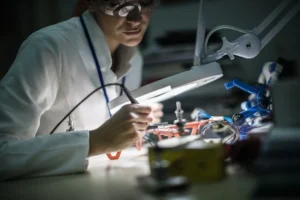
PCB Board Repair refers to the process of diagnosing, repairing, and restoring faults or physical damage on a PCB board so that it can function properly again. This may include trace repair, solder pad repair, component replacement, solder joint repair, corrosion cleaning, or board-level rework.
PCB board repair is commonly used in:
- Consumer Electronics Repair
- Industrial Control System Maintenance
- Automotive Electronics Service
- Medical Device Repair
- Power Supply Repair
- Telecom Equipment Maintenance
- Prototype Rework And Engineering Adjustments
Depending on the type of failure, the repair may involve a simple solder fix or a more advanced board restoration process.
Common Causes Of PCB Board Damage
A damaged PCB board can fail in several ways. Identifying the actual cause is the first step toward effective repair.
Broken PCB Traces
Copper traces may crack, burn, or separate due to mechanical stress, high current, or overheating. A broken trace interrupts electrical continuity and can stop the circuit from functioning.
Lifted Pads And Damaged Lands
Pads may lift from the board during poor rework handling, repeated heating, or excessive force. This is a common issue in PCB pad repair.
Cold Solder Joints
A weak solder connection may look cracked, dull, or incomplete. Cold solder joints often cause unstable performance and intermittent electrical problems.
Burnt Or Failed Components
Resistors, capacitors, diodes, ICs, connectors, and other parts may fail because of overvoltage, age, heat, or current stress.
Corrosion And Moisture Exposure
Moisture, dirt, chemicals, and poor storage conditions can cause oxidation and corrosion on a PCB board, which may weaken electrical paths and solder joints.
Delamination And Substrate Damage
Excessive heat can damage the board laminate itself, especially on multilayer PCBs or boards that have been heavily reworked.
Tools Used For PCB Board Repair
Successful PCB Board Repair usually requires the right tools and materials. Good tools improve repair quality and reduce the chance of further damage.
Common tools include:
- Soldering Iron
- Hot Air Rework Station
- Solder Wire
- Desoldering Pump
- Solder Wick
- Flux
- Tweezers
- Multimeter
- Magnifying Lamp
- Microscope
- PCB Cleaning Brush
- Jumper Wire
- Epoxy Or Repair Materials
For more advanced repairs, technicians may also use infrared equipment, BGA rework tools, and board-level inspection systems.
How PCB Board Repair Works
The PCB Board Repair process usually follows a structured workflow. The exact repair method depends on the fault, but most jobs involve inspection, diagnosis, repair, and testing.
Inspect The PCB Board
The first step is visual and electrical inspection. Look for burnt areas, broken traces, damaged pads, failed components, poor solder joints, or corrosion.
Identify The Fault
Use a multimeter or other diagnostic methods to confirm which part of the board is causing the problem. Accurate diagnosis helps avoid unnecessary repair steps.
Remove Damaged Components
If the issue involves a failed part, remove it carefully using the correct desoldering or hot-air rework technique.
Repair The Board Damage
Depending on the type of failure, repair work may include:
- Restoring A Broken Trace
- Repairing A Lifted Pad
- Reflowing A Cold Solder Joint
- Replacing A Damaged Component
- Cleaning Corrosion
- Reinforcing Weak Connections
Clean And Test The Repaired Board
After the repair is complete, remove flux residue and dirt, then test the board for continuity, voltage, or full function.
PCB Trace Repair And Circuit Path Restoration
One of the most common forms of PCB Board Repair is trace repair. When a copper trace is broken, electrical current can no longer travel through that path, which may stop the product from working.
Trace repair may involve:
- Removing Solder Mask
- Exposing Clean Copper
- Installing A Jumper Wire
- Rebuilding The Conductive Path
- Reinforcing The Repair Area
A successful PCB trace repair restores continuity and helps the board operate normally again.
PCB Pad Repair And Solder Land Restoration
Lifted or missing pads are another common issue in PCB board repair. These problems often appear after poor component removal, overheating, or mechanical stress.
PCB pad repair may include:
- Pad Repair Kits
- Jumper Connections
- Conductive Epoxy
- Bonded Repair Materials
- Rebuilt Landing Points
A good repair restores both electrical function and component mounting reliability.
Solder Joint Repair And Circuit Board Rework
Many PCB board failures are caused by weak or damaged solder joints. Solder joint repair is especially important in connectors, power devices, and vibration-sensitive products.
Typical solder joint repair includes:
- Removing Old Solder
- Applying Flux
- Reheating The Joint
- Adding Fresh Solder
- Inspecting The Final Shape And Wetting
This type of circuit board rework can restore stable electrical contact and improve long-term performance.
Electronic Component Replacement In PCB Board Repair
Many boards fail because of damaged components rather than damaged substrate material. Common parts replaced during PCBA board repair include:
- Resistors
- Capacitors
- Diodes
- Transistors
- IC Chips
- Connectors
- Relays
- MOSFETs
- Inductors
Using the correct replacement component is critical because the wrong part can create new faults or repeated failure.
PCB Corrosion Cleaning And Electronic Board Restoration
Corrosion is a major problem in many electronic environments, especially in industrial, outdoor, automotive, and humid operating conditions. A corroded PCB board may suffer from unstable signals, weak solder joints, or broken copper areas.
PCB cleaning and restoration may involve:
- Removing Oxidation
- Cleaning Corroded Areas
- Replacing Damaged Components
- Restoring Weak Connections
- Protecting The Repaired Board
In many cases, proper cleaning is an essential part of successful electronic board repair.
When PCB Board Repair Is Worth It
Not every damaged PCBA board should be repaired, but repair is often worthwhile when:
- The Board Is Expensive To Replace
- The Product Has High Value
- Replacement Lead Time Is Long
- Downtime Must Be Reduced Quickly
- The Damage Is Limited To A Repairable Area
- The Equipment Is Difficult To Replace
For industrial systems, OEM electronics, and specialized equipment, PCB board repair is often more cost-effective than full replacement.
PCB Board Repair Vs PCB Rework
Although these terms are closely related, they are not exactly the same.
PCB Board Repair
PCBA Board Repair focuses on fixing a fault or physical damage so the board can function again.
PCB Rework
PCB Rework usually refers to modifying, replacing, or adjusting components during production, prototyping, or engineering updates.
Both processes use similar methods, but the purpose is different.
Best Practices For PCB Board Repair
To improve repair results and reduce risk, technicians should follow careful repair procedures.
Recommended practices include:
- Use Proper ESD Protection
- Avoid Excessive Heat
- Confirm The Fault Before Repair
- Use Correct Replacement Components
- Inspect All Repaired Areas Carefully
- Clean Flux Residue
- Test The Board Before Final Use
- Document Major Repairs When Needed
These practices improve consistency and help reduce repeat failures.
Applications Of PCB Board Repair
PCB Board Repair is used in many sectors of the electronics industry.
Common applications include:
- Consumer Electronics Service
- Industrial Equipment Maintenance
- Automotive Electronics Repair
- Power Supply Service
- Telecom Equipment Maintenance
- Medical Electronics Repair
- OEM Product Rework
- After-Sales Technical Support
- Electronics Manufacturing Service Operations
Because PCB boards are used in almost every electronic product, repair remains an essential part of electronics maintenance and restoration.
Conclusion
PCB Board Repair is a valuable process for restoring damaged circuit boards, reducing replacement costs, and extending the service life of electronic products. From trace repair and pad restoration to component replacement, solder joint repair, and corrosion cleaning, board-level repair helps recover functionality in many types of electronic systems.
Whether the fault involves a broken trace, lifted solder pad, burnt resistor, failed capacitor, corroded connector, or weak solder joint, understanding the basics of PCB Board Repair can improve maintenance efficiency and support better long-term product reliability. For repair technicians, manufacturers, and electronics service providers, PCB repair remains an essential part of modern electronics support.