LED Light Circuit Board is one of the most important components in modern lighting products. It provides the electrical pathways, mechanical support, and thermal management needed for LED chips and electronic components to work efficiently. From residential bulbs and commercial lighting fixtures to automotive lamps and industrial illumination systems, LED lighting depends on high-quality circuit board design.
In the electronics and lighting industry, an LED Light Circuit Board may also be described as an LED PCB, LED PCB Board, LED Lighting PCB, LED Lamp Circuit Board, Or Printed Circuit Board For LED Lights. Understanding how these boards work is important for lighting manufacturers, OEM buyers, engineers, and product developers who want reliable performance and long service life.
What Is An LED Light Circuit Board
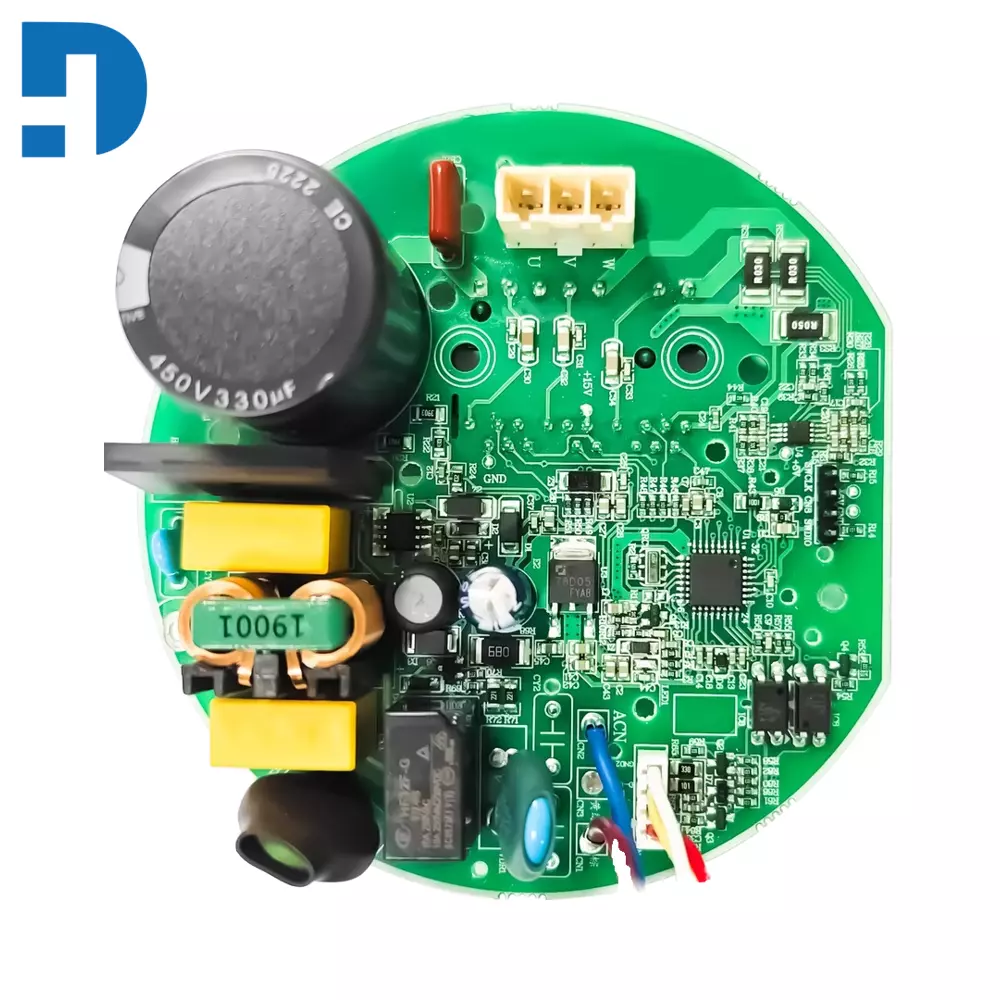
An LED Light Circuit Board is a printed circuit board designed specifically for LED lighting applications. It connects LED chips, resistors, drivers, and other components while helping manage heat generated during operation.
Unlike a standard electronic board, an LED PCB Board must often provide better thermal conductivity because LEDs are sensitive to heat. If heat is not managed properly, LED brightness, efficiency, and lifespan can decline.
A typical LED Light Circuit Board may include:
- Base Material
- Copper Circuit Layer
- Solder Mask
- LED Mounting Pads
- Thermal Path Design
- Driver Connection Area
These features help ensure that the LED lighting system works safely, efficiently, and consistently.
How An LED Light Circuit Board Works
An LED Light Circuit Board works by distributing electrical current to the LED chips and related components in a controlled way. The board routes power through copper traces to the LEDs, allowing them to emit light.
At the same time, the board supports heat dissipation. This is especially important because excessive heat can reduce LED performance and damage sensitive components. In many lighting products, the LED Lighting PCB also works together with a heat sink or metal housing to move heat away from the LEDs.
Because of this dual role, the LED Light Circuit Board is not only an electrical platform but also a thermal management structure.
Why LED Light Circuit Boards Are Important
The quality of an LED Light Circuit Board directly affects lighting performance, product reliability, and energy efficiency. A poorly designed board can lead to uneven brightness, shortened service life, overheating, or electrical instability.
A strong LED PCB helps improve:
- Thermal Performance
- LED Lifespan
- Light Output Stability
- Energy Efficiency
- Product Reliability
- Assembly Quality
For LED lighting manufacturers, the circuit board is one of the most important foundations of the final product.
Common Types Of LED Light Circuit Boards
Different LED products require different board structures and materials. The most common types of LED Light Circuit Boards include the following.
Aluminum LED Circuit Board
An Aluminum LED Circuit Board is one of the most common options in LED lighting. It uses an aluminum base to improve heat dissipation and is widely used in high-power LED applications.
This type of LED PCB Board is common in:
- LED Street Lights
- Flood Lights
- High Bay Lights
- Automotive Lighting
- Outdoor Lighting Fixtures
FR4 LED Circuit Board
An FR4 LED Circuit Board uses a fiberglass-based laminate and is suitable for lower-power LED products where thermal demand is more moderate.
It is often used in:
- LED Indicators
- Decorative Lighting
- Small LED Modules
- Consumer Electronics Lighting
Flexible LED Circuit Board
A Flexible LED Circuit Board can bend and fit into compact or curved product structures. It is commonly used in LED strip lights, display lighting, and compact decorative illumination systems.
Multilayer LED PCB
A Multilayer LED PCB may be used in more advanced lighting electronics where additional routing, control circuits, or higher-density component layouts are required.
Aluminum PCB For LED Lighting
In many LED products, Aluminum PCB is the preferred solution because of its strong thermal performance. LEDs generate heat during operation, and aluminum-base boards help move that heat away more effectively than standard PCB materials.
Benefits of Aluminum LED PCB Boards include:
- Better Heat Dissipation
- Improved LED Lifespan
- Strong Mechanical Stability
- Good Performance In High-Power Lighting
- Reliable Long-Term Operation
Because of these advantages, aluminum PCBs are widely used in professional and commercial LED lighting systems.
LED Light Circuit Board Materials
The material used in an LED Light Circuit Board plays a major role in product quality and thermal control.
Common LED PCB materials include:
- Aluminum Base Material
- FR4 Material
- Copper Foil
- Thermal Dielectric Layer
- Flexible Polyimide Material
The right material depends on the LED power level, installation environment, product cost target, and heat dissipation requirements.
LED Light Circuit Board Design Considerations
Designing an LED Light Circuit Board requires more than just basic electrical routing. A good design must balance current distribution, thermal management, assembly efficiency, and mechanical fit.
Important design considerations include:
- Thermal Path Layout
- Copper Trace Width
- LED Placement
- Heat Dissipation Strategy
- Driver Circuit Integration
- Solder Pad Design
- Board Shape And Size
- Mounting Hole Position
- Current Control
A strong LED PCB Design helps improve reliability and supports better manufacturing results.
LED Light Circuit Board Manufacturing Process
The LED Light Circuit Board manufacturing process is similar to standard PCB production, but with extra attention to thermal materials and LED-specific design requirements.
The general process includes:
Material Preparation
The base material, such as aluminum or FR4, is selected according to the product design.
Circuit Imaging And Etching
The copper circuit pattern is transferred to the board, and unwanted copper is removed.
Insulation And Thermal Layer Processing
For metal core boards, the thermal dielectric layer is applied to separate the copper from the metal base while still allowing heat transfer.
Solder Mask And Surface Finish
A solder mask is applied, and the exposed copper pads receive a surface finish such as HASL, ENIG, or OSP.
Testing And Inspection
The finished LED PCB Board is inspected for electrical continuity, dimensional accuracy, and manufacturing quality.
LED Light Circuit Board Assembly
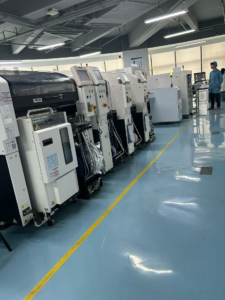
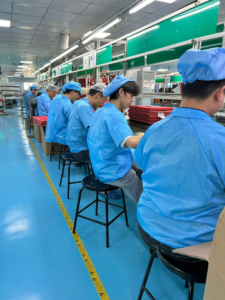
After fabrication, the next step is LED PCB Assembly, where LED chips and electronic components are mounted onto the board.
This may include:
- SMT LED Mounting
- Driver Component Assembly
- Connector Installation
- Soldering And Reflow
- Functional Testing
High assembly quality is essential for achieving consistent lighting performance and long service life.
Applications Of LED Light Circuit Boards
An LED Light Circuit Board is used in many lighting products and industries.
Common applications include:
- LED Bulbs
- LED Strip Lights
- LED Downlights
- LED Panels
- LED Flood Lights
- LED Street Lights
- Automotive LED Lamps
- Decorative Lighting
- Industrial Lighting
- Smart Lighting Devices
Because LED lighting is used in so many environments, demand for high-quality LED PCB Boards continues to grow.
Benefits Of High-Quality LED Light Circuit Boards
A high-quality LED Light Circuit Boards offers several important advantages for lighting manufacturers and end users.
Better Thermal Performance
Efficient heat dissipation helps protect LED chips and extend product life.
More Stable Brightness
A reliable board helps maintain consistent light output over time.
Higher Product Reliability
Better materials and manufacturing reduce the risk of early failure.
Improved Energy Efficiency
A well-designed LED Lighting PCB supports stable current flow and better system efficiency.
Stronger Mechanical Support
The board helps secure LEDs and components in place for long-term use.
How To Choose The Right LED Light Circuit Board
Choosing the right LED Light Circuit Boards depends on several important factors.
LED Power Level
High-power lighting usually requires aluminum PCB or other heat-dissipating solutions.
Product Application
Indoor decorative lighting may use a different board type than outdoor industrial fixtures.
Thermal Requirements
Products with long operating hours or enclosed installation need stronger thermal management.
Board Shape And Size
The PCB must match the physical structure of the lighting product.
Assembly Requirements
The board design should support efficient SMT assembly and stable soldering.
Cost And Reliability Goals
The chosen board should balance manufacturing cost with long-term product quality.
LED Light Circuit Board Vs Standard PCB
Although an LED Light Circuit Boards is a type of PCB, it differs from a standard boards in several important ways.
| Feature | LED Light Circuit Board | Standard PCB |
|---|---|---|
| Main Use | LED Lighting Applications | General Electronics |
| Thermal Focus | High | Moderate |
| Common Material | Aluminum, FR4, Flex | FR4, Multilayer |
| Heat Dissipation | Critical | Application Dependent |
| LED Mounting Design | Specialized | General Component Design |
Because of these differences, LED products often require dedicated PCB solutions rather than general-purpose circuit boards.
Conclusion
An LED Light Circuit Boards is a core component in modern lighting products because it supports electrical connectivity, component mounting, and thermal management. Whether used as an Aluminum LED PCB, LED Lamp Circuit Board, LED Lighting PCB, Or LED Module Board, it plays a major role in lighting efficiency, product durability, and overall performance.
For manufacturers, OEM buyers, and product developers, understanding LED Light Circuit Boards materials, design principles, manufacturing methods, and application requirements is essential for building reliable LED lighting products. A well-designed LED PCB can improve heat dissipation, extend LED lifespan, and support better long-term lighting performance.