Complete Guide To RoHS Compliant Circuit Board Manufacturing
Lead Free PCB Assembly Is A Modern Electronics Manufacturing Process That Uses Lead-Free Solder Alloys Instead Of Traditional Tin-Lead Materials. With Global Environmental Regulations Such As RoHS (Restriction Of Hazardous Substances), Lead Free Circuit Board Assembly Has Become The Standard For Most Electronic Products.
In Lead Free PCBA Manufacturing, Specialized Lead-Free Solder Paste, Higher Reflow Temperatures, And Strict Process Control Are Required To Achieve Reliable Electrical Connections. Compared With Traditional Tin-Lead PCBA Assembly, Lead-Free Electronics Assembly Requires More Precise Thermal Profiles And Advanced Manufacturing Equipment.
Understanding Lead Free PCB Assembly Technology Helps Manufacturers Produce Environmentally Compliant, High-Reliability Electronics For Consumer, Industrial, Automotive, And Medical Applications.
What Is Lead Free PCB Assembly?
Lead Free PCB Assembly Refers To The Process Of Assembling Electronic Components Onto Printed Circuit Boards Using Lead-Free Solder Materials That Contain No Lead (Pb).
Instead Of Traditional Sn-Pb Solder, Lead-Free Electronics Manufacturing Uses Alloys Such As:
- SAC305 (Tin-Silver-Copper Alloy)
- SnCu (Tin-Copper Alloy)
- SnAgCu Lead-Free Solder
These Materials Provide Strong Mechanical And Electrical Connections While Meeting Environmental And Regulatory Requirements For Modern Electronics Manufacturing.
Lead Free Circuit Board Assembly Is Widely Used In:
- Consumer Electronics
- Automotive Electronics
- Industrial Control Systems
- Telecommunications Equipment
- Medical Devices
- IoT And Smart Devices
Why Lead Free PCB Assembly Is Important
Lead Free Circuit Board Assembly Plays A Critical Role In Sustainable Electronics Manufacturing.
Compliance With RoHS Regulations
RoHS Regulations Restrict The Use Of Hazardous Materials In Electronic Products. Lead Free PCBA Ensures Compliance With International Environmental Standards Required For Global Electronics Distribution.
Environmental Protection
Traditional Lead-Based Solder Contains Toxic Materials That Can Harm The Environment. Lead-Free PCB Manufacturing Reduces Hazardous Waste And Improves Eco-Friendly Electronics Production.
Global Market Requirement
Most International Electronics Brands Require RoHS Compliant PCB Assembly To Sell Products In Europe, North America, And Other Major Markets.
Lead Free PCB Assembly Process
The Lead Free PCB Assembly Process Is Similar To Conventional PCBA Assembly But Requires Higher Temperature Control And Specialized Materials.
Solder Paste Printing
Lead-Free Solder Paste Is Applied To PCB Pads Using A Stencil Printing Process. Accurate Solder Paste Deposition Is Essential For Reliable Solder Joints.
Component Placement
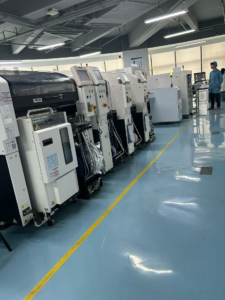
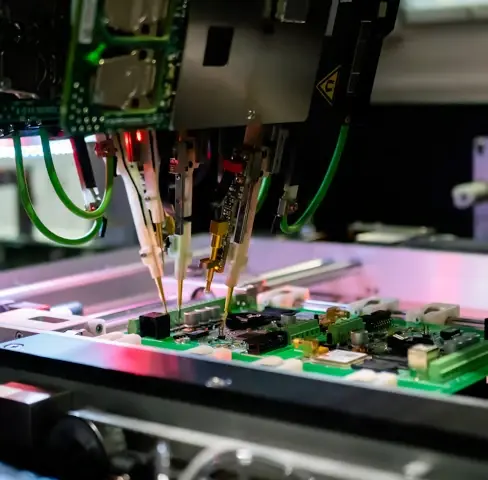
Automated Pick-And-Place Machines Position Surface Mount Components (SMD) Onto The Printed Circuit Board With High Precision.
Reflow Soldering
The PCB Passes Through A Reflow Oven Where Lead-Free Solder Paste Melts And Forms Strong Electrical Connections Between Components And PCB Pads.
Lead-Free Reflow Temperatures Typically Range Between:
240°C – 260°C
This Is Higher Than Traditional Leaded Soldering Temperatures.
Inspection And Quality Control
After Reflow Soldering, The PCB Assembly Undergoes Inspection Processes Such As:
- Automated Optical Inspection (AOI)
- X-Ray Inspection
- Functional Testing
- Electrical Testing
These Inspection Methods Ensure High Quality Lead Free PCBA Production.
Lead Free Vs Leaded PCB Assembly
Understanding The Differences Between Lead-Free And Traditional Printed Circuit Board Assembly Helps Engineers Select The Best Process For Their Application.
| Feature | Lead Free PCB Assembly | Leaded PCB Assembly |
|---|---|---|
| Solder Composition | Tin-Silver-Copper Alloys | Tin-Lead Alloy |
| Environmental Compliance | RoHS Compliant | Not RoHS Compliant |
| Reflow Temperature | Higher (240–260°C) | Lower (183–220°C) |
| Environmental Impact | Eco-Friendly | Contains Toxic Lead |
| Mechanical Strength | High Reliability | Good Reliability |
Today, Most Electronics Manufacturers Use Lead Free PCBA Assembly Technology To Meet Regulatory And Environmental Standards.
Advantages Of Lead Free PCB Assembly
Lead Free Circuit Board Assembly Provides Several Key Benefits For Electronics Manufacturing.
Environmental Compliance
Lead-Free Electronics Assembly Meets Global Environmental Regulations Including RoHS And WEEE Standards.
Improved Mechanical Strength
Lead-Free Solder Alloys Provide Stronger Mechanical Joints In Many Applications, Especially In High-Reliability Electronics Systems.
Better Long-Term Reliability
Properly Processed Lead Free PCBA Can Deliver Excellent Thermal Stability And Electrical Reliability In Modern Electronic Devices.
Industry Standard Manufacturing
Most Electronics Manufacturers Have Transitioned To Lead Free PCBA Assembly Production Lines To Support Global Supply Chains.
Challenges Of Lead Free PCB Assembly
Although Lead Free Electronics Assembly Offers Many Benefits, It Also Introduces Several Technical Challenges.
Higher Soldering Temperatures
Lead-Free Solder Requires Higher Reflow Temperatures, Which May Increase Thermal Stress On Components.
More Precise Process Control
Lead Free PCBA Assembly Requires Careful Control Of:
- Reflow Temperature Profiles
- Solder Paste Quality
- PCB Surface Finish
- Component Heat Tolerance
Increased Manufacturing Complexity
Compared With Traditional Printed Circuit Board Assembly, Lead-Free Processes Require More Advanced Equipment And Process Optimization.
Applications Of Lead Free PCB Assembly
Lead Free Printed Circuit Board Assembly Is Used Across Many High-Tech Industries.
Typical Applications Include:
- Consumer Electronics Manufacturing
- Automotive Electronics Systems
- Industrial Control Equipment
- Medical Electronics Devices
- Telecommunications Infrastructure
- Aerospace Electronic Systems
These Industries Require Reliable, RoHS-Compliant Circuit Board Assembly To Ensure Safety And Environmental Compliance.
Choosing A Professional Lead Free PCB Assembly Manufacturer
When Selecting A Lead Free Circuit Board Assembly Service Provider, Consider The Following Factors:
- RoHS Compliant Manufacturing Capability
- Advanced SMT Assembly Equipment
- Strict Quality Inspection Processes
- Experienced Engineering Support
- Stable Supply Chain Management
A Professional Lead Free PCBA Manufacturer Ensures High Quality Electronics Assembly And Reliable Product Performance.
Conclusion
Lead Free Printed Circuit Board Assembly Has Become The Global Standard For Modern Electronics Manufacturing. By Using Environmentally Friendly Solder Materials And Advanced PCB Assembly Technologies, manufacturers can produce reliable electronic products that comply with international environmental regulations.
With Proper Process Control, High-Quality Materials, And Professional Printed Circuit Board Assembly Equipment, Lead Free Circuit Board Assembly Provides Excellent Electrical Performance, Long-Term Reliability, And Sustainable Electronics Production.