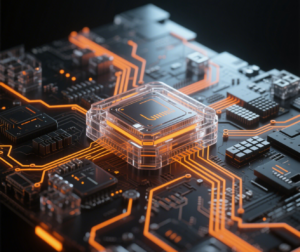
Components Circuit Board Refers To A Printed Circuit Board That Includes Electronic Components Mounted And Connected To Perform A Specific Electrical Function. In Modern Electronics, A Circuit Board By Itself Is Only A Bare Platform. Once Components Are Added, The Board Becomes A Functional Electronic System That Can Control Power, Process Signals, Store Data, Or Support Communication.
From Consumer Electronics And Industrial Equipment To Medical Devices, Automotive Products, And Smart Technology, A Components Circuit Board Plays A Critical Role In Product Performance And Reliability. Understanding The Main Parts On A Circuit Board Helps Explain How Electronic Devices Work And Why Component Selection Matters So Much In PCB Design And PCB Assembly.
What Is A Components Circuit Board?
A Components Circuit Board Is A Circuit Board That Holds And Connects Electronic Components Such As Resistors, Capacitors, Diodes, Transistors, Integrated Circuits, Connectors, And Sensors. These Parts Are Mounted Onto Copper Pads On The Board And Electrically Connected Through Soldering.
The Board Provides Mechanical Support And Conductive Pathways, While The Components Perform The Actual Electrical Functions. This Combination Makes The Components Circuit Board One Of The Most Important Foundations Of Modern Electronic Products.
Why A Components Circuit Boards Is Important
A Components Circuit Board Is Important Because It Brings Structure And Function Together In One Compact System. The Circuit Board Organizes The Layout Of The Product, While The Mounted Components Allow The Circuit To Perform Real Tasks Such As Signal Processing, Power Regulation, Timing, Data Control, Or Sensing.
Without Properly Selected Components, A Circuit Board Cannot Perform Its Intended Job. Without A Reliable Board Structure, Even High Quality Components Cannot Work Correctly. That Is Why The Quality Of A Components Circuit Board Depends On Both Good PCB Design And Good Component Integration.
Main Parts Of A Components Circuit Boards
A Components Circuit Board Can Include Many Different Types Of Electronic Parts Depending On The Product Application. Some Components Manage Current Flow. Store Energy. Control Logic. Others Provide Connections To External Devices.
The Main Parts Found On Most Circuit Boards Include Resistors, Capacitors, Inductors, Diodes, Transistors, Integrated Circuits, Connectors, Crystals, Sensors, And Power Management Components. Each One Plays A Different Role In The Full Circuit.
Resistors On A Components Circuit Boards
Resistors Are One Of The Most Common Parts On A Components Circuit Board. Their Main Function Is To Limit Current Flow, Divide Voltage, Or Set Operating Conditions Within A Circuit.
Resistors Help Protect Sensitive Components And Maintain Stable Circuit Behavior. They Are Used In Nearly Every Electronic Product, Which Makes Them One Of The Basic Building Blocks Of A Functional Circuit Board.
Capacitors On A Components Circuit Boards
Capacitors Are Another Essential Part Of A Components Circuit Board. A Capacitor Stores Electrical Charge And Releases It When Needed. These Parts Are Widely Used For Filtering, Decoupling, Timing, And Energy Support.
On Many Circuit Boards, Capacitors Help Stabilize Voltage Near Integrated Circuits, Smooth Power Supply Output, And Reduce Electrical Noise. Without Proper Capacitor Use, A Circuit May Become Unstable Or Noisy.
Inductors On A Components Circuit Boards
Inductors Store Energy In A Magnetic Field When Current Flows Through Them. On A Components Circuit Board, Inductors Are Commonly Used In Power Supply Circuits, Filters, And Signal Conditioning Systems.
They Are Especially Important In DC DC Converters, EMI Control Circuits, And High Frequency Applications. Although They May Not Appear In Every Design, Inductors Are Very Important In Boards That Require Power Conversion Or Filtering.
Diodes On A Components Circuit Boards
Diodes Are Components That Allow Current To Flow In One Direction While Blocking It In The Other Direction. On A Components Circuit Board, Diodes Are Used For Rectification, Protection, Switching, And Signal Control.
Common Types Include Standard Diodes, Zener Diodes, Schottky Diodes, Light Emitting Diodes, And Protection Diodes. These Parts Help Improve Circuit Safety, Power Flow Control, And Overall Electrical Stability.
Transistors On A Components Circuit Boards
Transistors Are Active Parts Found On Almost Every Modern Components Circuit Board. They Are Used For Switching And Amplification. A Transistor Can Turn Electrical Signals On And Off Or Boost Small Signals Into Larger Ones.
Common Transistor Types Include Bipolar Junction Transistors And MOSFETs. These Parts Are Essential In Power Control, Logic Operations, Signal Amplification, And Many Other Electronic Functions.
Integrated Circuits On A Components Circuit Boards
Integrated Circuits, Often Called ICs Or Chips, Are Some Of The Most Important Parts On A Components Circuit Boards. An IC Can Combine Many Electrical Functions Into One Small Package.
Depending On The Design, Integrated Circuits May Handle Logic, Processing, Memory, Timing, Power Management, Communication, Or Signal Conversion. Because They Can Replace Many Separate Components, ICs Help Make Circuit Boards Smaller, Smarter, And More Efficient.
Connectors On A Components Circuit Boards
Connectors Are Used To Link A Components Circuit Boards To External Devices, Wires, Power Sources, Or Other Boards. These Parts Make It Possible For The Circuit To Interact With The Rest Of The Product.
Common Connector Types Include Pin Headers, USB Connectors, Terminal Blocks, Wire To Board Connectors, And Board To Board Connectors. The Right Connector Depends On The Application, Signal Type, Current Level, And Mechanical Requirements.
Crystals And Oscillators On A Components Circuit Boards
Crystals And Oscillators Provide Timing Signals For Digital Circuits. A Components Circuit Boards Often Uses These Parts To Give Microcontrollers, Processors, And Communication Devices A Stable Clock Source.
Accurate Timing Is Essential In Data Processing, Signal Transfer, And System Synchronization. That Is Why Crystals And Oscillators Are Important In Many Embedded Systems And Digital PCB Designs.
Sensors On A Components Circuit Boards
Some Components Circuit Boards Designs Include Sensors To Detect Environmental Conditions Such As Temperature, Pressure, Motion, Light, Or Humidity. These Components Allow The Circuit Boards To Collect Information From The Real World.
Sensors Are Common In Smart Devices, IoT Products, Medical Equipment, Automotive Electronics, And Industrial Monitoring Systems. They Add Intelligence And Responsiveness To Modern Electronic Products.
Power Management Parts On A Components Circuit Boards
A Components Circuit Boards Often Includes Parts That Manage Power Flow And Voltage Stability. These Can Include Voltage Regulators, DC DC Converters, Power MOSFETs, Current Sense Resistors, And Protection Devices.
Power Management Components Help Deliver Stable Voltage To Sensitive Circuits And Protect The Product From Electrical Problems. They Are Especially Important In Battery Powered Devices, High Power Boards, And Multi Voltage Systems.
Surface Mount And Through Hole Components
A Components Circuit Boards May Use Surface Mount Components, Through Hole Components, Or A Combination Of Both. Surface Mount Components Are Mounted Directly On The Surface Of The Board. Through Hole Components Have Leads That Pass Through Holes In The PCB.
Surface Mount Technology Supports Smaller Parts, Higher Density Layouts, And Faster Automated Assembly. Through Hole Technology Is Often Used For Larger Components, Stronger Mechanical Connections, And Certain Power Devices. Many Modern Circuit Boards Use Both Methods Together.
How Components Affect Circuit Boards Performance
The Performance Of A Components Circuit Board Depends Heavily On The Quality And Suitability Of The Components Used. The Wrong Component Value, Poor Tolerance, Low Quality Materials, Or Incorrect Package Selection Can Affect Signal Quality, Power Stability, Heat Management, And Product Lifespan.
That Is Why Engineers Must Carefully Select Components Based On Voltage, Current, Temperature Range, Tolerance, Package Size, And Application Requirements. Good Component Selection Helps Improve Reliability And Long Term Product Performance.
Applications Of A Components Circuit Boards
A Components Circuit Boards Is Used In Nearly Every Electronics Industry. Consumer Products Use It In Phones, Tablets, Laptops, Wearables, And Smart Home Devices. Industrial Systems Use It In Automation Controls, Monitoring Equipment, And Power Management Products.
Automotive Electronics Use Components Circuit Boards Designs In Sensors, Displays, Lighting Systems, And Vehicle Control Units. Medical Devices Use Them In Monitoring Equipment, Diagnostic Systems, And Portable Health Devices. Communication Products Also Depend On High Quality Circuit Boards With Reliable Components For Data And Signal Processing.
Conclusion
A Components Circuit Boards Is The Combination Of A Circuit Boards And The Electronic Parts Mounted On It To Create A Functional System. The Boards Provides Support And Electrical Pathways, While The Components Perform The Real Work Of The Circuit.
From Resistors And Capacitors To Integrated Circuits, Connectors, Sensors, And Power Devices, Every Part On A Components Circuit Boards Has A Specific Role. Together, These Parts Make Modern Electronics Possible. Whether You Are Designing A PCB, Building A Prototype, Or Learning About Electronics, Understanding The Structure Of A Components Circuit Boards Helps You Better Understand How Electronic Products Work.