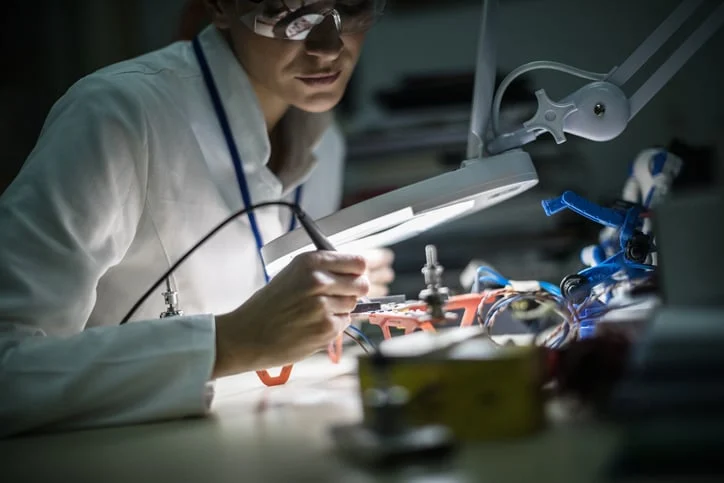
Soldering Wire To A PCB Is A Common Step In Electronics Assembly, Repair, Prototyping, And Product Manufacturing. A Strong Connection Between The Wire And The PCB Helps Ensure Stable Electrical Performance, Better Signal Transfer, And Long-Term Reliability. Whether You Are Working On A Small DIY Project, A Power Connection, Or A Professional PCB Assembly, Learning How To Solder Wire To PCB Correctly Can Help You Avoid Weak Joints, Broken Connections, And Heat Damage.
A Good Wire-To-Board Connection Requires More Than Just Melting Solder. You Need The Right Wire Type, Proper Pad Preparation, Correct Temperature, Clean Surfaces, And Careful Technique. When Done Properly, Solder Wire To PCB Work Creates A Durable Joint That Can Handle Electrical Load, Mechanical Stress, And Daily Use.
What Does It Mean To Solder Wire To PCB?
To Solder Wire To PCB Means To Attach A Wire Securely To A Copper Pad, Through-Hole, Terminal, Or Connection Point On A Printed Circuit Board Using Solder. The Solder Melts And Flows Around The Metal Surfaces, Then Cools To Form A Conductive And Mechanical Bond.
This Process Is Used In Many Applications, Including Power Input Leads, Battery Connections, Switch Wiring, Speaker Wires, Sensor Cables, LED Assemblies, And General Circuit Board Repair. A Proper PCB Soldering Method Helps Prevent Loose Wires, Intermittent Signals, And Short Circuits.
Why Proper Wire Soldering Matters
A Poor Joint Can Cause Major Problems In An Electronic Product. If The Wire Is Not Properly Attached To The PCB, The Connection May Become Weak, Resistive, Or Unstable. Over Time, Vibration, Heat, Or Pulling Force May Cause The Joint To Fail.
A Good Solder Wire To PCB Connection Improves Electrical Conductivity, Mechanical Strength, And Overall Product Reliability. In Professional PCB Assembly, Clean And Well-Formed Solder Joints Are Essential For Long-Term Performance.
Tools Needed To Solder Wire To PCB
Before Starting How To Solder Wire To PCB, Make Sure You Have The Right Tools. A Temperature-Controlled Soldering Iron, Quality Solder Wire, Wire Stripper, Side Cutter, Tweezers, Flux, And A Clean Sponge Or Brass Wool Are Commonly Used. In Many Cases, Helping Hands Or A PCB Holder Can Also Make The Work Easier.
The Right Tools Help Improve Accuracy, Reduce Overheating, And Support Better PCB Soldering Results.
Choose The Right Wire And PCB Connection Point
Before You Solder Wire To PCB, Confirm That The Wire Size Matches The Current Load And The Pad Or Hole Size On The Printed Circuit Board. Thin Signal Wires Need Less Heat And Smaller Pads, While Power Wires Usually Need Larger Pads Or Reinforced Through-Holes.
If The PCB Has Through-Holes For Wire Insertion, The Soldering Process Is Usually More Secure. If The Wire Must Be Attached Directly To A Surface Pad, The Joint Must Be Made Carefully To Avoid Lifting The Pad Or Damaging The Trace.
Prepare The Wire Before Soldering
Wire Preparation Is An Important Part Of How To Solder Wire To PCB. First, Strip The Insulation From The End Of The Wire. Only Remove Enough Insulation To Expose The Metal Conductor Needed For The Joint. Too Much Exposed Wire Can Increase The Risk Of Short Circuits.
After Stripping, Twist The Wire Strands Neatly So They Stay Together. Then Tin The Wire By Applying A Small Amount Of Solder To The Exposed Conductor. Tinning Helps The Wire Hold Its Shape And Makes It Easier To Solder Wire To PCB Quickly And Cleanly.
Prepare The PCB Pad Or Hole
Before Soldering, Check The PCB Pad Or Through-Hole To Make Sure It Is Clean And Free From Dirt, Oxidation, Or Old Solder Problems. If Necessary, Clean The Area With Isopropyl Alcohol And Let It Dry Fully.
If You Are Repairing A Used Circuit Board, Remove Damaged Solder Or Excess Residue Before Making A New Connection. A Clean Surface Helps The Solder Flow Better And Improves Joint Quality.
Apply Flux For Better Solder Flow
Flux Helps Remove Oxidation And Improves Wetting Between The Wire, Solder, And PCB Pad. In Many PCB Soldering Jobs, Flux Makes The Joint Cleaner, Smoother, And Easier To Form.
If The Solder Does Not Flow Properly Or The Pad Looks Dull, Adding A Small Amount Of Flux Can Improve The Result. This Is Especially Helpful When Working On Small Pads, Repair Jobs, Or Wires That Need A Strong Electrical Contact.
How To Solder Wire To PCB Step By Step
Step 1: Heat The Soldering Iron
Set The Soldering Iron To A Suitable Temperature Based On The Solder Type And PCB Design. The Iron Should Be Hot Enough To Melt The Solder Quickly But Not So Hot That It Burns The Pad Or Damages The Board.
Step 2: Position The Wire
Place The Tinned Wire Into The Hole Or Against The PCB Pad. Hold It Steady So It Does Not Move During Soldering. Good Positioning Is Important For A Strong And Clean Solder Wire To PCB Joint.
Step 3: Heat The Pad And The Wire Together
Touch The Soldering Iron Tip To Both The Wire And The PCB Connection Point At The Same Time. This Ensures Both Surfaces Reach The Right Temperature Together. Do Not Melt The Solder Only On The Iron Tip And Drop It Onto The Joint.
Step 4: Feed The Solder Into The Joint
Once The Pad And Wire Are Hot Enough, Feed The Solder Into The Joint Area. The Solder Should Flow Smoothly Around The Wire And Onto The PCB Pad Or Through-Hole. A Good Joint Usually Looks Smooth, Shiny, And Even.
Step 5: Remove The Solder And Iron
After Enough Solder Has Flowed Into The Joint, Remove The Solder Wire First And Then Remove The Iron. Hold The Wire Still For A Few Seconds While The Solder Cools And Solidifies.
Step 6: Inspect The Connection
After The Joint Cools, Inspect It Carefully. A Good PCB Soldering Joint Should Be Firm, Clean, And Properly Bonded To Both The Wire And The Board. It Should Not Look Cracked, Ball-Shaped, Dull, Or Loose.
How To Recognize A Good Solder Joint
A Good Solder Wire To PCB Joint Usually Has A Smooth Surface And A Strong Mechanical Hold. The Solder Should Cover The Connection Area Without Forming A Large Blob. The Wire Should Stay In Place Without Movement, And The Joint Should Not Pull Away From The Pad.
A Proper Joint Also Shows Good Wetting, Which Means The Solder Has Flowed Naturally Onto Both The Wire And The PCB Copper Surface.
Common Mistakes When Soldering Wire To PCB
Many Problems Happen Because The Joint Is Rushed Or The Surfaces Are Not Prepared Correctly. A Cold Joint Happens When The Solder Does Not Fully Bond To The Metal Surfaces. This Often Creates A Dull, Weak, Or Unreliable Connection.
Too Much Solder Can Cause Bridging, Short Circuits, Or Stress On The Pad. Too Little Solder Can Make The Joint Weak. Too Much Heat Can Lift The PCB Pad, Damage The Trace, Melt The Insulation, Or Overheat Nearby Components.
Another Common Mistake In How To Solder Wire To PCB Is Moving The Wire Before The Solder Fully Cools. This Can Create A Cracked Or Unstable Joint.
How To Protect The PCB From Damage
When You Solder Wire To PCB, Always Work Carefully To Protect The Printed Circuit Board. Use The Correct Temperature, Avoid Long Heating Time, And Do Not Press Too Hard With The Iron Tip. If The Pad Is Small Or Delicate, Work Quickly And Precisely.
For Heavier Wires, Mechanical Support Is Often Helpful. If A Thick Wire Pulls On The PCB Pad Repeatedly, The Copper May Lift Or Break Over Time. Strain Relief, Glue, Cable Ties, Or Connector Support Can Help Reduce Stress On The Solder Joint.
Through-Hole Vs Surface Pad Wire Soldering
If You Need To Solder Wire To PCB Through A Hole, The Wire Usually Gets Better Mechanical Support Because The Hole Helps Hold The Wire In Position. Through-Hole Connections Are Common For Power Leads, Transformers, Switch Wires, And External Cables.
If You Need To Solder A Wire Directly To A Surface Pad, The Work Requires More Care. Surface Pads Can Be Smaller And Easier To Damage, So Temperature Control And Good Technique Are Very Important.
When To Use Connectors Instead Of Direct Wire Soldering
In Some Products, It Is Better To Use Connectors Instead Of Directly Solder Wire To PCB. Connectors Make Repair, Replacement, And Assembly Easier. They Also Reduce Mechanical Stress On The PCB Pads When Wires Need To Be Plugged In And Removed Repeatedly.
However, Direct PCB Soldering Is Still Common In Low-Cost Products, Permanent Installations, Compact Designs, And Applications Where Strong Electrical Contact Is Needed.
Tips For Better PCB Wire Soldering
To Improve How To Solder Wire To PCB, Always Keep The Soldering Iron Tip Clean, Use Proper Flux, Tin The Wire First, And Hold The Wire Steady During Cooling. Work In A Clean Area And Inspect Every Joint Carefully After Soldering.
If The Application Carries Higher Current, Make Sure The Wire Gauge, Pad Size, And Solder Joint Strength Match The Electrical Requirement. A Reliable PCB Connection Depends On Both Good Soldering Technique And Correct Design Matching.
Conclusion
Knowing How To Solder Wire To PCB Correctly Is Essential For Electronics Repair, Prototyping, And Professional PCB Assembly. A Strong Joint Requires Clean Surfaces, Proper Wire Preparation, Correct Heating, Good Solder Flow, And Careful Inspection. When The Process Is Done Well, The Wire And PCB Form A Stable Electrical And Mechanical Connection That Supports Long-Term Performance.
Whether You Are Working On A Small Circuit Board, A Prototype PCB, Or A Full Printed Circuit Board Assembly, Good PCB Soldering Technique Helps Reduce Failures, Improve Product Reliability, And Create Cleaner, More Durable Results.