
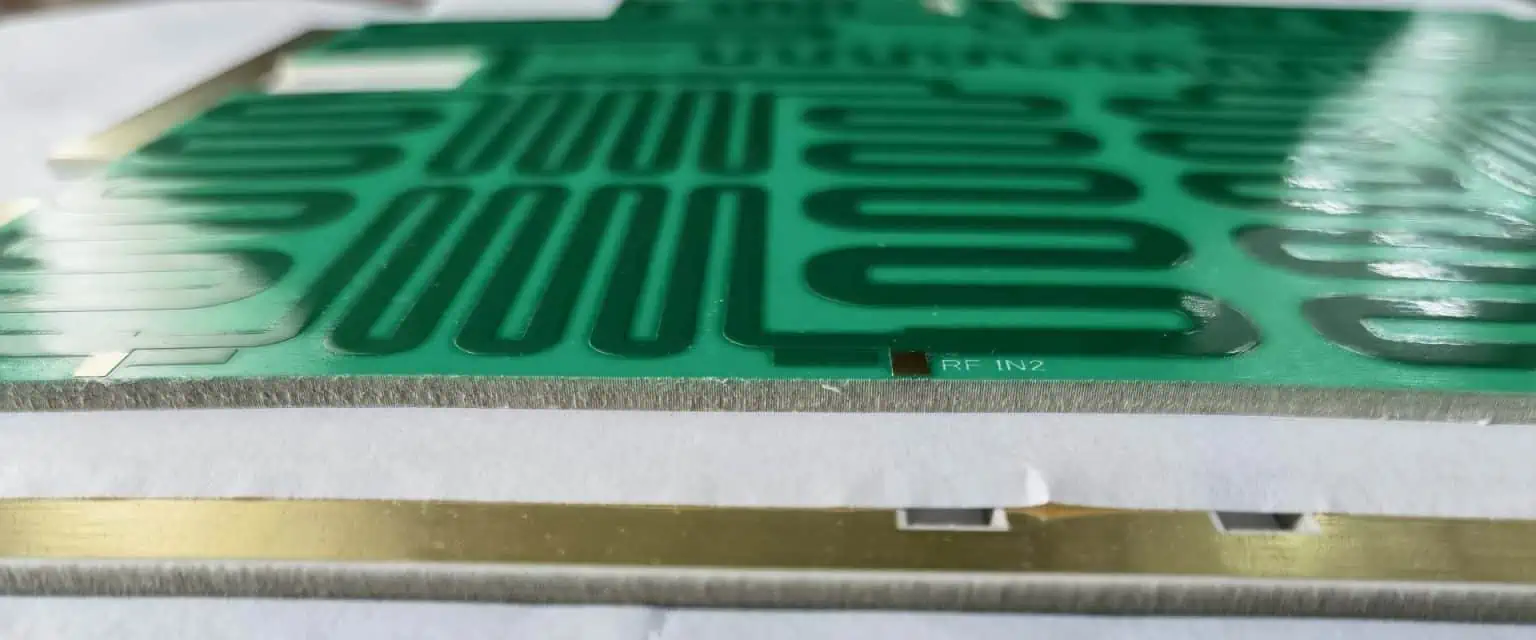
Modern Electronic Products Continue To Become Smaller, More Powerful, And More Demanding In Terms Of Heat Management And Reliability. In Many High-Performance Applications, Traditional FR4 Materials Cannot Fully Meet The Requirements For Thermal Stability, Electrical Insulation, And Long-Term Durability. For This Reason, More Engineers And Manufacturers Choose The Alumina Circuit Board As A Reliable Solution For Advanced Electronic Designs.
An Alumina Circuit Board Is Also Commonly Called An Alumina PCB, Aluminum Oxide PCB, Alumina Ceramic PCB, Ceramic Circuit Board, Or Ceramic Printed Circuit Board. It Uses Alumina Ceramic, Usually Aluminum Oxide Or Al₂O₃, As The Base Material Instead Of Standard Glass Fiber Epoxy. Because Of Its Strong Electrical Insulation, Stable Mechanical Properties, Good Thermal Conductivity, And Excellent Heat Resistance, It Has Become One Of The Most Popular Ceramic PCB Materials In Modern Electronics.
What Is An Alumina Circuit Board?
An Alumina Circuit Board Is A Type Of Ceramic PCB Built On An Aluminum Oxide Substrate. Unlike Standard PCB Materials, Alumina Ceramic Provides A Much More Stable Platform For Electronic Circuits That Need To Operate Under High Temperatures, High Voltage, Or Harsh Environmental Conditions. This Kind Of Board Is Widely Used In Power Electronics, LED Modules, Automotive Electronics, Hybrid Circuits, Industrial Control Systems, Sensors, And Telecommunications Devices.
In Practical Terms, The Alumina Substrate Supports The Copper Circuit Layer While Also Acting As An Electrical Insulator And A Heat Transfer Medium. This Combination Makes The Alumina Circuit Board A Strong Choice For Electronic Products That Need Better Thermal Performance Than FR4 But Also Require Excellent Electrical Isolation.
Why Alumina Circuit Board Is Important
As Electronic Components Generate More Heat In Smaller Spaces, PCB Material Selection Becomes Increasingly Important. Heat Is One Of The Main Causes Of Electronic Failure. Excessive Temperature Can Reduce Component Life, Lower Performance, And Create Reliability Risks In Critical Systems. The Alumina Circuit Board Solves Many Of These Problems By Offering Better Thermal Management And More Stable Electrical Performance.
Because Alumina Ceramic Has High Hardness, Strong Insulation, Good Chemical Stability, And Low Water Absorption, It Performs Well In Demanding Applications Where Standard PCB Materials May Degrade Over Time. This Is Why Aluminum Oxide PCB Technology Has Become Important In Sectors Such As Automotive Electronics, High-Power LED Lighting, Semiconductor Modules, Power Converters, And Industrial Automation.
Main Properties Of Alumina Circuit Board
The Performance Of An Alumina Circuit Board Comes From The Natural Properties Of Alumina Ceramic Material. These Features Make It One Of The Most Widely Used Ceramic Substrates In The Electronics Industry.
Good Thermal Conductivity
One Of The Most Important Benefits Of An Alumina Ceramic PCB Is Its Ability To Dissipate Heat Better Than Conventional PCB Materials. This Makes It Suitable For High-Power Applications That Generate Continuous Heat During Operation. Better Heat Transfer Helps Improve Reliability, Extend Product Life, And Reduce Thermal Stress On Sensitive Components.
Excellent Electrical Insulation
An Aluminum Oxide PCB Combines Heat Transfer Capability With Strong Electrical Isolation. This Is Very Important In Power Devices, High-Voltage Modules, And Applications That Require Safe Separation Between Conductive Paths And The Base Material.
High Temperature Resistance
An Alumina Circuit Board Maintains Stable Performance In High-Temperature Environments. It Can Tolerate Far More Heat Than Traditional FR4 Boards, Which Makes It Suitable For Harsh Industrial Conditions, Power Modules, And High-Temperature Electronics.
Strong Mechanical Hardness
Alumina Ceramic Offers High Hardness And Good Wear Resistance. This Gives The Board Strong Surface Stability And Dimensional Consistency. In Precision Electronic Applications, A Stable Substrate Helps Maintain Quality And Reliability During Manufacturing And Long-Term Use.
Corrosion Resistance
Ceramic Materials Resist Many Chemicals And Harsh Environmental Conditions. This Property Makes The Ceramic Circuit Board A Good Option For Electronics Used In Challenging Industrial Or Outdoor Environments.
Low Water Absorption
A Low Moisture Absorption Rate Helps The Board Maintain Stable Electrical And Mechanical Performance Over Time. This Is Especially Valuable In Applications Where Humidity Could Affect Traditional PCB Materials.
Common Types Of Alumina Circuit Board
Not All Alumina Substrates Are The Same. Different Purity Levels Affect Cost, Density, Surface Quality, And Performance.
96% Alumina Circuit Board
A 96% Alumina Circuit Board Is One Of The Most Common Choices In Commercial And Industrial Applications. It Offers A Strong Balance Between Cost And Performance. For Many Power Modules, LED Products, And General Ceramic PCB Projects, 96% Alumina Delivers Reliable Results At A More Competitive Cost.
99% Alumina Circuit Board
A 99% Alumina PCB Provides Higher Material Purity, Better Density, And Improved Surface Performance. It Is Often Chosen For Higher-End Applications That Need More Precise Electrical Characteristics Or Greater Material Stability. Although It Costs More, It Can Be A Better Solution For Advanced Electronic Designs.
Advantages Of Alumina Circuit Board
The Alumina Circuit Board Has Become Popular Because It Solves Multiple Engineering Problems At The Same Time.
Better Heat Dissipation
Compared With Standard FR4, Alumina Transfers Heat More Efficiently. This Helps Prevent Overheating In High-Power Components Such As LEDs, Resistors, Semiconductor Devices, And Power Modules.
Strong Electrical Isolation
Unlike Metal Core Boards, Alumina Ceramic Naturally Provides Electrical Insulation While Supporting Thermal Management. This Improves Safety And Design Flexibility.
High Reliability In Harsh Environments
Because Alumina Handles Heat, Moisture, Chemical Exposure, And Mechanical Stress Better Than Many Traditional Materials, It Is A Reliable Option For Long-Term Electronic Performance.
Suitable For Compact High-Power Designs
As Products Become Smaller And More Powerful, Designers Need Materials That Support High Power Density. An Alumina Ceramic Board Makes Compact And Thermally Efficient Designs Easier To Achieve.
Stable Performance Over Time
Ceramic PCB Materials Offer Good Dimensional Stability, Which Supports Consistent Circuit Performance And Reliable Manufacturing Results.
Disadvantages Of Alumina Circuit Board
Although The Alumina Circuit Boards Osffers Many Benefits, It Also Has Limitations That Buyers And Engineers Should Understand.
Higher Cost Than FR4
Ceramic PCB Materials Usually Cost More Than Standard FR4 Boards. The Raw Material, Processing Methods, And Manufacturing Requirements All Increase Overall Cost.
More Brittle Material
Alumina Ceramic Is Hard But Brittle. It Does Not Flex Like FR4. If It Is Handled Improperly, Dropped, Or Subjected To Mechanical Shock, It May Crack Or Chip.
More Complex Manufacturing
Alumina PCB Fabrication Requires Specialized Ceramic PCB Processes. Not Every PCB Factory Can Produce High-Quality Aluminum Oxide PCB Products. This Makes Supplier Selection More Important.
Alumina Circuit Board Vs FR4 PCB
Many Buyers Compare Alumina Circuit Boards With FR4 To Decide Which Material Better Matches Their Application.
FR4 Is A Cost-Effective And Widely Used PCB Material For Consumer Electronics And General Products. It Works Well In Normal Conditions And Supports Large-Scale Manufacturing At Lower Cost. However, FR4 Has Lower Thermal Conductivity And Lower Temperature Resistance.
An Alumina Circuit Boards Performs Better In Applications That Require Heat Dissipation, High Electrical Insulation, High Temperature Stability, And Better Long-Term Reliability. If The Product Includes Power Components, LED Chips, High Voltage, Or Harsh Environmental Conditions, Alumina Is Often The Better Choice.
Alumina Circuit Board Vs Aluminum PCB
Another Common Comparison Is Between Alumina Circuit Boards And Aluminum PCB.
An Aluminum PCB Uses A Metal Core Structure That Helps Spread Heat Efficiently. It Is Common In LED Lighting And Cost-Sensitive Thermal Applications. However, Aluminum PCBs Usually Depend On An Insulating Layer Between The Circuit And The Metal Base.
An Alumina Circuit Board Uses Ceramic As The Base Material, So It Naturally Combines Insulation And Heat Management In One Structure. This Makes It Better For High-Voltage, High-Reliability, And High-Temperature Applications. While Aluminum PCBs Are Suitable For Many Lighting Products, Alumina Ceramic PCB Technology Often Performs Better In More Demanding Electronic Systems.
Applications Of Alumina Circuit Board
Because Of Its Balanced Performance, The Alumina Circuit Board Is Used Across Many Industries.
LED Lighting
High-Brightness LED Products Generate Significant Heat. A LED Ceramic PCB Helps Transfer Heat Away From The LED Chip, Improving Stability, Efficiency, And Lifespan.
Automotive Electronics
Automotive Systems Often Face Heat, Vibration, And Harsh Environmental Conditions. An Automotive Ceramic PCB Supports Reliable Performance In Sensors, Power Modules, And Control Electronics.
Power Electronics
Power Supplies, Inverters, Converters, And Semiconductor Modules Need Strong Insulation And Effective Heat Dissipation. An Aluminum Oxide PCB Is Well Suited For These Tasks.
Industrial Equipment
Industrial Electronics Demand Long-Term Reliability, Especially In Hot Or Chemically Harsh Environments. Ceramic Circuit Boards Perform Well In These Conditions.
Sensors And Hybrid Circuits
Because Alumina Ceramic Offers Surface Stability And Good Electrical Properties, It Is Common In Sensor Modules, Thick Film Circuits, And Hybrid Electronic Assemblies.
Telecommunications And Advanced Electronics
Telecom Devices And Precision Electronics Often Require Materials That Deliver Stable Performance Over Time. Alumina Ceramic Substrates Provide This Reliability.
How Alumina Circuit Boards Are Manufactured
The Manufacturing Of An Alumina Circuit Board Is More Specialized Than The Production Of Traditional PCBs. The Process Usually Begins With The Preparation Of The Alumina Ceramic Substrate. After That, The Surface Must Be Metallized So That Conductive Circuit Layers Can Be Added. Depending On The Application, Manufacturers May Use Different Ceramic PCB Technologies To Create The Circuit Pattern.
After Metallization, The Board Undergoes Circuit Formation, Drilling Or Via Processing If Required, Surface Treatment, And Final Inspection. In Some Projects, The Finished Board Continues Into PCB Assembly, Wire Bonding, Or Hybrid Module Packaging. Because The Process Is Technically Demanding, It Is Important To Work With An Experienced Ceramic PCB Manufacturer That Understands Material Control, Precision Fabrication, And Quality Assurance.
How To Choose The Right Alumina Circuit Board
Choosing The Right Alumina Circuit Board Depends On The Specific Needs Of Your Project. Engineers And Buyers Should Evaluate Several Key Factors Before Finalizing The Design.
First, Consider The Required Thermal Performance. Higher Heat Loads Usually Need Better Ceramic Substrate Performance. Second, Review The Voltage And Insulation Requirements Of The Circuit. Third, Decide Whether 96% Alumina Or 99% Alumina Better Matches Your Cost And Performance Goals. Fourth, Check The Required Board Size, Thickness, Copper Pattern Complexity, And Assembly Process.
It Is Also Important To Evaluate The Supplier’s Manufacturing Experience, Ceramic PCB Capability, Material Quality, And Engineering Support. A Reliable Supplier Can Help Improve Product Quality, Shorten Development Time, And Reduce Manufacturing Risk.
Conclusion
The Alumina Circuit Board Has Become One Of The Most Important Materials In Advanced Electronic Design. It Offers A Strong Combination Of Thermal Conductivity, Electrical Insulation, High Temperature Resistance, Mechanical Stability, And Long-Term Reliability. Compared With Traditional FR4, It Performs Better In High-Power And Harsh-Environment Applications. Compared With Some Other Thermal PCB Options, It Provides A Balanced Combination Of Performance And Practical Value.
For LED Lighting, Power Electronics, Automotive Systems, Industrial Control Equipment, Sensors, And Other High-Reliability Products, The Alumina Circuit Board Is A Proven And Effective Solution. As Electronics Continue To Demand Better Heat Management And Greater Stability, Alumina PCB, Aluminum Oxide PCB, And Ceramic Circuit Board Technologies Will Continue To Play A Major Role In The Future Of Electronic Manufacturing.