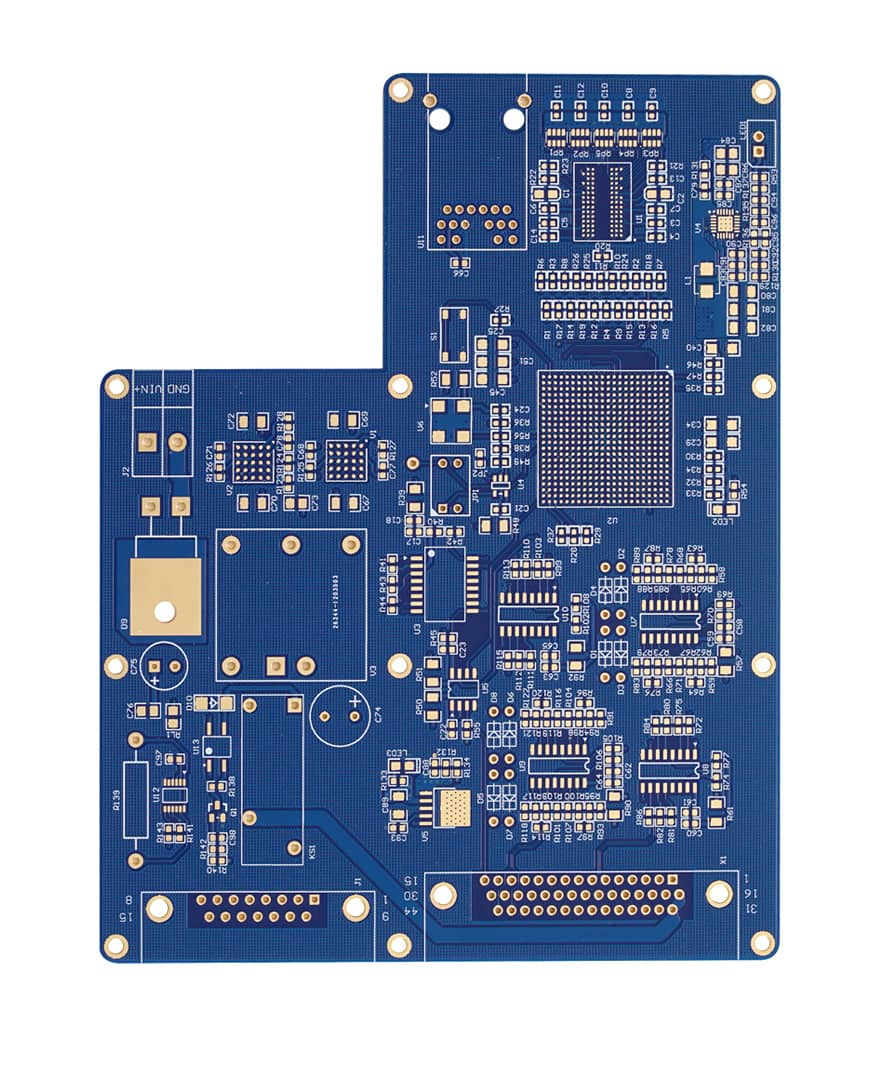
Circuit Board Is One Of The Most Important Foundations Of Modern Electronics. From Consumer Devices And Smart Home Products To Automotive Systems And Industrial Equipment, nearly every electronic product depends on a reliable board to support components and create electrical connections.
Circuit Board, also commonly called a PCB, Printed Circuit Board, Electronic PCB, PCB Board, Or Printed Wiring Board, provides a compact and efficient way to connect electronic parts inside a device. For OEM Buyers, Product Developers, Engineers, And Sourcing Managers, understanding How PCB works is essential when choosing the right design, material, and manufacturing partner.
What Is A Circuit Board
PCBA Is A Flat Insulating Board With Conductive Copper Traces That Create Electrical Pathways Between Electronic Components. Instead of relying on bulky wire connections, the board uses printed copper routes to guide signals and power through the circuit.
A typical Electronic Circuit Board includes:
- Base Substrate
- Copper Layers
- Solder Mask
- Silkscreen Legend
- Pads And Vias
- Surface Finish
These features allow the board to provide both Mechanical Support and Electrical Connectivity for components such as resistors, capacitors, chips, connectors, and integrated circuits.
How A Circuit Board Works
PCBs Works By Routing Electrical Current Through Copper Traces Based On A Specific Design Layout. Once components are mounted and soldered onto the board, the PCB allows signals and power to move between different parts of the system.
In simple products, a board may only manage basic power distribution and control functions. In more advanced devices, a Multilayer PCB can handle high-speed signal routing, grounding, thermal management, and dense component placement.
Because of this, the quality of the PCB Design directly affects product performance, reliability, and manufacturability.
Main Types Of Circuit Boards
Different products require different board structures. The most common Pcbs Types include the following.
Single-Sided Circuit Board
A Single-Sided Pcb has one copper layer on one side of the substrate. It is often used in simple, cost-sensitive electronic products.
Double-Sided Circuit Board
A Double-Sided PCB Boards
has copper layers on both sides of the boards, allowing more routing flexibility and higher circuit density.
Multilayer Circuit Board
A Multilayer PCB Board contains multiple conductive layers laminated together. This type is widely used in computers, telecom systems, automotive electronics, and industrial controls.
Rigid Circuit Board
A Rigid PCB uses a solid substrate such as FR-4 and keeps its shape during operation. It is the most common structure in modern electronics manufacturing.
Flexible Circuit Board
A Flexible Printed PCBs, also called a Flex PCB, can bend and fold. It is often used in compact electronics, wearable devices, cameras, and medical products.
Rigid-Flex Circuit Board
A Rigid-Flex PCBA combines rigid and flexible sections in a single design, offering both durability and installation flexibility.
Common Materials Used In Circuit Boards
The material selection of PCB plays a major role in electrical performance, cost, and reliability. Common materials include:
- FR-4 Material For Standard Electronics
- High TG Material For Better Thermal Stability
- Aluminum Circuit Board Material For Heat Dissipation
- Polyimide Material For Flexible Boards
- Ceramic Material For Specialized High-Temperature Applications
The right substrate, copper thickness, and dielectric properties help ensure that the board performs well in its intended application.
Circuit Board Design Process
A successful PCB Design starts with a schematic and then moves into PCB layout. Engineers define trace paths, component placement, vias, grounding, and layer stackup based on the product’s electrical and mechanical requirements.
Key design considerations include:
- Trace Width And Spacing
- Via Design
- Layer Stackup
- Component Placement
- Signal Integrity
- Thermal Management
- Manufacturability
A well-optimized PCBs Layout improves assembly efficiency, product stability, and long-term reliability.
Circuit Board Manufacturing Process
The PCBs Manufacturing Process converts design files into a finished bare board ready for assembly.
This process usually includes:
Material Preparation
The substrate and copper-clad laminate are selected and prepared based on board thickness and layer requirements.
Imaging And Etching
The circuit pattern is transferred to the copper, and unwanted copper is removed to form traces.
Drilling And Plating
Holes are drilled for vias and through-hole parts, then plated when electrical interconnection is required.
Solder Mask And Silkscreen
A solder mask protects the copper, while silkscreen markings identify components and assembly locations.
Surface Finish
A final finish is added to exposed copper pads. Common finishes include:
- ENIG
- HASL
- OSP
- Immersion Tin
- Immersion Silver
Testing And Inspection
Finished boards are tested for continuity, isolation, and manufacturing quality before shipment or assembly.
Circuit Board Assembly Methods
After fabrication, the next step is PCBA Assembly, where components are mounted onto the board.
The two main methods are:
Surface Mount Technology
SMT Assembly places components directly on the board surface. This method is ideal for high-density and high-volume electronics production.
Through-Hole Technology
Through-Hole Assembly inserts component leads through drilled holes and solders them in place. It is often used for connectors, heavy components, and products requiring strong mechanical support.
Many products use a combination of SMT And Through-Hole Assembly for the best balance of size, strength, and functionality.
Applications Of Circuit Boards
A PCB is used across nearly every major electronics sector. Common applications include:
- Consumer Electronics
- Automotive Electronics
- Industrial Control Equipment
- Medical Devices
- LED Lighting Systems
- Telecommunications Products
- Computer Hardware
- Power Supply Systems
- Smart Home Devices
- Aerospace And Defense Electronics
Because of this wide range of uses, demand for Custom Circuit Boards and PCB Assembly Services continues to grow.
Why Circuit Board Quality Matters
The quality of a PCBs directly affects electrical performance, assembly yield, and product reliability. Poor board quality can lead to signal problems, soldering defects, overheating, and long-term failure.
High-quality PCB Manufacturing focuses on:
- Accurate Copper Etching
- Reliable Hole Plating
- Stable Layer Alignment
- Good Solderability
- Strong Thermal Performance
- Strict Inspection And Testing
For OEM Brands And Electronics Companies, choosing a trusted Circuit Board Manufacturer is critical for successful product development and production.
How To Choose The Right Circuit Board Supplier
When selecting a Circuit Board Supplier for the U.S. market, buyers usually evaluate several important factors:
- Manufacturing Capability
- Layer Count Support
- Material Options
- Surface Finish Choices
- Tolerance Control
- Lead Time
- Prototype Support
- Mass Production Capacity
- PCB Assembly Capability
- Engineering Support
A strong supplier should be able to support everything from PCBs Prototyping to Full PCB Fabrication And Assembly.
Conclusion
A Circuit Board is the core platform that supports modern electronic design and manufacturing. By providing both structural support and electrical connections, it allows components to work together in a compact, reliable, and scalable form.
From Single-Sided Circuit Boards to Multilayer PCBs, and from Bare Board Fabrication to Complete PCB Assembly, circuit board technology remains essential across consumer, industrial, automotive, and medical electronics.
For companies targeting the U.S. market, understanding PCB Types, Materials, Design, Manufacturing, And Assembly helps improve product quality and makes it easier to choose the right manufacturing solution.