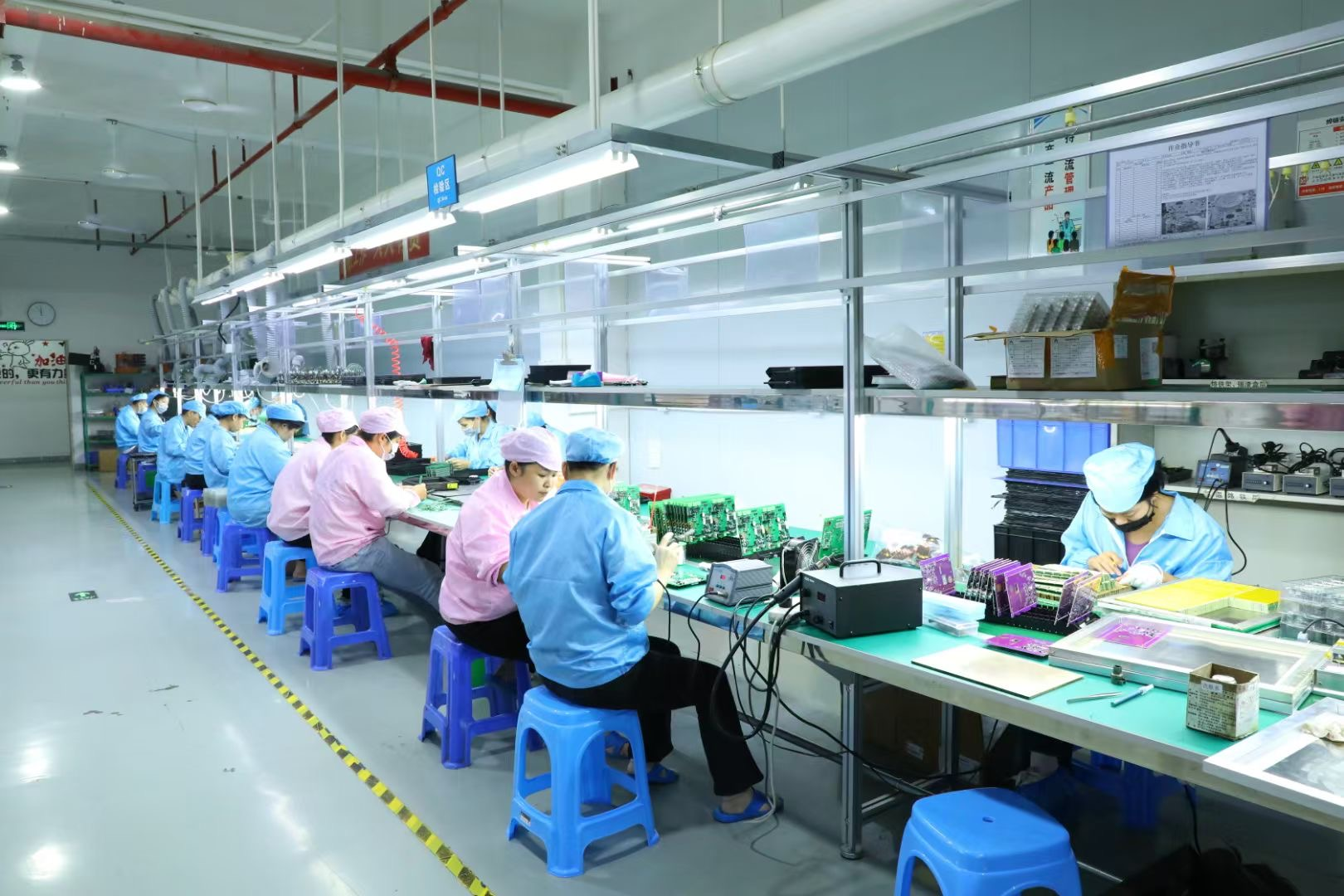
Complete Guide To PCB Types, Design, Manufacturing, And Applications
A Printed Circuit Board Is One Of The Most Important Components In Modern Electronics. From Smartphones And Industrial Controllers To Automotive Electronics And Medical Devices, nearly every electronic product depends on a reliable circuit board to connect and support its components.
A Printed Circuit Board, often called a PCB, Circuit Board, electronic circuit board, printed wiring board, or PCB board, provides the electrical pathways that allow electronic components to communicate and function together. For OEMs, product developers, engineers, and sourcing managers, understanding how a PCB works is essential when selecting the right board type, material, and manufacturing solution.
What Is A Printed Circuit Board
A Printed Circuit Board Is A Flat Board Made From An Insulating Base Material With Conductive Copper Traces Formed On The Surface Or Between Layers. These copper traces act as electrical routes that connect components such as resistors, capacitors, integrated circuits, connectors, and other electronic parts.
Instead Of Using loose wires for every connection, a PCB board organizes the circuit into a compact, efficient, and manufacturable layout. This makes electronic devices smaller, more stable, and easier to produce at scale.
A standard Pcb assembly may include:
- Base substrate
- Copper layers
- Solder mask
- Silkscreen legend
- Pads and vias
- Surface finish
Together, these features create a durable and reliable platform for electronic circuit design and component mounting.
How A Printed Circuit Board Works
A Printed Circuit Board Works By Directing Electrical Current Through Conductive Copper Traces Based On A Predefined Circuit Design. Once electronic components are mounted on the board, the PCB allows signals, power, and data to move between them in a controlled way.
In simple products, a single-layer circuit board may only distribute power and basic control signals. In more advanced systems, a multilayer PCB can handle high-speed data routing, impedance control, grounding structures, thermal management, and dense component placement.
Because of this, the performance of a Pcbs directly affects the quality, stability, and reliability of the final electronic product.
Main Types Of Printed Circuit Boards
Different products require different PCB structures and performance levels. The most common types of PCB include the following.
Single-Sided Printed Circuit Board
A Single-Sided PCB Has One Copper Layer On One Side Of The Substrate. It is widely used in simple and cost-sensitive products such as basic consumer electronics, LED boards, and low-complexity control devices.
Double-Sided Printed Circuit Board
A Double-Sided PCB Has Copper Layers On Both Sides Of The Board. This design provides more routing space and supports more complex circuits than a single-sided board.
Multilayer Printed Circuit Board
A Multilayer Printed Circuit Board Contains Multiple Conductive Layers Laminated Together. These boards are commonly used in computers, telecommunications equipment, automotive systems, industrial electronics, and medical technology.
Rigid PCB
A Rigid PCBs Uses A Solid Base Material Such As FR-4 And Maintains Its Shape During Use. This is the most common board type in mainstream electronics manufacturing.
Flexible PCB
A Flexible Printed Circuit Board Is Made From Bendable Materials That Allow The Board To Flex During Installation Or Operation. Flexible PCBs are often used in compact electronics, cameras, wearable devices, and medical equipment.
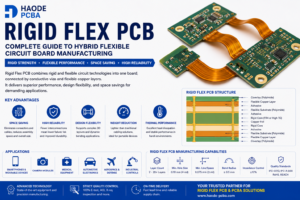
Rigid-Flex PCB
A Rigid-Flex PCB Combines Rigid Sections And Flexible Sections In One Circuit Board. This structure is ideal for products that need both durability and space-saving design flexibility.
Common Materials Used In Printed Circuit Boards
The material selection of a Printed Circuit Board has a major impact on performance, cost, and manufacturability. Some of the most common PCB materials include:
- FR-4 Material For Standard Electronics
- High TG PCB Material For Better Thermal Stability
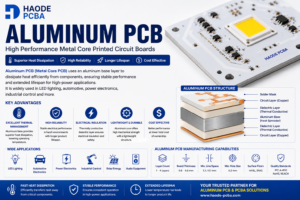
- Aluminum PCB For Heat Dissipation Applications
- Polyimide Material For Flexible Printed Circuits
- Ceramic PCB Material For Specialized High-Temperature Uses
The choice of substrate, copper thickness, dielectric properties, and laminate quality all influence how well the board performs in its target application.
Printed Circuit Board Design Process
The quality of a printed circuit board begins with strong design practices. The PCB design process typically starts with a schematic, followed by layout development using PCB design software.
Important design considerations include:
- Trace width and spacing
- Via structure
- Layer stackup
- Component placement
- Signal integrity
- Grounding strategy
- Thermal management
- Design for manufacturability
A well-designed electronic circuit board reduces production risk and improves assembly efficiency, electrical performance, and long-term product reliability.
Printed Circuit Board Manufacturing Process
The PCB manufacturing process transforms digital design files into finished bare boards ready for assembly.
The typical process includes:
Material Preparation
The substrate and copper-clad laminate are prepared according to the board stackup and thickness requirements.
Imaging And Etching
PCB Manufacturers Transfer The Circuit Pattern To The Copper Layer And Remove Excess Copper Using Chemical Etching.
Drilling And Plating
PCB Manufacturers Drill Holes For Vias And Through-Hole Components And Plate The Holes To Form Reliable Electrical Interconnections.
Solder Mask Application
PCB Manufacturers Apply A Solder Mask Over Copper Traces To Protect The Circuit And Prevent Solder Bridging During PCB Assembly.
Silkscreen Printing
PCB Manufacturers Print Component Labels, Polarity Indicators, And Reference Designators On The Circuit Board Surface.
Surface Finish
A final finish is applied to exposed copper pads. Common PCB surface finishes include:
- ENIG
- HASL
- OSP
- Immersion Tin
- Immersion Silver
Testing And Inspection
Finished boards undergo electrical testing and visual inspection to verify quality and functionality.
Printed Circuit Board Assembly
After bare board fabrication, the next stage is Printed Circuit Board Assembly, also known as PCBA. This process mounts electronic components onto the board and creates a functional circuit.
The two main assembly methods are:
Surface Mount Technology (SMT)
SMT PCB Assembly places components directly onto the surface of the board. This is the most common method in modern high-density electronics production.
Through-Hole Technology (THT)
Through-Hole PCB Assembly inserts component leads into drilled holes and solders them in place. This method is useful for connectors, transformers, heavy parts, and products requiring strong mechanical support.
Many electronic products combine SMT and through-hole assembly to meet both electrical and mechanical requirements.
Applications Of Printed Circuit Boards
A Printed Circuit Board Is Used In Nearly Every Electronics Industry. In The U.S. Market, demand remains strong across both consumer and industrial sectors.
Common applications include:
- Consumer Electronics
- Automotive Electronics
- Industrial Automation
- Medical Equipment
- LED Lighting
- Telecommunications Devices
- Aerospace Electronics
- Power Supplies
- Smart Home Products
- Computer And Networking Hardware
Because of this broad usage, custom printed circuit boards and PCB assembly services are essential for manufacturers developing new products and scaling production.
Why Printed Circuit Board Quality Matters
The quality of PCB directly affects the final product’s performance, durability, and manufacturing yield. Poor-quality boards may lead to:
- Signal loss
- Solderability problems
- Delamination
- Overheating
- Electrical shorts
- Reliability failures
High-quality PCB manufacturing focuses on tight process control, accurate layer registration, clean etching, reliable plating, and strict testing procedures. For product developers and OEM buyers, choosing a trusted PCB manufacturer helps reduce risk and improve product consistency.
How To Choose The Right Printed Circuit Board Supplier
When selecting PCB Manufacturer for the U.S. market, buyers should evaluate both technical capability and service reliability.
Key factors include:
- PCB fabrication capability
- Layer count support
- Material options
- Surface finish availability
- Prototype and mass production capacity
- Lead time and delivery performance
- PCB assembly services
- Quality control standards
- Engineering support
- Industry certifications
A strong supplier should be able to support PCB prototyping, low-volume production, and full-scale PCB manufacturing and assembly based on your project requirements.
Conclusion
A Printed Circuit Board Is The Core Platform That Makes Modern Electronics Possible. By providing both structural support and electrical connectivity, a PCB allows electronic components to work together in a compact, reliable, and scalable format.
From single-sided circuit boards to multilayer printed circuit boards, and from bare board fabrication to full PCBA services, PCB technology supports innovation across consumer, automotive, industrial, medical, and telecommunications markets.
For companies targeting the U.S. electronics market, understanding printed circuit board design, PCB manufacturing, board materials, assembly methods, and quality requirements is essential for building reliable products and choosing the right manufacturing partner.
FAQ
What Is A Printed Circuit Board
A Printed Circuit Board, Or PCB, Is A Board That Uses Copper Traces To Connect Electronic Components In A Compact And Reliable Layout.
What Are The Main Types Of Printed Circuit Boards
The Main Types Include Single-Sided PCB, Double-Sided PCB, Multilayer PCB, Rigid PCB, Flexible PCB, And Rigid-Flex PCB.
What Materials Are Used In Printed Circuit Boards
Common PCB Materials Include FR-4, High TG Laminates, Aluminum, Polyimide, And Ceramic, Depending On The Application Requirements.
What Is The Difference Between PCB Fabrication And PCB Assembly
PCB Fabrication Refers To Making The Bare Board, While PCB Assembly Means Mounting Electronic Components Onto The Board To Create A Functional Circuit.
Where Are Printed Circuit Boards Used
Electronics Manufacturers Use Printed Circuit Boards To Power Consumer Electronics, Automotive Systems, Industrial Equipment, Medical Devices, And Telecommunications Products.