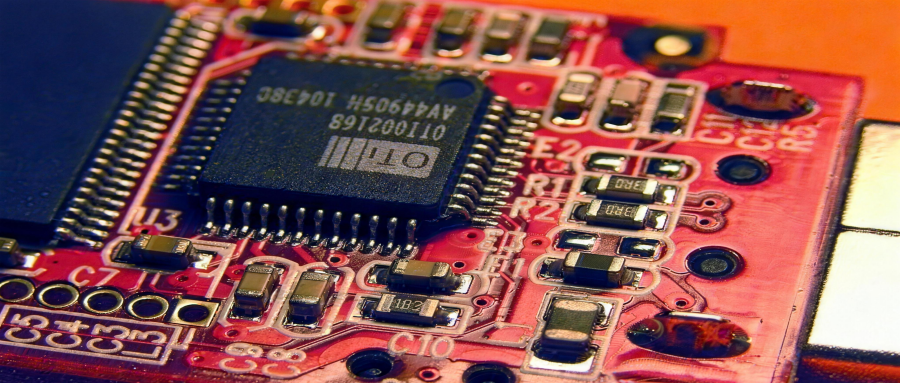
Complete Guide To Printed Circuit Boards In Modern Electronics
Electronic Devices Depend On Reliable Circuit Connections To Function Properly. Engineers And Manufacturers Use PCB Printed Circuit Boards To Connect Electronic Components, Control Electrical Signals, And Build Stable Electronic Systems. From Smartphones And Medical Devices To Automotive Electronics And Industrial Equipment, The Printed Circuit Board (PCB) Forms The Structural And Electrical Foundation Of Modern Electronics.
This Guide Explains What A PCB Printed Circuit Board Is, How Printed Circuit Boards Work, Different Types Of PCBs, PCB Manufacturing Processes, And PCB Assembly Technologies. The Article Also Includes Popular Industry Keywords Such As Circuit Board, Electronic Circuit Board, PCB Fabrication, PCB Manufacturing, And PCBA Assembly, Which Are Widely Used In The Global Electronics Industry.
What Is A PCB Printed Circuit Board?
A PCB Printed Circuit Board Is A Flat Board That Mechanically Supports And Electrically Connects Electronic Components Using Conductive Copper Traces, Pads, And Vias.
Engineers Design Printed Circuit Boards (PCBs) To Replace Traditional Point-To-Point Wiring. Instead Of Using Wires, The PCB Uses Precisely Etched Copper Pathways To Route Electrical Signals Between Components.
Common Names For PCB Include:
- Printed Circuit Board
- Circuit Board
- Electronic Circuit Board
- Printed Wiring Board (PWB)
- PCB Board
These Terms Are Frequently Used In PCB Design, PCB Fabrication, PCB Manufacturing, And PCB Assembly Industries.
How A Printed Circuit Board Works
A Printed Circuit Board Works By Creating Electrical Connections Through Conductive Copper Traces On An Insulating Substrate Material.
The Typical PCB Structure Includes:
| PCB Layer | Function |
|---|---|
| Substrate (FR-4 Or Other Material) | Provides Mechanical Strength |
| Copper Layer | Conducts Electrical Signals |
| Solder Mask | Protects Copper From Oxidation |
| Silkscreen | Displays Component Labels |
When Electronic Components Such As Resistors, Capacitors, IC Chips, And Connectors Are Mounted On The Board, Electrical Signals Travel Through The Copper Traces To Complete The Circuit.
This Structured Design Makes PCB Circuit Boards More Reliable, Compact, And Efficient Than Traditional Wiring Systems.
Main Types Of PCB Printed Circuit Boards
Different Electronic Applications Require Different PCB Types And Circuit Board Structures.
Single-Sided PCB
A Single-Sided PCB Contains Copper Traces On Only One Side Of The Board.
Features:
- Low Manufacturing Cost
- Simple Circuit Design
- Used In Basic Electronics
Common Applications:
- Power Supplies
- Consumer Electronics
- LED Lighting
Double-Sided PCB
A Double-Sided Printed Circuit Board Contains Copper Layers On Both Sides Of The Substrate.
Advantages:
- Higher Circuit Density
- More Routing Flexibility
- Suitable For Moderate Complexity Electronics
Applications:
- Industrial Controls
- Automotive Electronics
- Power Management Systems
Multilayer PCB
A Multilayer PCB Printed Circuit Board Contains Multiple Copper Layers Laminated Together.
Typical Layer Counts:
- 4 Layer PCB
- 6 Layer PCB
- 8 Layer PCB
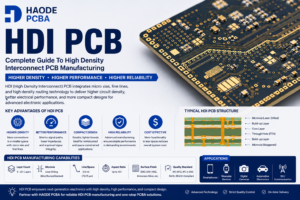
- 10+ Layer High Density PCB
Advantages:
- High Signal Integrity
- Compact Design
- Supports High-Speed Circuits
Applications:
- Telecommunications Equipment
- Computer Motherboards
- Aerospace Electronics
Flexible PCB (Flex PCB)
A Flexible Printed Circuit Board Uses Polyimide Materials That Allow The Board To Bend Or Fold.
Benefits:
- Lightweight Design
- Space Saving
- High Durability
Applications:
- Wearable Electronics
- Medical Devices
- Cameras And Smartphones
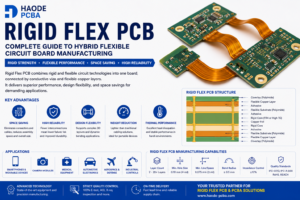
Rigid-Flex PCB
A Rigid-Flex PCB Combines Rigid Circuit Boards With Flexible Circuits.
Advantages:
- Reduced Connectors
- Improved Reliability
- Compact System Design
Applications:
- Aerospace Electronics
- Military Systems
- High-End Consumer Electronics
PCB Printed Circuit Board Manufacturing Process
The PCB Manufacturing Process, Also Called PCB Fabrication, Involves Several Precision Steps.
1. PCB Design And Layout
Engineers Use PCB Design Software Such As Altium Designer, KiCad, Or Eagle To Create The Circuit Layout.
The Design Includes:
- Component Placement
- Signal Routing
- Power Distribution
- Ground Planes
Design Files Are Exported As Gerber Files, Which Guide The Manufacturing Process.
2. PCB Fabrication
During PCB Fabrication, Manufacturers Create The Physical Circuit Board.
Key Steps Include:
- Copper Cladding
- Photoresist Imaging
- Chemical Etching
- Drilling Vias And Holes
- Plating Copper
- Applying Solder Mask
- Silkscreen Printing
This Process Produces The Bare Printed Circuit Board (Bare PCB).
3. PCB Assembly (PCBA)
After Fabrication, The Board Enters The PCB Assembly Process (PCBA).
Assembly Technologies Include:
| Assembly Method | Description |
|---|---|
| SMT (Surface Mount Technology) | Components Mounted Directly On PCB Surface |
| THT (Through-Hole Technology) | Components Inserted Through Holes |
| Mixed Assembly | Combination Of SMT And THT |
Machines Used In PCB Assembly Manufacturing Include:
- Pick And Place Machines
- Reflow Soldering Systems
- Wave Soldering Machines
- AOI Inspection Systems
- X-Ray Inspection Equipment
Advantages Of PCB Printed Circuit Boards
Printed Circuit Boards Offer Significant Advantages In Electronic Product Design.
Compact Electronic Design
PCBs Allow Engineers To Integrate Complex Circuits Into Small Devices.
High Reliability
The Fixed Copper Traces Reduce Wiring Errors And Improve Electrical Stability.
Mass Production Capability
PCB Manufacturing Enables High Volume Electronics Production With Consistent Quality.
Improved Signal Performance
Multilayer PCBs Provide Better Signal Integrity, EMI Control, And Power Distribution.
Common Applications Of PCB Circuit Boards
Today, PCB Printed Circuit Boards Are Used In Nearly Every Electronic Industry.
| Industry | PCB Application |
|---|---|
| Consumer Electronics | Smartphones, Laptops, TVs |
| Automotive | Engine Control Units, Sensors |
| Medical Equipment | Diagnostic Devices |
| Industrial Automation | Control Systems |
| Telecommunications | Network Equipment |
| Aerospace | Navigation Systems |
Because Of Their Reliability And Design Flexibility, Electronic Circuit Boards Remain Essential In Modern Technology.
Key Factors When Choosing A PCB Manufacturer
When Selecting A PCB Printed Circuit Board Manufacturer, Engineers Should Consider:
- PCB Manufacturing Capabilities
- Multilayer PCB Production
- Precision Drilling And Plating
- Advanced PCB Assembly Services
- Quality Certifications (ISO9001, UL, ISO13485)
- Rapid PCB Prototyping And Mass Production
A Reliable PCB Fabrication And Assembly Supplier Ensures High Quality Circuit Boards And Stable Electronics Performance.
Conclusion
A PCB Printed Circuit Board Is The Core Platform That Enables Modern Electronic Devices To Function Efficiently And Reliably. By Providing Structured Electrical Pathways For Components, PCBs Replace Complex Wiring And Allow Compact, High Performance Electronic Designs.
From Single-Sided Circuit Boards To High Density Multilayer PCBs, Printed Circuit Boards Support A Wide Range Of Industries Including Consumer Electronics, Automotive Systems, Telecommunications, And Industrial Equipment.
As Electronic Technology Continues To Evolve, Advanced PCB Manufacturing, PCB Assembly (PCBA), And High-Speed PCB Design Will Remain Essential For Developing The Next Generation Of Electronic Products.