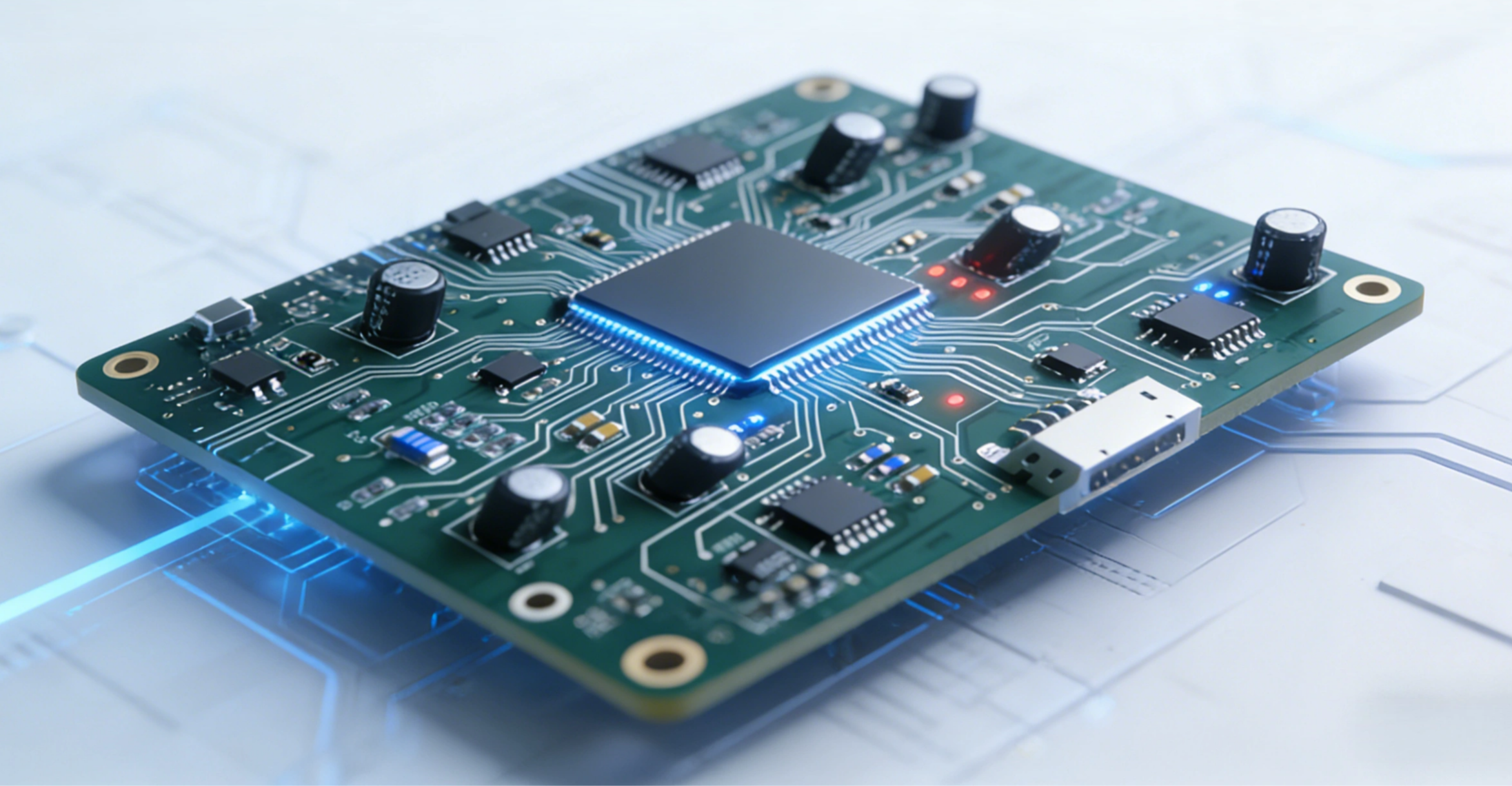
2026 is the breakthrough year for humanoid robots and intelligent automation — more startups and manufacturers are jumping into the robotics race than ever before. But countless great robot ideas never make it to mass production. Why? The #1 culprit is Robot PCBA — the “brain and nervous system” of every robotic product.
A stable, high-performance Robot PCBA makes your robot a best-seller; a flawed one dooms your project to delays, cost overruns, and total failure.
This guide breaks down the core logic of Robot PCBA success in 2026: must-have technical features, 8 deadly production traps to dodge, and scenario-specific selection tips. For startup founders and electronics engineers alike — these insights turn your robot vision into a market hit.
🧠 Why Robot PCBA Makes or Breaks Your Product
Unlike regular consumer electronics PCBs, Robot PCBA works in harsh environments — vibration, temperature swings, electromagnetic interference (EMI), 24/7 high-load operation. Its unique specs directly decide your product’s reliability and competitiveness:
- Industrial/Medical/Outdoor Robots: Need shock, dust, humidity resistance. Industrial-grade components, IPC Class 3 standards, and 3-proof coating are non-negotiable to avoid on-site failures.
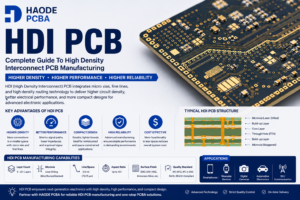
- Service Robots/Drones/Humanoids: Demand compact designs. HDI technology, 16–20 layer boards, 01005 ultra-mini components (0.4mm x 0.2mm) are 2026 standards for tight spaces.
- Anti-Interference & Signal Integrity: Robots mix motors, sensors, communication modules. PCBs need strict EMC/EMI certification, optimized grounding, and impedance control to stop signal crosstalk.
- 24/7 Thermal Management: High-power motor drivers generate massive heat. Heavy copper layers, thermal vias, and custom heat dissipation keep temperatures stable long-term.
⚠️ 8 Deadly Traps (80% of Startups Fail Here)
Turning prototype PCBA into mass production is full of pitfalls. 2026 industry data shows these 8 mistakes cause 80% of robot project failures:
- Prioritizing performance over manufacturability: Overly complex layouts crash SMT lines → low yields, delayed launches.
- Chasing new components without supply checks: Cutting-edge chips often face shortages → project halts.
- Single-supplier dependency: No backup parts = disaster when supply chains break.
- Underestimating hidden costs: NRE fees, test fixtures, rework can double your budget.
- Skipping design for testability (DFT): No test points → defective products slip through, ruining your brand.
- Chaotic version management: Unrecorded design changes → production mix-ups, cost spikes.
- Poor manufacturer communication: Sending only Gerber files hides flaws until mass production (costly fixes!).
- Ignoring harsh-environment reliability: Skipping vibration/temperature tests → high real-world failure rates.
🚀 2026 Hot Tech for High-Performance Robot PCBA
Stay ahead in the robotics market with these game-changing PCBA technologies:
- AI-Powered Inspection: AI AOI + 3D vision cuts defects by 35–60%, with sub-10-micron placement accuracy for tiny parts.
- Cobot Assembly: Dual-arm cobots (e.g., ABB YuMi) assemble PCBs 2x faster — perfect for low-volume, high-mix production.
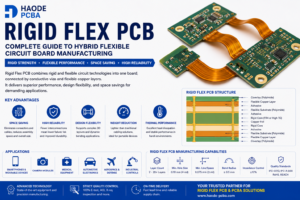
- Rigid-Flex PCBs: Bend 200,000+ cycles without breaking — ideal for robotic arms and compact designs.
- Vacuum Reflow Soldering: Reduces solder voids to <5% for critical components → reliable performance in high vibration.
- Predictive Maintenance: Embedded algorithms monitor PCBA in real time → preempt failures, minimize downtime.
📌 Robot PCBA Requirements by Type (Quick Guide)
| Robot Type | Core Requirements | Key Technologies |
|---|---|---|
| Industrial (Welding/Handling) | Heavy load resistance, IP67 protection | 2oz heavy copper, EMI shielding, IPC Class 3 |
| Service (Home/Office) | Miniaturization, low power | HDI multi-layer boards, energy-efficient components |
| Medical (Surgical/Navigation) | Zero defects, EMC compliance | 16–20 layer HDI, vacuum soldering, ISO 13485 |
| 3C Electronic (Assembly/Testing) | High precision, fast response | SCARA-compatible PCBs, 0.4mm pitch BGA support |
✅ How to Avoid Traps & Build a Best-Selling Robot PCBA
Success = manufacturing thinking first. Follow these actionable steps:
- Involve manufacturers early: DFM/DFT reviews before prototyping optimize layouts, components, and test points → higher yields.
- Build a resilient supply chain: Secure 1+ certified alternative for critical parts; partner with manufacturers with direct OEM channels.
- Full-process QC: Combine SPI, AOI, X-Ray, and FCT testing → first-pass yield ≥92%.
- Follow industry standards: Comply with NMPA/MDR (medical) or IP67/IP69K (industrial) — compliance = market access.
💬 Interactive Question
Ever faced Robot PCBA headaches — low yields, supply shortages, EMI failures — during prototyping or mass production? Share your experience in the comments, and we’ll help you troubleshoot!
For export quotations, bulk orders, or project cooperation, Get in Touch with our sales team.
Email: inquiry@devecomponents.com
WhatsApp: +86-15767857371