What Is PCB Prototype?
Definition Of PCB Prototype
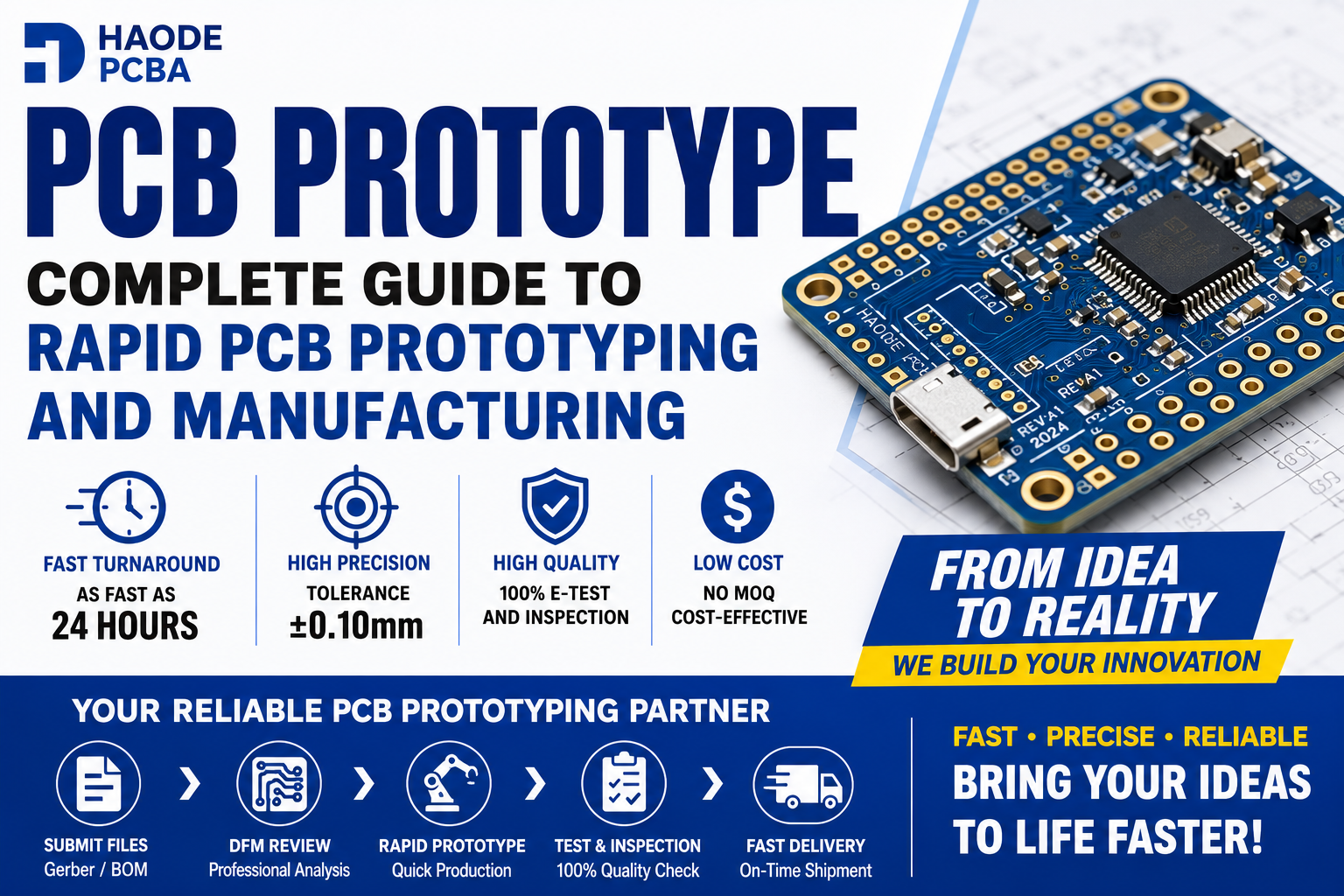
A PCB Prototype is an initial version of a printed circuit board manufactured for testing, validation, and design improvement before full-scale production. It allows engineers to verify electrical performance, mechanical design, and product functionality before moving into mass manufacturing.
Unlike mass production PCBs, prototype boards focus on:
- Fast development
- Design verification
- Functional testing
- Engineering improvements
A reliable PCB Prototype Manufacturer helps customers transform electronic concepts into production-ready circuit boards.
Why PCB Prototype Is Important For Electronic Product Development
Reducing Product Development Risks
Before launching a new electronic product, engineers need to verify:
- Circuit performance
- Component compatibility
- Signal quality
- Mechanical dimensions
PCB prototyping helps identify potential issues early.
This reduces:
- Development costs
- Production risks
- Engineering changes during mass production
Faster Product Launch Cycles
Modern electronics require shorter development cycles.
A fast PCB prototype process allows companies to:
- Test new designs quickly
- Improve products faster
- Enter markets earlier
For startups and R&D teams, rapid prototype manufacturing provides an efficient way to validate new ideas.
PCB Prototype Manufacturing Process
PCB Design And Engineering Review
The PCB prototype process starts with engineering analysis.
Manufacturers review:
- Gerber files
- PCB layout
- BOM files
- Assembly requirements
- Manufacturing limitations
A professional engineering review helps prevent:
- Design errors
- Manufacturing problems
- Unnecessary production costs
For customers requiring complete production support, a professional PCB Manufacturing Service can provide engineering assistance from prototype to volume manufacturing.
PCB Material Selection
Material selection directly affects PCB performance.
Common prototype PCB materials include:
- FR4
- High Tg FR4
- Flexible Materials
- High Frequency Materials
For advanced communication products, engineers may select High Frequency PCB materials to improve signal integrity and reduce transmission loss.
Prototype PCB Fabrication
PCB fabrication includes:
- Inner layer processing
- Lamination
- Drilling
- Copper plating
- Surface finishing
Prototype manufacturing requires the same attention to quality as production boards.
Important factors include:
- Layer accuracy
- Copper thickness
- Electrical performance
Prototype PCB Assembly
After fabrication, electronic components are assembled onto the PCB.
Prototype assembly includes:
- Component placement
- SMT assembly
- Through-hole assembly
- Inspection
- Testing
Professional PCB Assembly services help customers evaluate complete product functionality before mass production.
Types Of PCB Prototype
Single Layer PCB Prototype
Single-layer prototypes are suitable for:
- Simple circuits
- Basic electronic products
- Low-cost designs
Applications include:
- Simple controllers
- LED products
- Basic sensors
Multilayer PCB Prototype
Complex electronic products often require multilayer prototypes.
A Multilayer PCB prototype provides:
- More routing space
- Better signal performance
- Higher circuit density
Applications include:
- Communication equipment
- Medical electronics
- Industrial systems
HDI PCB Prototype
For compact electronic products, engineers often use HDI prototype technology.
HDI PCB prototypes provide:
- Microvia structures
- Fine line routing
- Higher component density
Applications include:
- Mobile devices
- Wearable electronics
- Advanced control systems
Quick Turn PCB Prototype
What Is Quick Turn PCB?
Quick Turn PCB refers to accelerated prototype manufacturing that reduces production time from design submission to finished boards.
Typical quick-turn services include:
- Fast engineering review
- Rapid fabrication
- Short assembly cycles
- Quick testing
Benefits Of Quick Turn PCB Manufacturing
Advantages include:
- Faster product validation
- Reduced development time
- Lower engineering risk
- Faster market launch
Quick turn PCB is especially valuable for:
- New product development
- Engineering testing
- Small batch production
PCB Prototype Cost Factors
PCB Design Complexity
Prototype cost depends on:
- Layer count
- Board size
- Circuit complexity
- Material selection
Simple boards usually have lower prototype costs, while advanced designs require more manufacturing processes.
PCB Material Selection
Different materials influence prototype pricing.
Examples:
- Standard FR4
- High Tg materials
- Flexible materials
- High-frequency laminates
High-performance materials usually increase manufacturing costs.
Prototype Quantity
Prototype pricing depends on production volume.
Common stages include:
- 1-10 pieces for engineering testing
- Small batch production
- Mass manufacturing
Starting with prototypes allows companies to optimize designs before large investments.
PCB Prototype Design Considerations
Design For Manufacturing (DFM)
DFM analysis ensures PCB designs can be manufactured efficiently.
Engineers review:
- Trace width
- Spacing
- Via design
- Component placement
A professional DFM process improves:
- Manufacturing yield
- Reliability
- Cost control
Signal Integrity Design
High-speed prototype designs require careful signal management.
Important factors include:
- Controlled impedance
- Layer stackup
- Material selection
For RF and microwave applications, prototype designs may require technologies such as RF PCB solutions.
Flexible Prototype Design
Some products require flexible circuit structures.
Applications include:
- Wearable devices
- Medical products
- Compact electronics
For these products, Rigid Flex PCB technology can combine mechanical flexibility with reliable circuit performance.
PCB Prototype Applications
Consumer Electronics
PCB prototypes are widely used for:
- Smart devices
- IoT products
- Wearable electronics
They allow engineers to test:
- Product functions
- User experience
- Hardware performance
Automotive Electronics
Automotive companies use PCB prototypes for:
- Control systems
- Sensors
- Battery electronics
Prototype validation is important because automotive products require high reliability.
Medical Devices
Medical electronics require strict testing before production.
PCB prototypes help verify:
- Electrical safety
- Product performance
- Reliability
Industrial Electronics
Industrial manufacturers use prototypes for:
- Automation systems
- Control equipment
- Power electronics
PCB Prototype Quality Control
Electrical Testing
Prototype PCBs should undergo electrical testing to verify:
- Circuit connections
- Signal performance
- Power functionality
Visual Inspection
Inspection methods include:
- AOI inspection
- Microscopic inspection
- Assembly checking
Industry Standards
Professional PCB manufacturers follow recognized industry standards.
IPC provides widely used guidelines for PCB fabrication and electronic assembly quality.
Following industry standards helps ensure prototype reliability before mass production.
How To Choose A PCB Prototype Manufacturer
Manufacturing Capability
A reliable prototype supplier should provide:
- Fast PCB fabrication
- Prototype assembly
- Engineering support
- Small batch production
- Mass production capability
One Stop PCB Manufacturing Solution
Working with one supplier for prototype and production provides advantages:
- Easier communication
- Consistent quality
- Faster production transition
Haode PCBA provides integrated PCBA manufacturing and assembly services from prototype development to mass production.
Engineering Support
Professional support should include:
- DFM review
- Material recommendations
- Cost optimization
- Production planning
Why Choose Haode PCBA For PCB Prototype Manufacturing?
Haode PCBA provides professional PCBA Prototype Manufacturing And PCBA Assembly Services for global customers.
Our capabilities include:
- Rapid PCB prototyping
- Prototype PCBA assembly
- Multilayer PCB production
- HDI PCB manufacturing
- High-frequency PCB solutions
- SMT assembly
- Component sourcing
- Low volume production
- Mass manufacturing
From initial design verification to final production, Haode PCBA helps customers develop reliable electronic products efficiently.
Frequently Asked Questions About PCB Prototype
How Long Does PCB Prototype Manufacturing Take?
PCB prototype turnaround time depends on:
- Board complexity
- Layer count
- Material availability
- Assembly requirements
Quick-turn services can significantly reduce development time.
How Much Does A PCB Prototype Cost?
PCB prototype cost depends on:
- PCB size
- Layer count
- Quantity
- Materials
- Assembly requirements
Why Should Companies Make PCB Prototypes Before Mass Production?
PCB prototypes help companies:
- Identify design issues
- Test product performance
- Reduce production risks
- Improve final products
Conclusion
PCB Prototype manufacturing is an essential step for developing reliable electronic products.
By testing and improving circuit designs before mass production, companies can reduce risks, control costs, and accelerate product launches.
Choosing an experienced PCB Prototype Manufacturer with fabrication, assembly, and engineering capabilities ensures a smoother transition from prototype development to successful production.