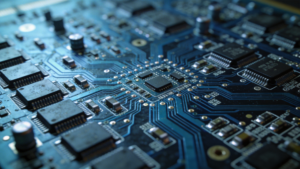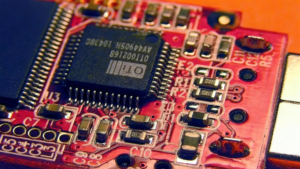
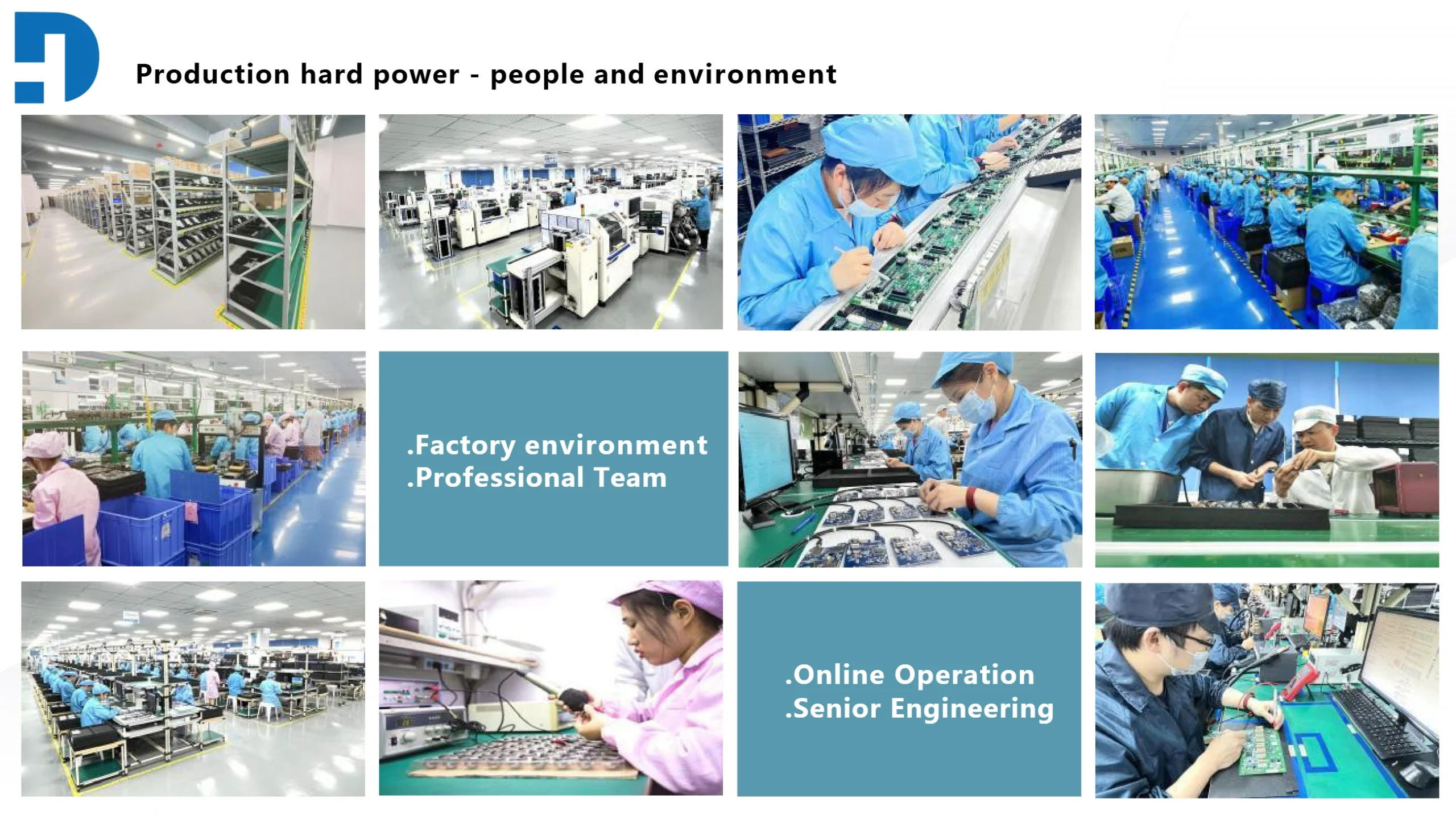
PCBA (Printed Circuit Board Assembly) refers to the complete process of mounting electronic components onto a bare printed circuit board (PCB) to create a fully functional electronic assembly. While a PCB alone is just a non-functional board with copper traces, a PCB assembly becomes electrically operational after components are soldered and tested.
In modern electronics manufacturing, PCBA is the critical bridge between circuit design and real-world product performance. Industries such as consumer electronics, automotive systems, medical devices, and industrial automation all rely heavily on high-quality assembled circuit boards.
PCB vs PCBA: Understanding the Key Difference
Many buyers in the US market confuse PCB with PCBA. Here is the simple distinction:
PCB (Printed Circuit Board)
- Bare board without components
- Provides electrical pathways
- Not functional by itself
- Focuses on layout and fabrication
PCBA (Printed Circuit Board Assembly)
- PCB populated with electronic components
- Fully functional electronic module
- Includes soldering and testing
- Ready for product integration
👉 In short: PCB is the foundation; PCBA is the finished working board.
How the PCBA Process Works
A professional electronics assembly process typically follows several tightly controlled stages.
1. Solder Paste Printing
The process begins by applying solder paste onto PCB pads using a precision stencil printer. This step ensures accurate solder volume for reliable joints.
Why it matters:
- Controls solder joint quality
- Prevents bridging and insufficient solder
- Supports high-yield SMT assembly
2. SMT Component Placement
Surface Mount Technology (SMT) machines automatically place components onto the pasted PCB at high speed and high accuracy.
Common SMT components include:
- IC chips
- Resistors
- Capacitors
- QFNs and BGAs
SMT dominates modern circuit board assembly because it enables miniaturization and mass production.
3. Reflow Soldering
The populated board passes through a reflow oven where solder paste melts and forms metallurgical bonds between components and pads.
Key benefits:
- Strong electrical connectivity
- Consistent joint formation
- High repeatability
4. Through-Hole Assembly (If Required)
For components requiring stronger mechanical support—such as connectors or transformers—manufacturers perform through-hole technology (THT) using wave soldering or selective soldering.
Mixed-technology PCB population often completes SMT first, followed by through-hole processes to protect sensitive components.
5. Inspection and Quality Control
Quality assurance is essential in PCBA manufacturing. Typical inspection methods include:
- AOI (Automated Optical Inspection)
- X-ray inspection for BGAs
- In-circuit testing (ICT)
- Functional testing (FCT)
These steps ensure the assembled PCB meets reliability standards expected in the US market.
Key Materials Used in PCBA
High-reliability electronic board assembly depends on material quality.
PCB Substrate
Common materials:
- FR-4 (most widely used)
- Aluminum PCB
- Rogers high-frequency material
Electronic Components
Typical component categories:
- Passive components
- Integrated circuits
- Connectors
- Power devices
Component sourcing quality directly affects long-term field performance.
Solder Materials
Most US-market products now use lead-free solder (RoHS compliant) to meet environmental regulations.
Where PCBA Is Used
Printed circuit board assemblies power nearly every modern electronic product.
Consumer Electronics
- Smartphones
- Smart home devices
- Wearables
- Computers
Automotive Electronics
- ADAS systems
- Engine control units
- Infotainment modules
- Battery management systems
Medical Devices
High-reliability medical PCBA is used in:
- Patient monitoring equipment
- Diagnostic imaging
- Portable medical devices
Industrial & IoT Equipment
- Industrial controllers
- Sensors
- Communication modules
- Power supplies
How to Choose a Reliable PCBA Manufacturer
For US buyers, selecting the right PCB assembly service provider is critical.
Manufacturing Capabilities
Look for:
- Advanced SMT lines
- BGA and fine-pitch capability
- Mixed-technology support
- Low- to high-volume flexibility
Quality Certifications
Important certifications include:
- ISO 9001
- ISO 13485 (medical)
- IATF 16949 (automotive)
- UL and RoHS compliance
Supply Chain Strength
A strong partner should offer:
- Component sourcing
- DFM review
- Quick-turn prototyping
- Stable lead times
Common PCBA Quality Risks to Avoid
Even experienced buyers sometimes overlook these risks:
- Poor stencil design
- Inadequate thermal profiling
- Counterfeit components
- Insufficient testing coverage
- Weak DFM analysis
Working with an experienced turnkey PCBA provider significantly reduces these risks.
Internal Link Structure (Recommended for Your Site)
To maximize SEO authority and crawl depth, use this internal linking layout:
Main Article:
- What Is PCBA (current page)
Recommended internal links:
- → PCB Assembly Process Guide
- → Turnkey PCBA Services
- → SMT vs Through-Hole Assembly
- → Medical PCBA Manufacturing
- → PCB Fabrication vs Assembly
Anchor text suggestions (US SEO friendly):
- printed circuit board assembly services
- turnkey PCBA solutions
- SMT assembly process
- reliable PCB manufacturer
- electronics manufacturing services
Final Thoughts
Understanding what PCBA is helps engineers, buyers, and product developers make smarter manufacturing decisions. A professionally managed printed circuit board assembly process ensures strong solder integrity, stable electrical performance, and long-term product reliability.
For companies targeting the US market, partnering with an experienced PCBA manufacturer with robust quality control, advanced equipment, and a transparent supply chain is the key to faster time-to-market and reduced field failures.