The PCB Assembly Process (PCBA) is a critical stage in electronic manufacturing, transforming a bare printed circuit board into a fully functional electronic unit. By combining a PCB with electronic components through precise assembly and soldering techniques, PCBA ensures both electrical performance and mechanical reliability.
What Is PCBA (Printed Circuit Board Assembly)?
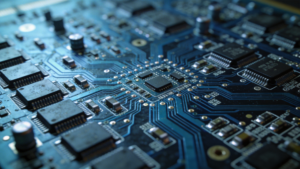
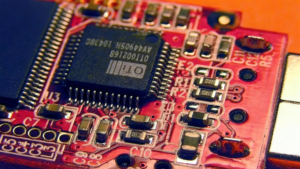
PCBA refers to a completed printed circuit board with all required electronic components assembled and soldered in place. A PCB alone cannot operate independently, whereas a PCBA delivers full electrical functionality and integrates directly into electronic products.
PCBA can also describe the entire assembly process, including component placement, soldering, inspection, and testing.
Common PCBA Assembly Types
PCBA configurations vary depending on product complexity and design requirements:
- Single-sided SMT assembly
- Double-sided SMT assembly
- Mixed SMT and Through-Hole assembly
Single- and double-sided SMT assemblies are commonly used in power supplies and communication backplanes, while mixed assemblies are typically applied in more complex products such as computers, industrial controllers, and consumer electronics.
Surface Mount Technology (SMT) Assembly Process
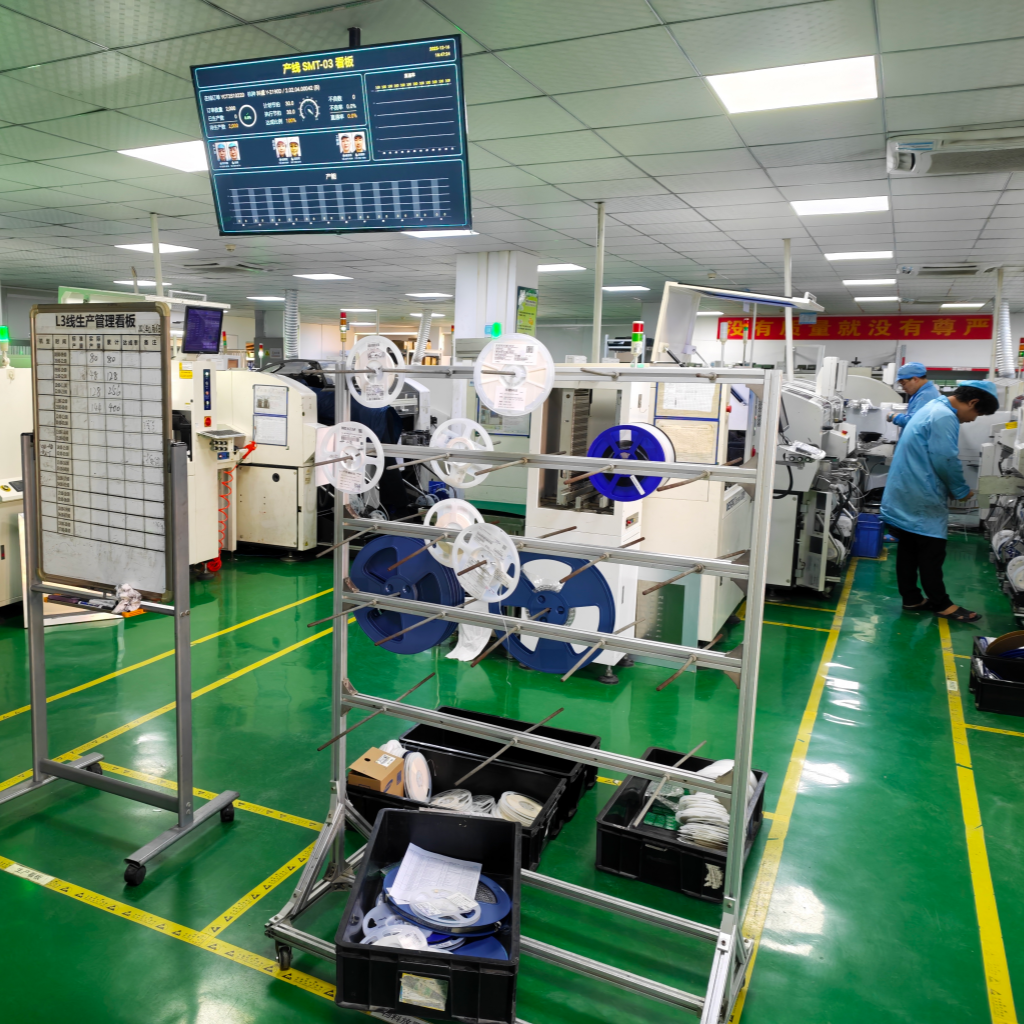
SMT (Surface Mount Technology) is the most widely used PCBA method today, enabling high-density, high-speed, and automated assembly.
Key SMT Assembly Steps
1. Solder Paste Printing
A stencil printer prints solder paste with high precision onto PCB pads. This step determines solder joint quality and directly affects yield rate.
2. Component Placement
Automated pick-and-place machines mount surface-mount devices (SMDs) onto the PCB with high precision.
- High-speed mounters handle small passive components
- General-purpose mounters place ICs and complex packages
3. Reflow Soldering
The PCB passes through a reflow oven where controlled heating melts the solder paste, forming reliable electrical and mechanical connections. Common heating methods include infrared and hot-air convection.
4. Inspection and Quality Control
AOI (Automated Optical Inspection) and X-ray inspection ensure correct placement and solder integrity.
Wave Soldering Process (Through-Hole Assembly)
Wave soldering is mainly used for through-hole components, providing strong mechanical bonds suitable for high-stress or high-current applications.
Workflow
- Component lead forming and preparation
- Manual or automated component insertion
- Flux spraying and preheating
- Wave soldering
- Cooling and inspection
Molten solder forms a wave that contacts PCB pads and component leads, creating consistent solder joints across the board.
Basics of Soldering in PCBA Manufacturing
Soldering is a form of soft brazing, typically performed at temperatures below 450°C. It ensures electrical conductivity and mechanical stability.
Key Principles of Soft Brazing
- Flux removes oxidation and contamination
- Molten solder wets and spreads across metal surfaces
- As the solder cools and solidifies, metallurgical bonding gradually forms, creating a stable and reliable electrical as well as mechanical connection between the solder and the base metal.
The quality of solder joints directly impacts product reliability, lifespan, and performance.
Why the PCBA Process Matters
A well-controlled PCB assembly process ensures:
- Stable electrical performance
- Long-term reliability
- Consistent production quality
- Reduced failure rates and rework costs
Every step—from solder paste printing to final inspection—plays a crucial role in delivering dependable electronic assemblies.
Final Thoughts
Professionals in electronics manufacturing rely on a deep understanding of the PCB assembly process to ensure production success. By applying SMT, wave soldering, or hybrid assembly techniques, manufacturers convert PCB designs into operational electronic systems. A well-controlled PCBA process drives production efficiency, ensures product reliability, and supports long-term performance in demanding environments.
Therefore, for OEMs and product developers who prioritize consistent quality and scalable production, partnering with an experienced PCBA manufacturer such as PCBCart can not only enhance overall manufacturing reliability, but also streamline production workflows, reduce operational risks, and ultimately accelerate time to market.